Experiences explained
Journeys into the soul of Hong Kong. Each experience is crafted to reveal the city through stories, people, and moments you won’t find in guidebooks.
Begin here
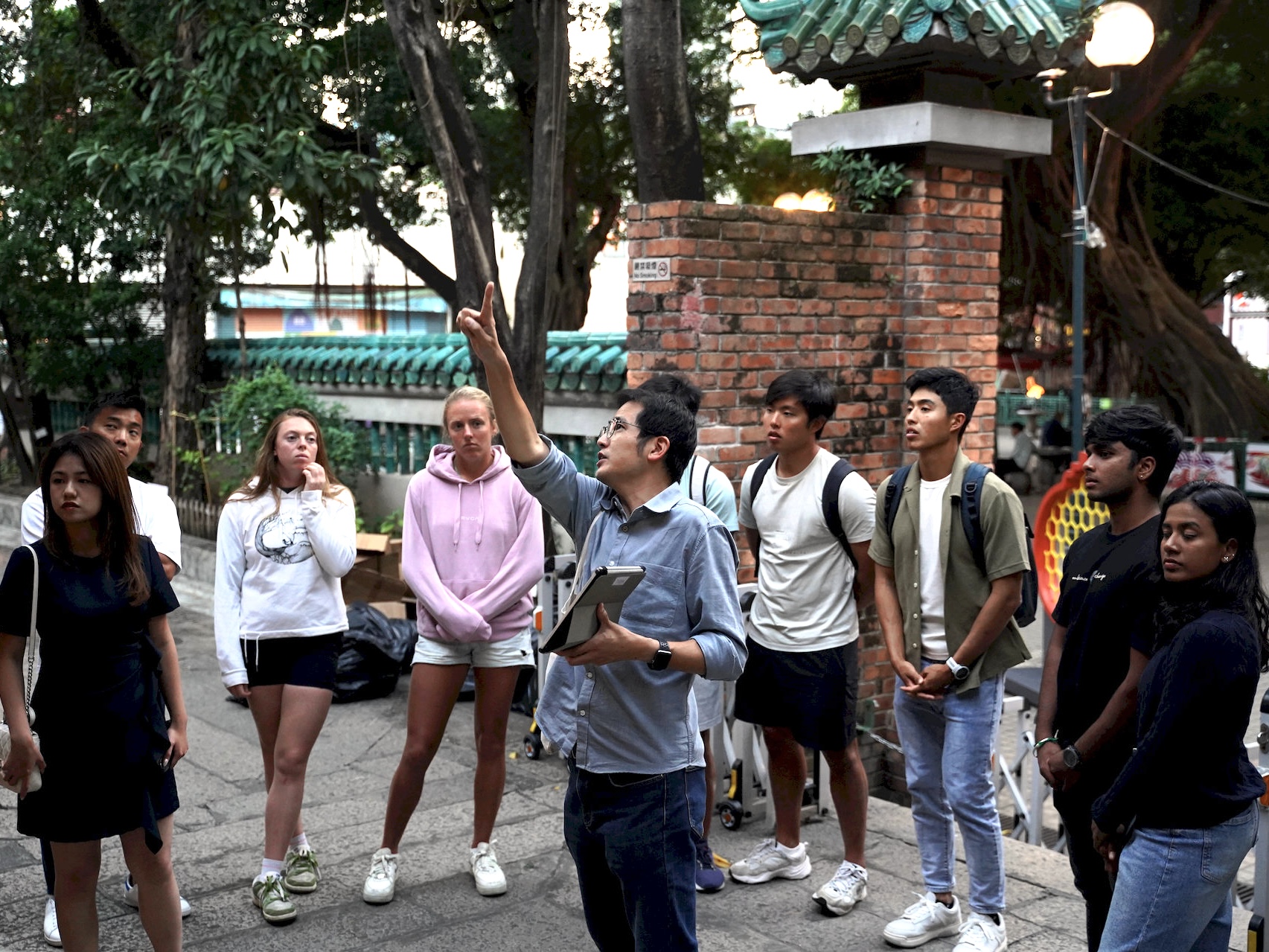
Walk the streets where history whispers and everyday life unfolds. Uncover hidden stories behind familiar landmarks and forgotten corners.
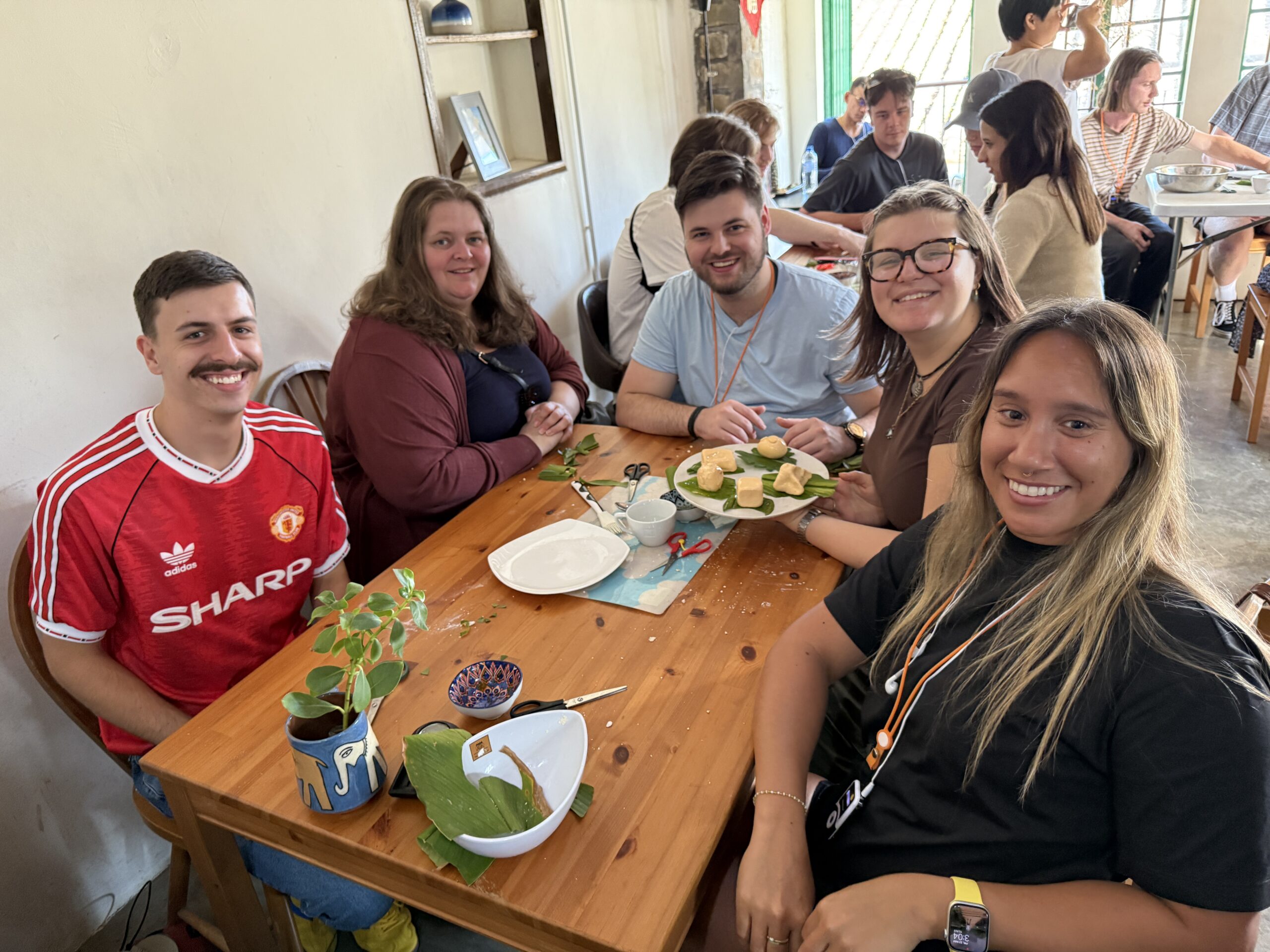
Create, taste, listen, and learn: hands-on cultural encounters that invite you to experience Hong Kong with all your senses.
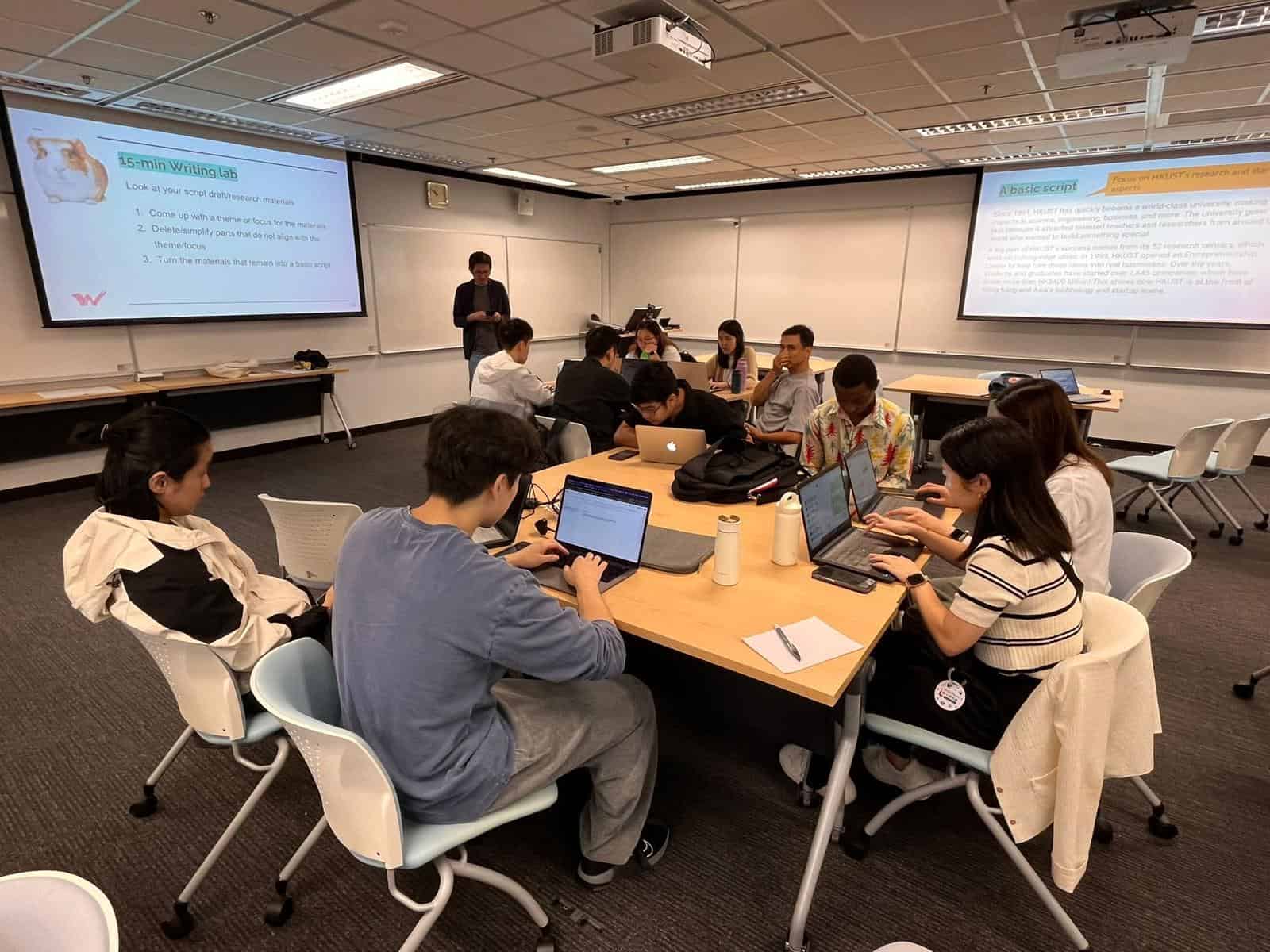
Sharpen your storytelling and communication skills through immersive, experience-led learning rooted in the city itself.
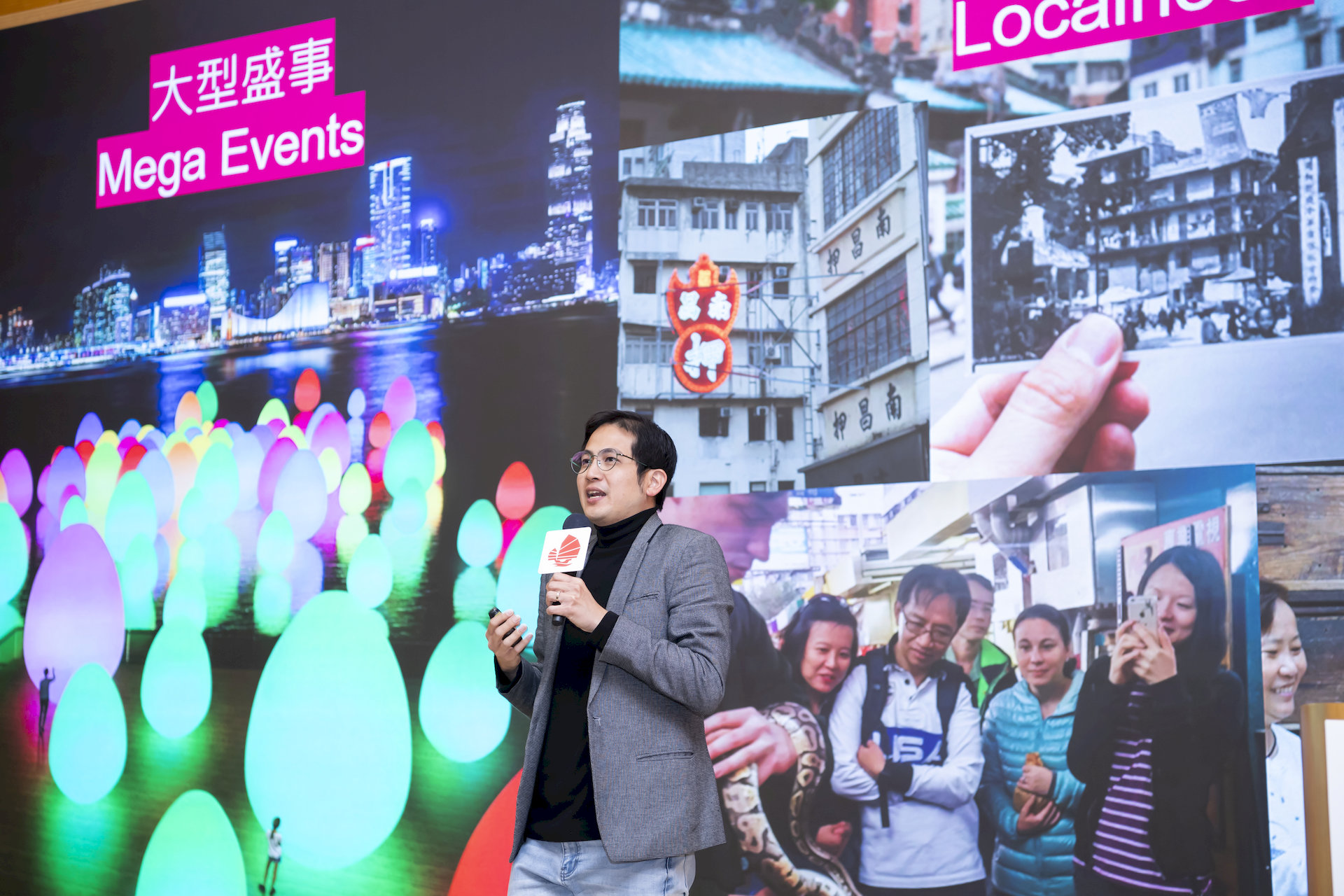
Stories that provoke thought, challenge assumptions, and deepen your understanding of Hong Kong’s layered identity.
We also do custom tours. Have something specific in mind? You dream it, we create it. Get in touch.
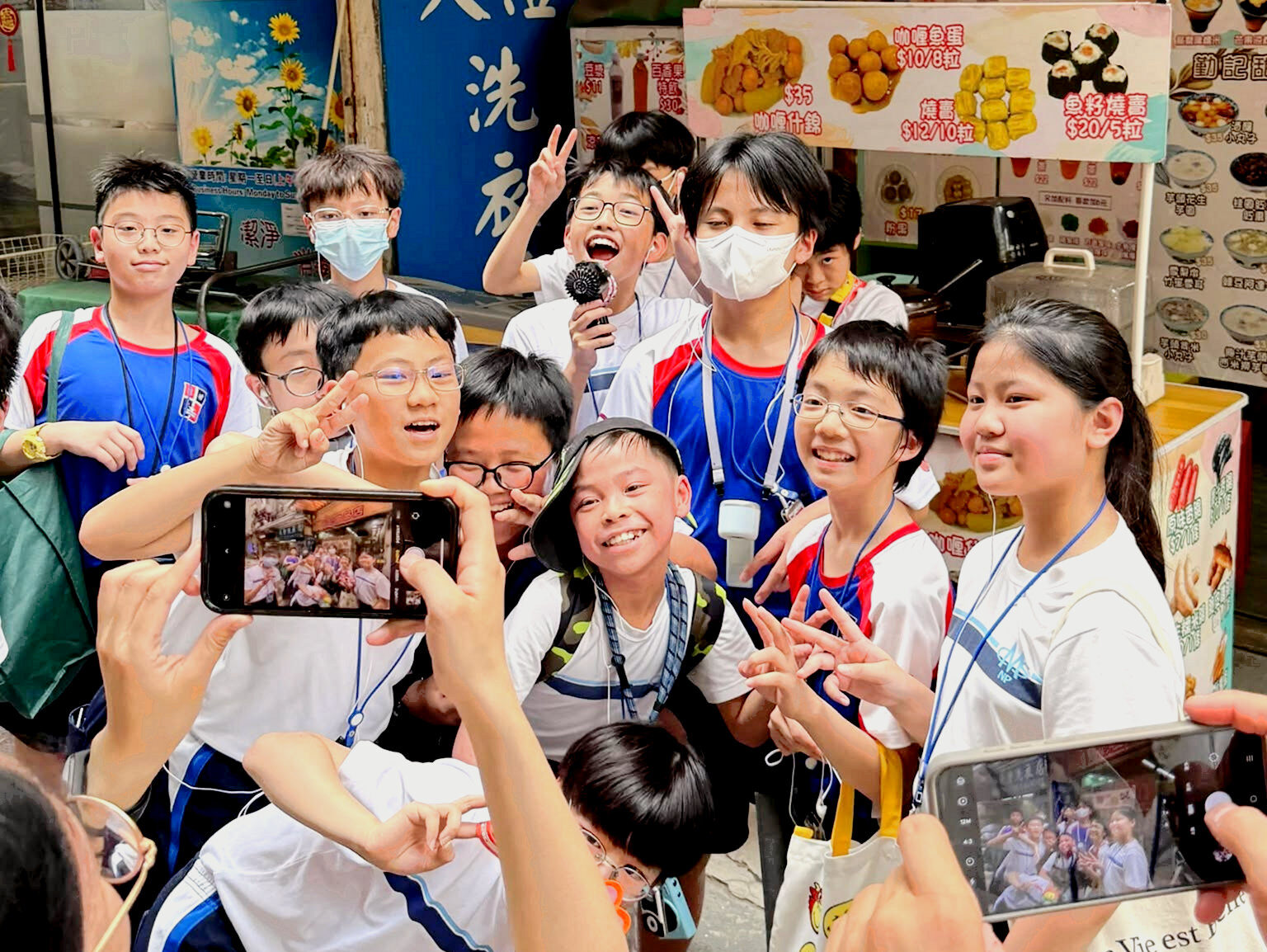
We turn Hong Kong into a living classroom, where syllabus meets streets, and theory meets lived reality.
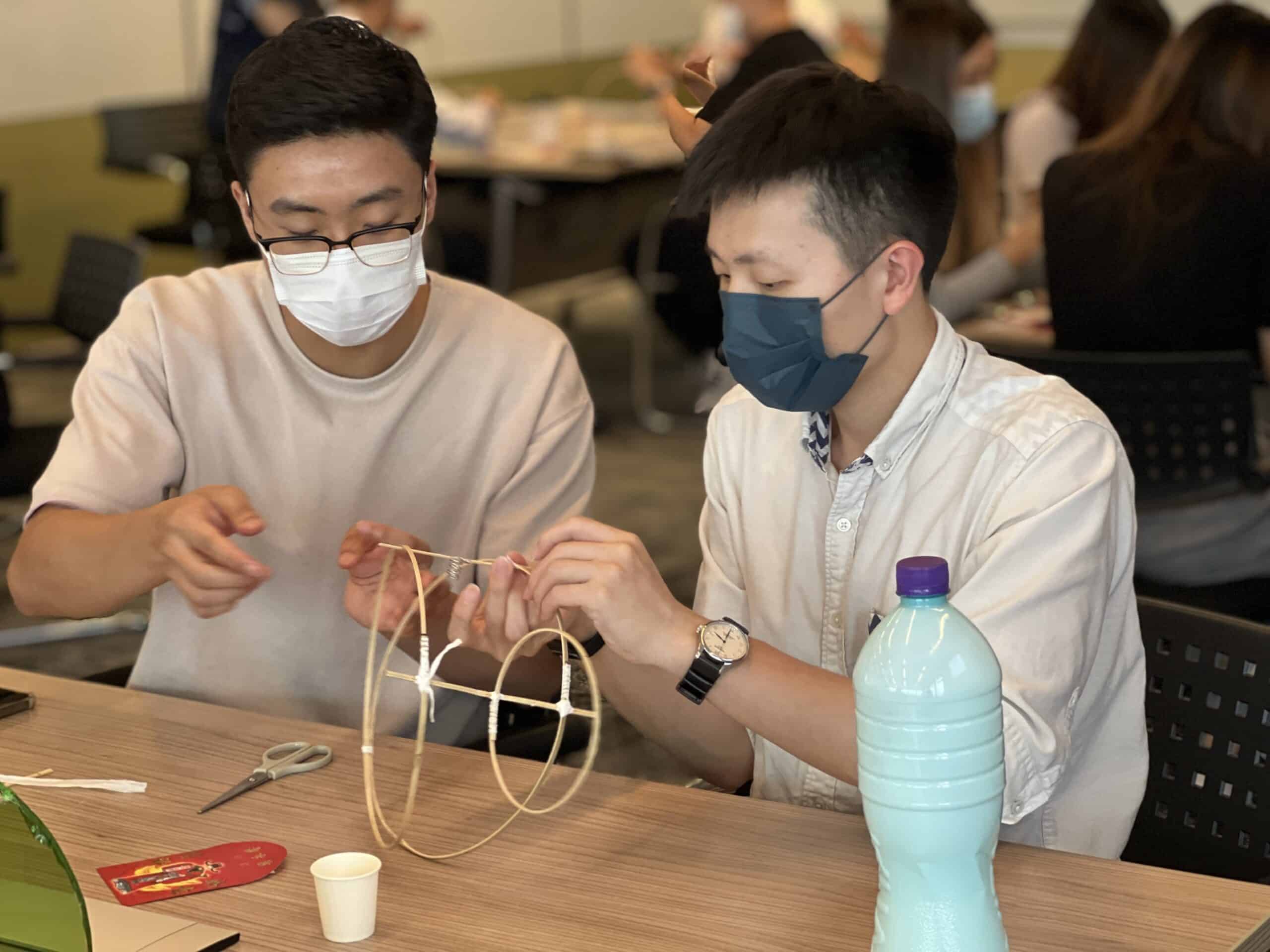
Explore beyond the textbook. Explore Intangible Cultural Heritage (ICH), field study, and integrated tour-workshops designed for hands-on, active discovery.
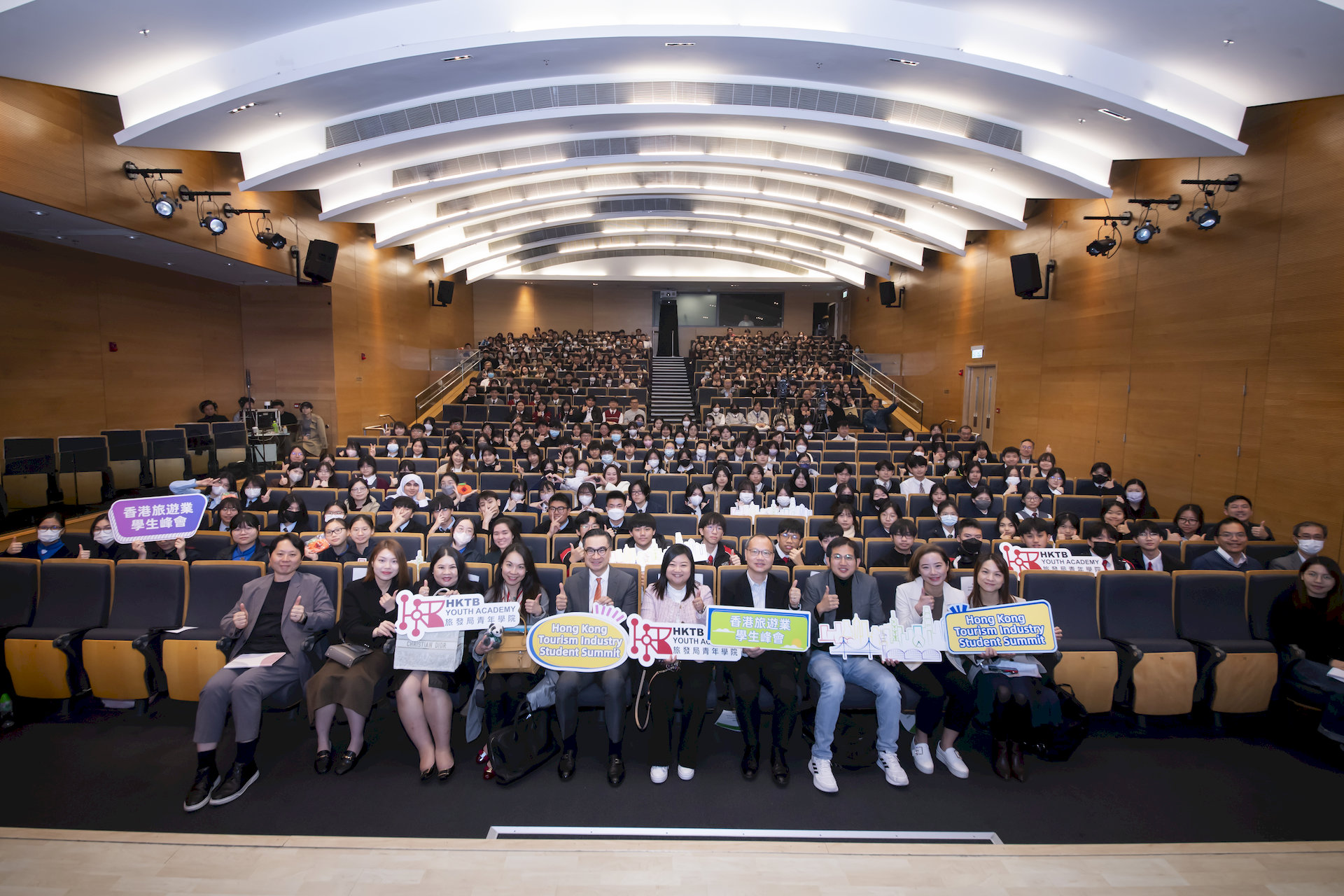
Inquiry in action. Students interpret sources, debate perspectives, conduct their own interviews, and build their own narratives.
From knowledge to voice. We train students to communicate ideas with clarity, confidence, and purpose.
We also do custom tours. Have something specific in mind? You dream it, we create it. Get in touch.
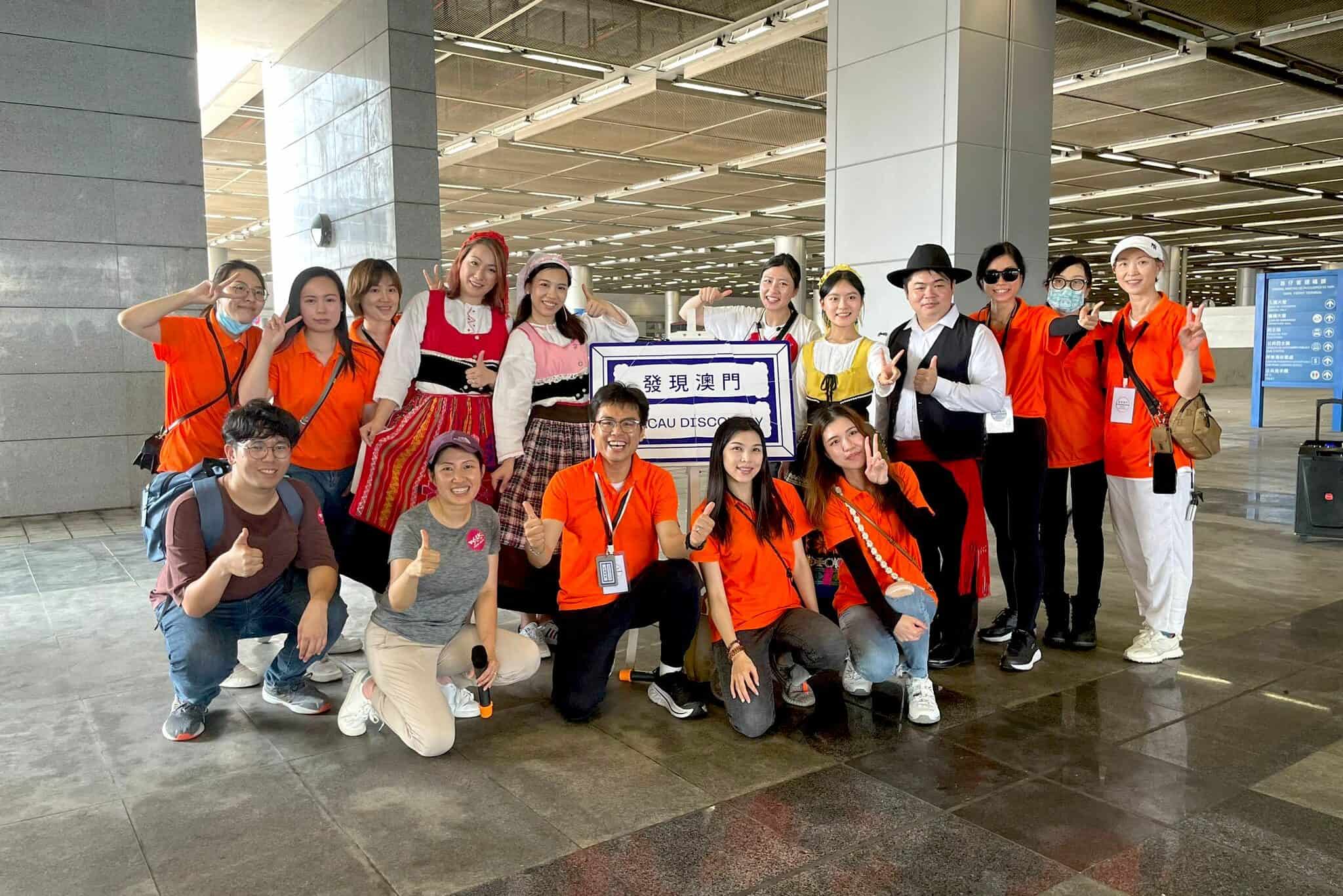
Step beyond boardrooms. Our curated community journeys invite your team to see, listen, and engage with the social fabric of Hong Kong.
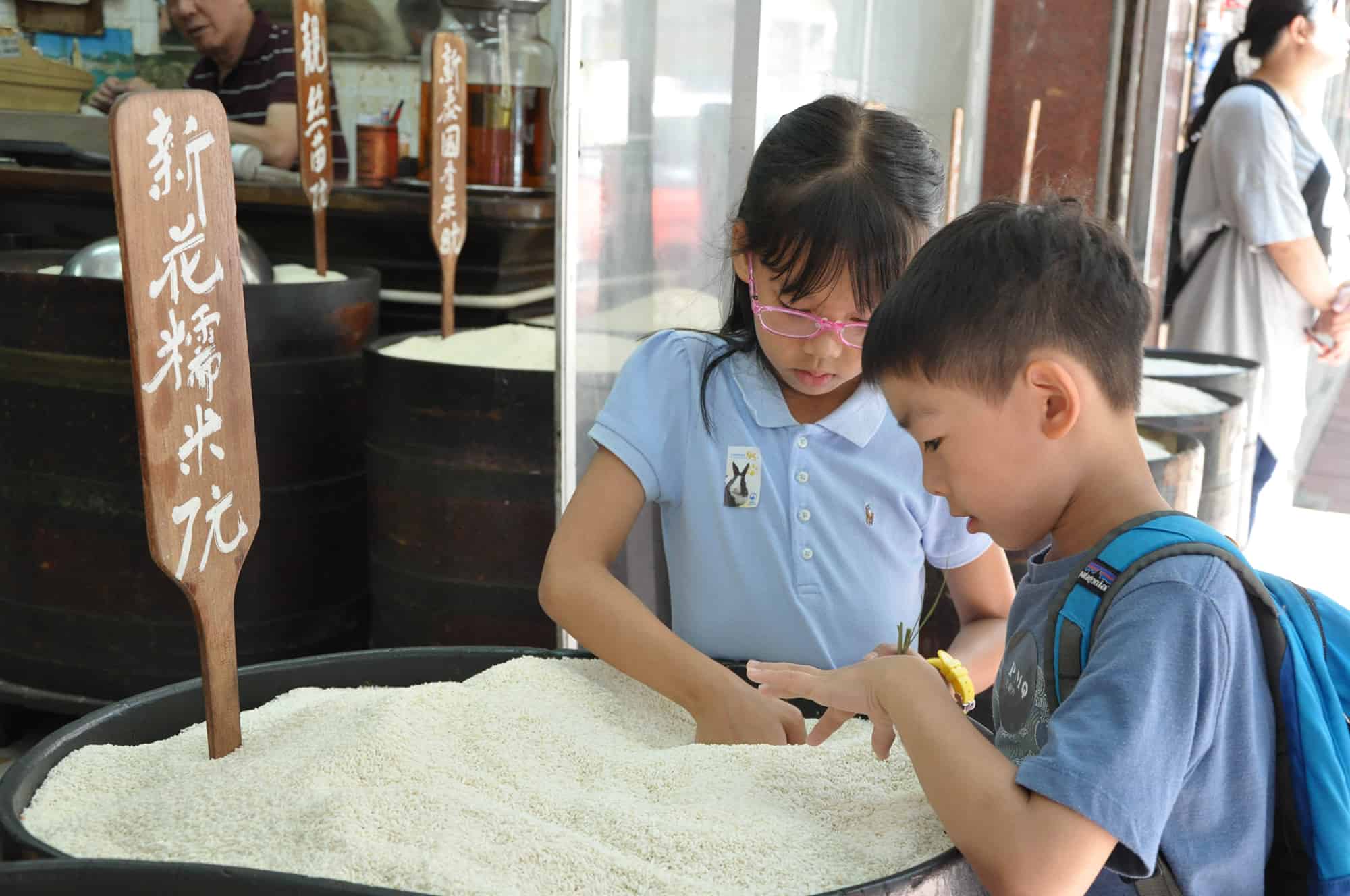
From awareness to action. Interactive workshops that spark empathy, strengthen dialogue, and turn shared values into collective impact.
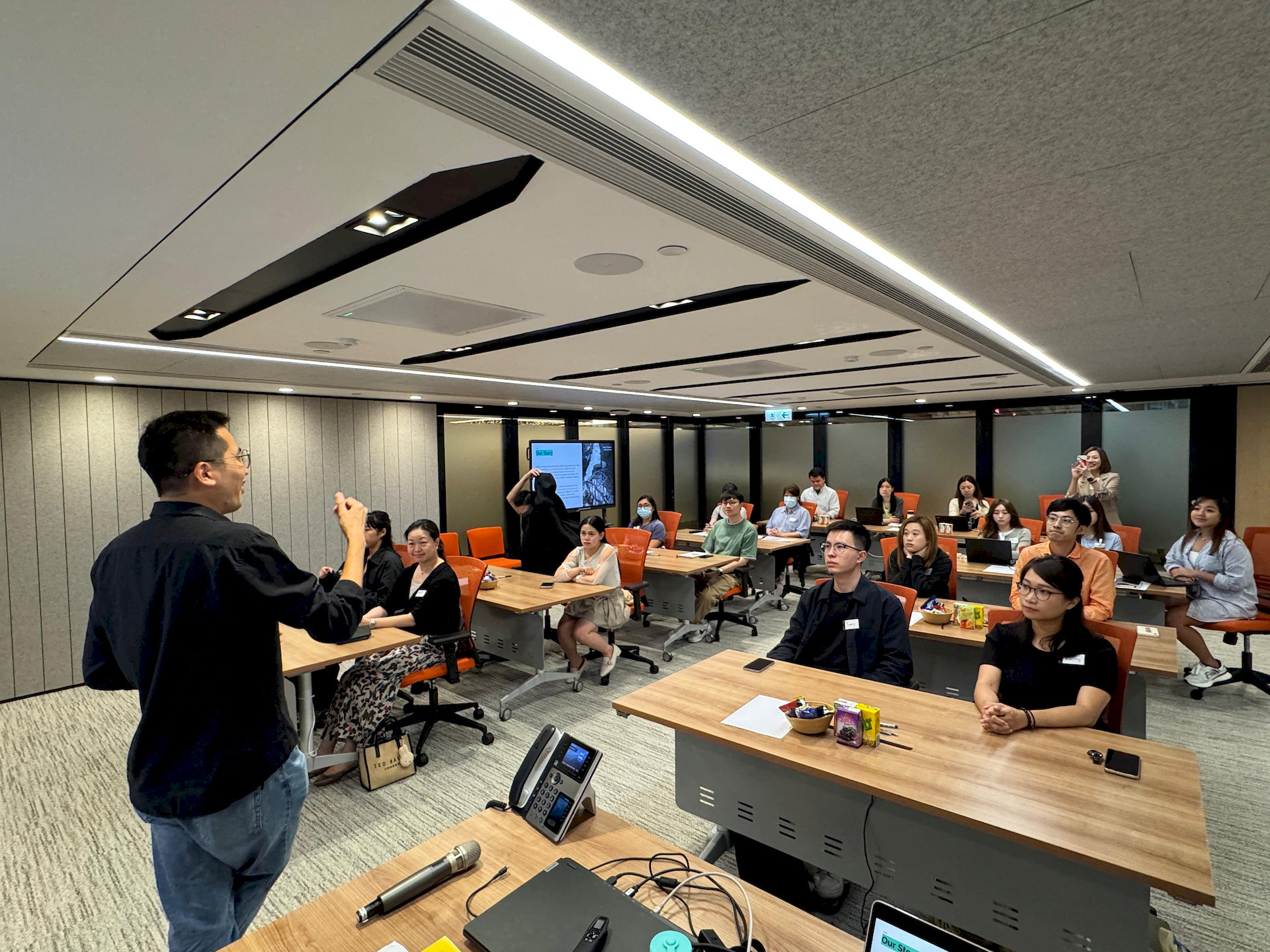
Lead with purpose. Experiential training that builds conscious communicators, socially aware leaders, and teams ready to create change.
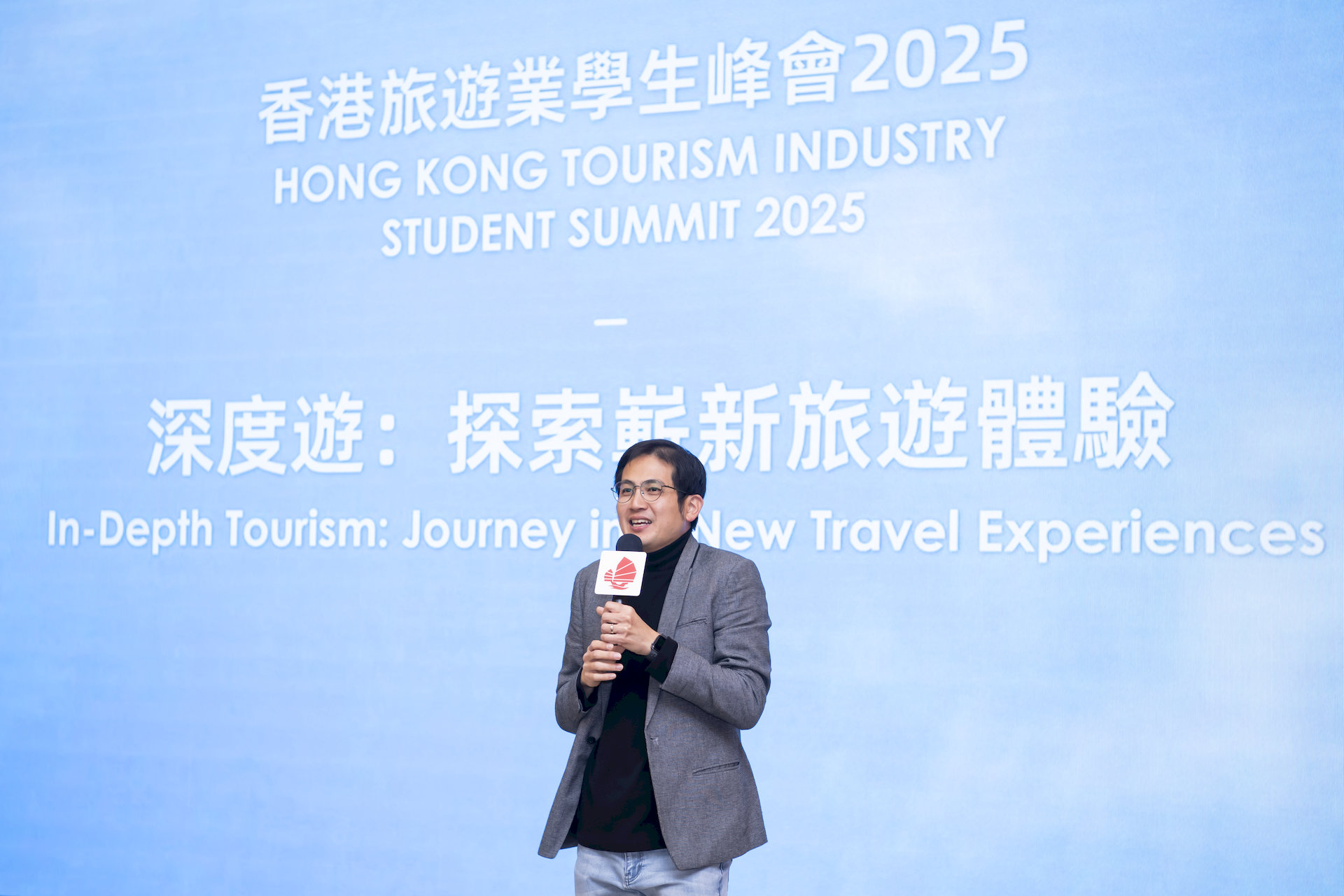
Stories that move people. Thought-provoking talks that bridge business, humanity, and the future we want to build together.
We also do custom tours. Have something specific in mind? You dream it, we create it. Get in touch.
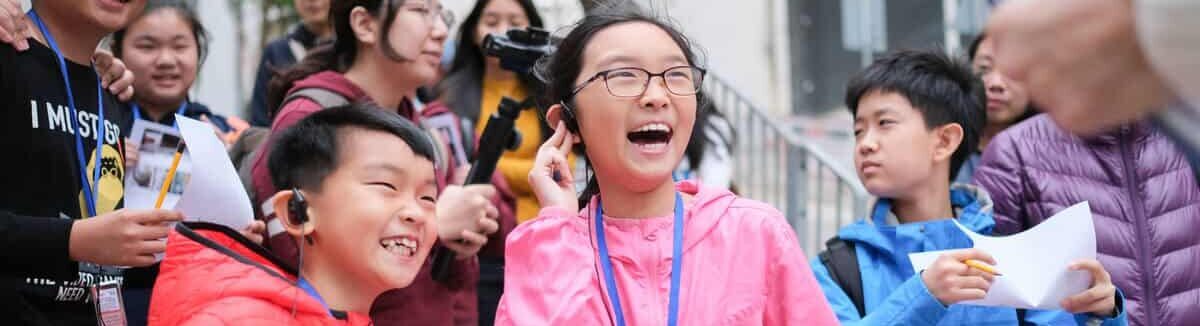
Learn how we support schools through experiential learning, fieldwork, and culturally grounded programmes.
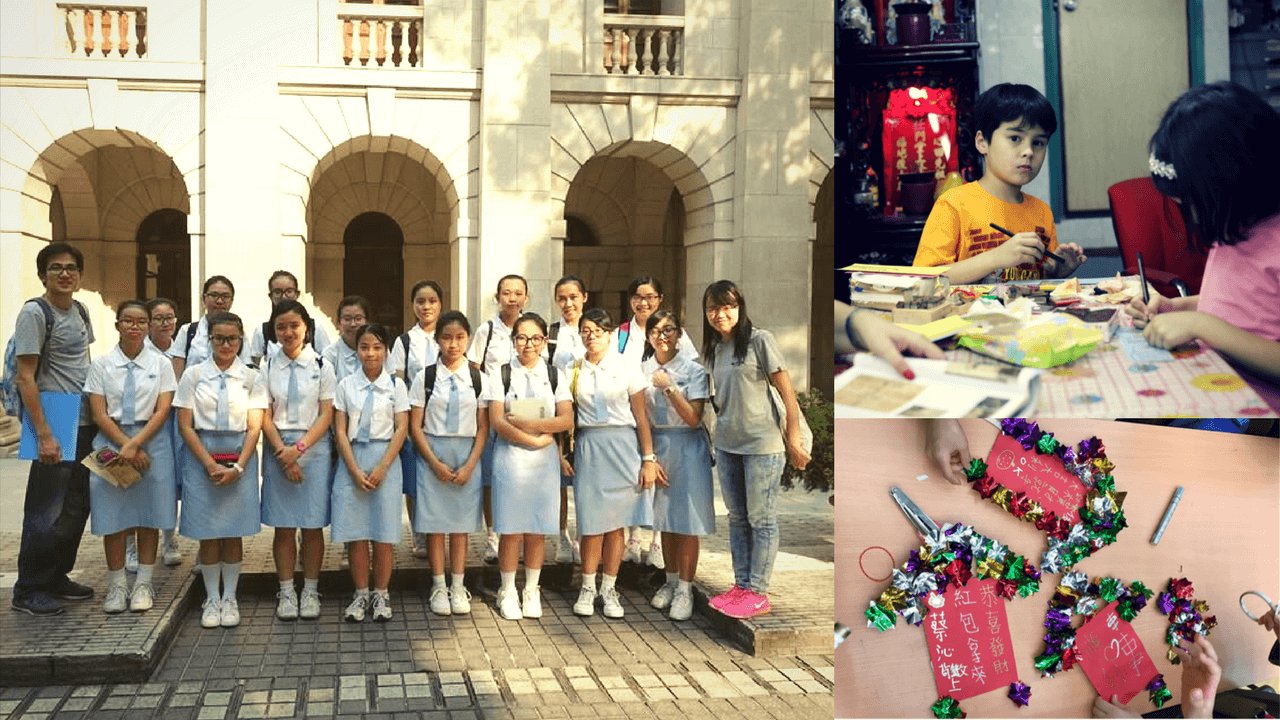
A showcase of student-centred projects bringing Hong Kong’s history and urban spaces to life.
Partner with us to create meaningful cultural experiences, education programmes, and community projects.
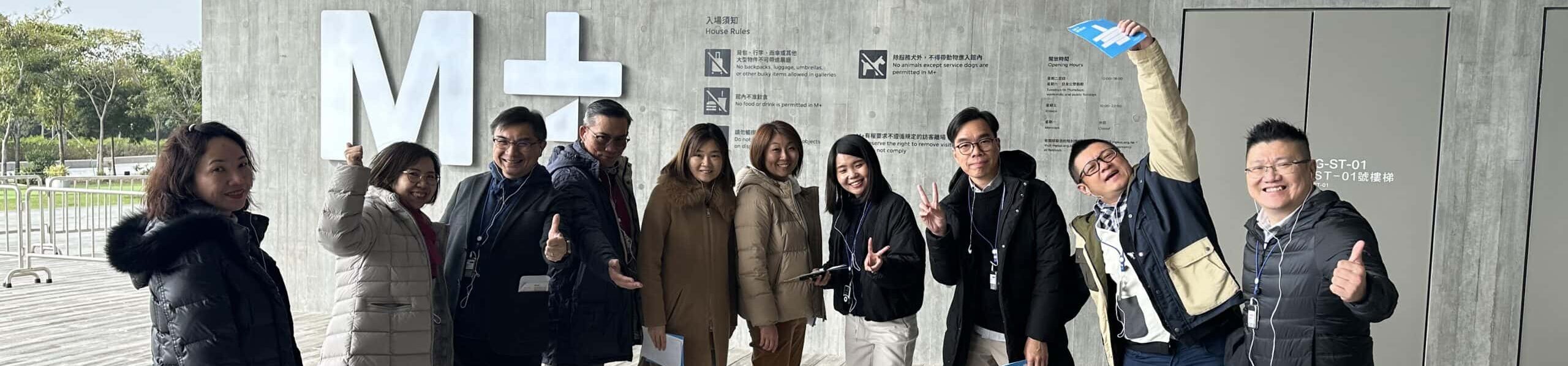
Elevate your brand, drive social impact, and transform teams with our story-driven corporate programs.
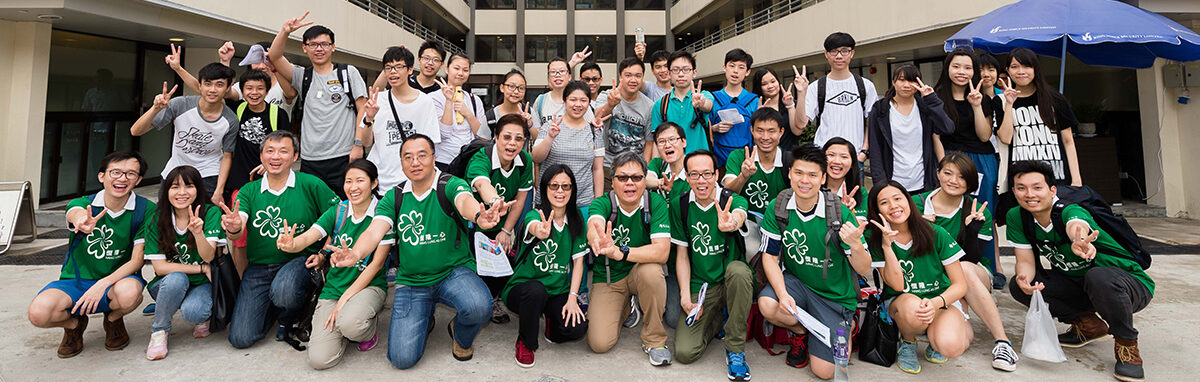
Case studies of bespoke corporate collaborations bringing Hong Kong’s stories to life through innovative programmes.
Partner with us to create meaningful cultural experiences, education programmes, and community projects.
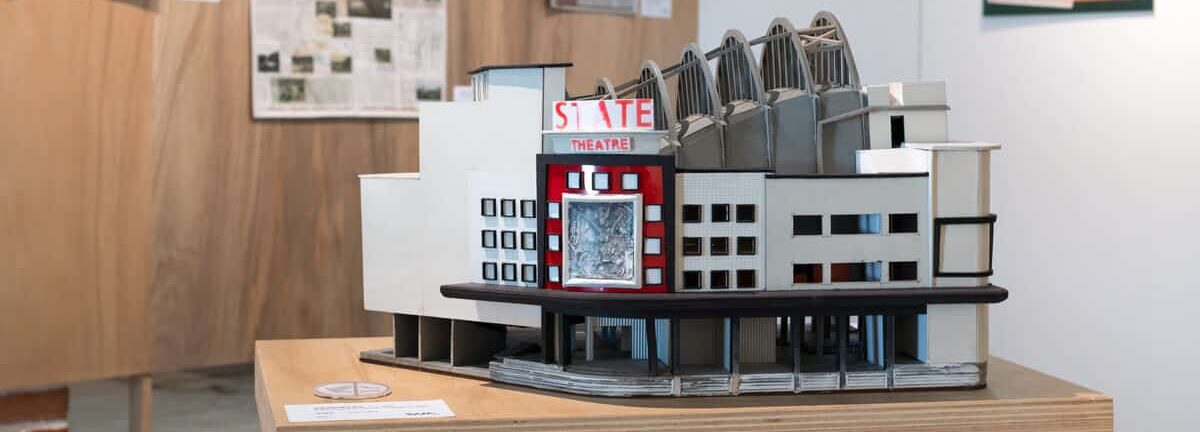
Projects rooted in local collaboration, public engagement, and community-led storytelling.
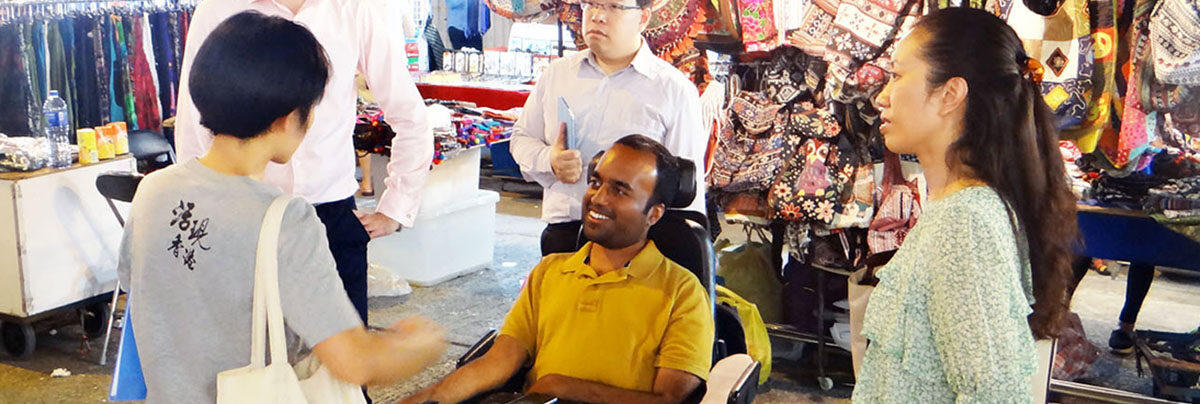
See how we collaborate with local partners through storytelling, place-making, and cultural participation.
Partner with us to create meaningful cultural experiences, education programmes, and community projects.
 繁
繁


Walk the streets where history whispers and everyday life unfolds. Uncover hidden stories behind familiar landmarks and forgotten corners.
Create, taste, listen, and learn: hands-on cultural encounters that invite you to experience Hong Kong with all your senses.
Sharpen your storytelling and communication skills through immersive, experience-led learning rooted in the city itself.
Stories that provoke thought, challenge assumptions, and deepen your understanding of Hong Kong’s layered identity.
We also do custom tours. Have something specific in mind? You dream it, we create it. Get in touch.
We turn Hong Kong into a living classroom, where syllabus meets streets, and theory meets lived reality.
Explore beyond the textbook. Explore Intangible Cultural Heritage (ICH), field study, and integrated tour-workshops designed for hands-on, active discovery.
Inquiry in action. Students interpret sources, debate perspectives, conduct their own interviews, and build their own narratives.
From knowledge to voice. We train students to communicate ideas with clarity, confidence, and purpose.
We also do custom tours. Have something specific in mind? You dream it, we create it. Get in touch.
Step beyond boardrooms. Our curated community journeys invite your team to see, listen, and engage with the social fabric of Hong Kong.
From awareness to action. Interactive workshops that spark empathy, strengthen dialogue, and turn shared values into collective impact.
Lead with purpose. Experiential training that builds conscious communicators, socially aware leaders, and teams ready to create change.
Stories that move people. Thought-provoking talks that bridge business, humanity, and the future we want to build together.
We also do custom tours. Have something specific in mind? You dream it, we create it. Get in touch.
Learn how we support schools through experiential learning, fieldwork, and culturally grounded programmes.
A showcase of student-centred projects bringing Hong Kong’s history and urban spaces to life.
Partner with us to create meaningful cultural experiences, education programmes, and community projects.
Elevate your brand, drive social impact, and transform teams with our story-driven corporate programs.
Case studies of bespoke corporate collaborations bringing Hong Kong’s stories to life through innovative programmes.
Partner with us to create meaningful cultural experiences, education programmes, and community projects.
Projects rooted in local collaboration, public engagement, and community-led storytelling.
See how we collaborate with local partners through storytelling, place-making, and cultural participation.
Partner with us to create meaningful cultural experiences, education programmes, and community projects.
Walk the streets where history whispers and everyday life unfolds. Uncover hidden stories behind familiar landmarks and forgotten corners.
Create, taste, listen, and learn: hands-on cultural encounters that invite you to experience Hong Kong with all your senses.
Sharpen your storytelling and communication skills through immersive, experience-led learning rooted in the city itself.
Stories that provoke thought, challenge assumptions, and deepen your understanding of Hong Kong’s layered identity.
We also do custom tours. Have something specific in mind? You dream it, we create it. Get in touch.
We turn Hong Kong into a living classroom, where syllabus meets streets, and theory meets lived reality.
Explore beyond the textbook. Explore Intangible Cultural Heritage (ICH), field study, and integrated tour-workshops designed for hands-on, active discovery.
Inquiry in action. Students interpret sources, debate perspectives, conduct their own interviews, and build their own narratives.
From knowledge to voice. We train students to communicate ideas with clarity, confidence, and purpose.
We also do custom tours. Have something specific in mind? You dream it, we create it. Get in touch.
Step beyond boardrooms. Our curated community journeys invite your team to see, listen, and engage with the social fabric of Hong Kong.
From awareness to action. Interactive workshops that spark empathy, strengthen dialogue, and turn shared values into collective impact.
Lead with purpose. Experiential training that builds conscious communicators, socially aware leaders, and teams ready to create change.
Stories that move people. Thought-provoking talks that bridge business, humanity, and the future we want to build together.
We also do custom tours. Have something specific in mind? You dream it, we create it. Get in touch.
Learn how we support schools through experiential learning, fieldwork, and culturally grounded programmes.
A showcase of student-centred projects bringing Hong Kong’s history and urban spaces to life.
Partner with us to create meaningful cultural experiences, education programmes, and community projects.
Elevate your brand, drive social impact, and transform teams with our story-driven corporate programs.
Case studies of bespoke corporate collaborations bringing Hong Kong’s stories to life through innovative programmes.
Partner with us to create meaningful cultural experiences, education programmes, and community projects.
Projects rooted in local collaboration, public engagement, and community-led storytelling.
See how we collaborate with local partners through storytelling, place-making, and cultural participation.
Partner with us to create meaningful cultural experiences, education programmes, and community projects.

Understanding the appearance of Central and Sheung Wan in the latter half of the 19th century, exploring themes related to life and death.
 Sheung Wan
 2 hours
In 1841, the British landed on Hong Kong Island, leading to significant shifts in social status between Chinese and Westerners. Sheung Wan became a designated Chinese residential area, but poor living conditions and a 19th-century plague outbreak in the Tai Ping Shan area made the name “Peaceful Mountain” ironic. This tour explores how 19th-century Hong Kong’s political and social changes impacted the Chinese population in Tai Ping Shan.
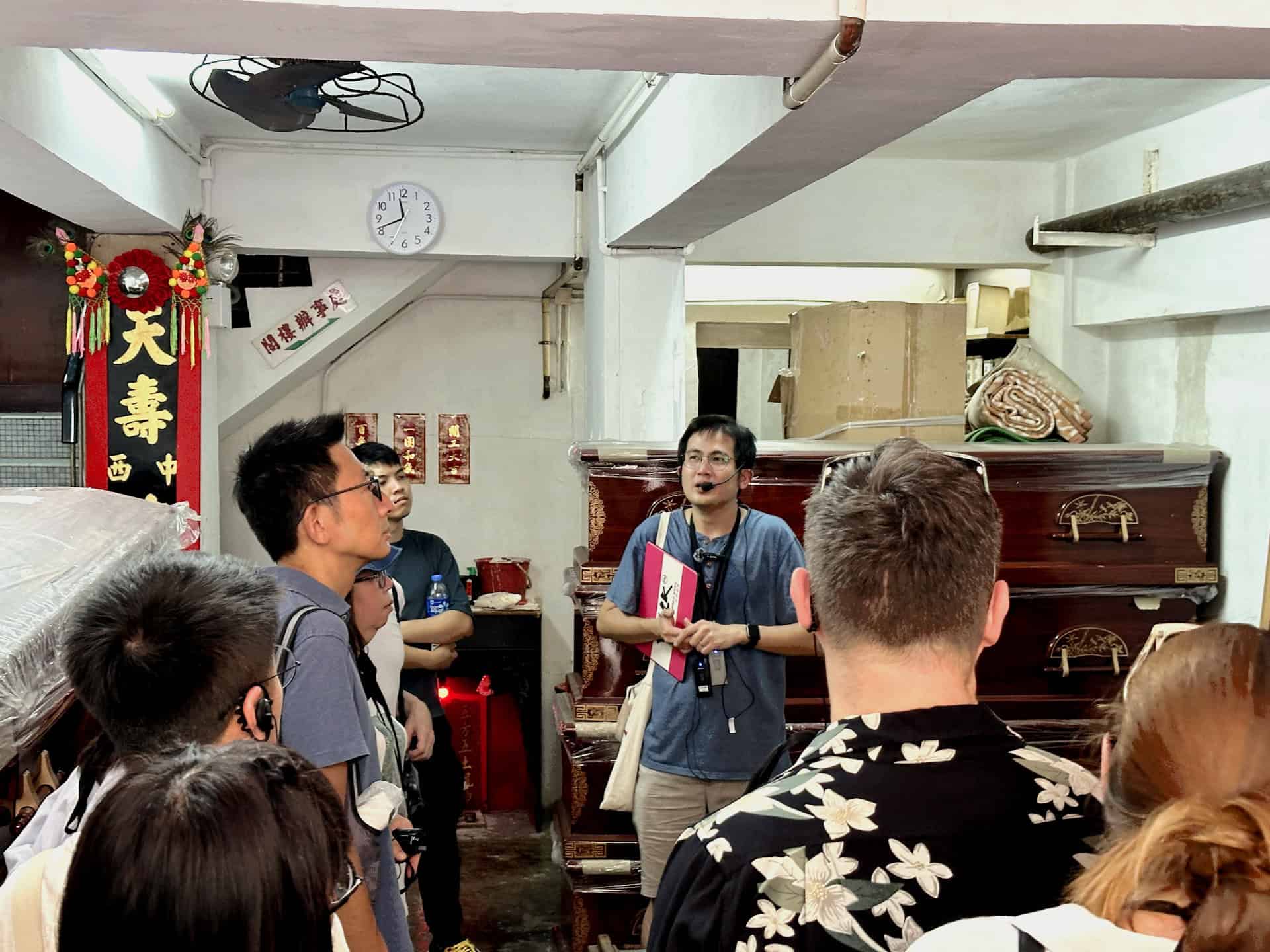
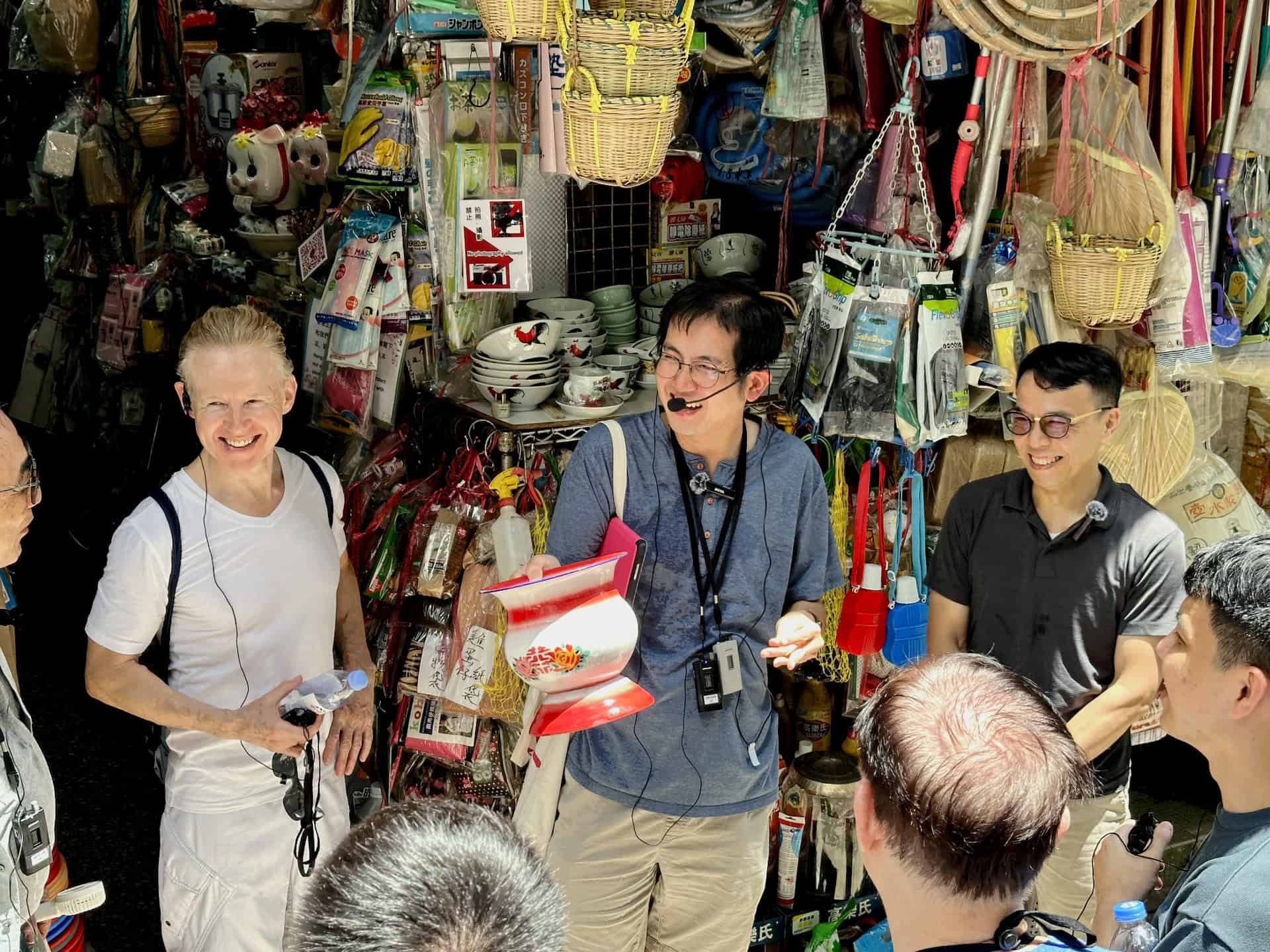
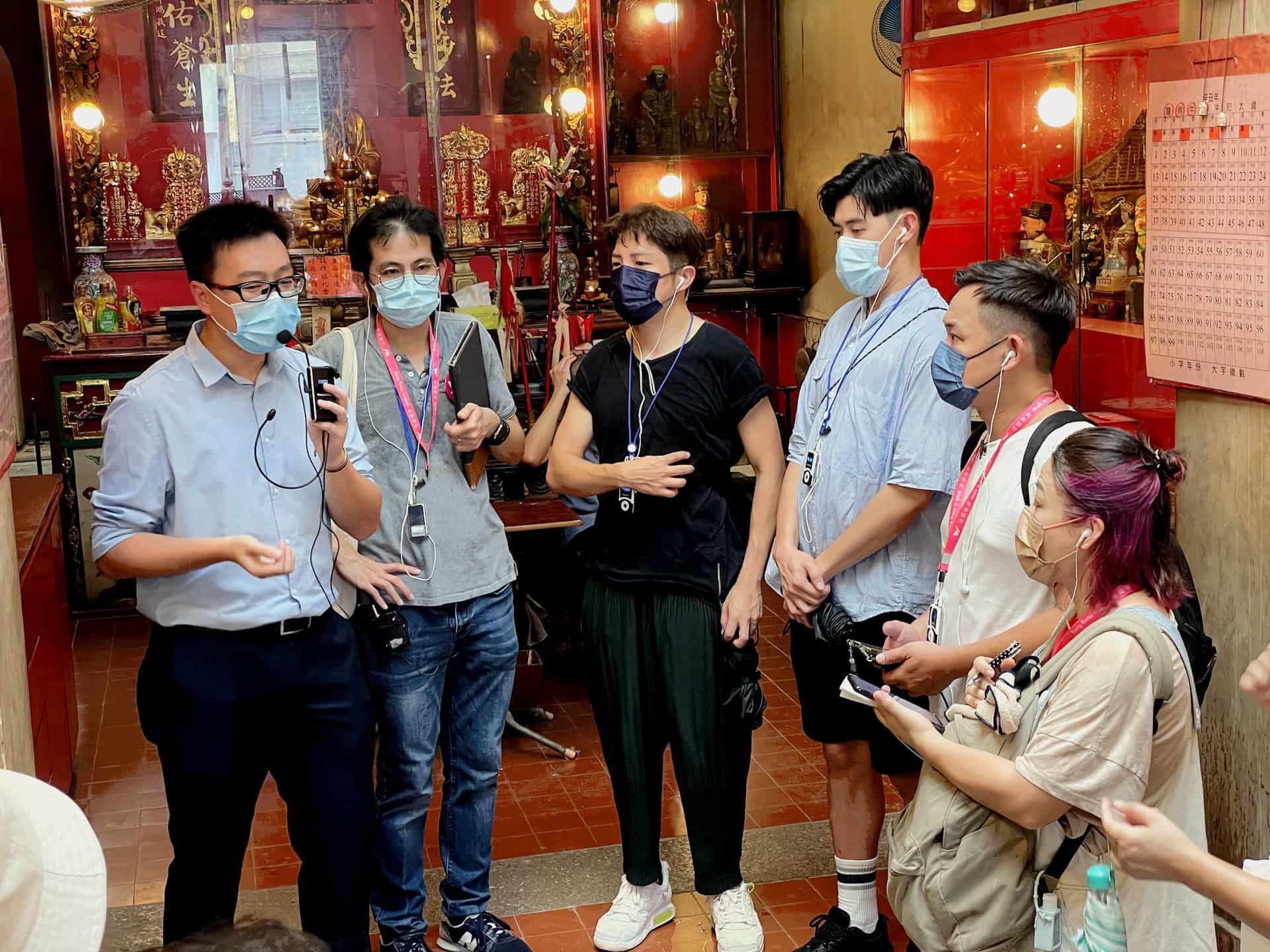
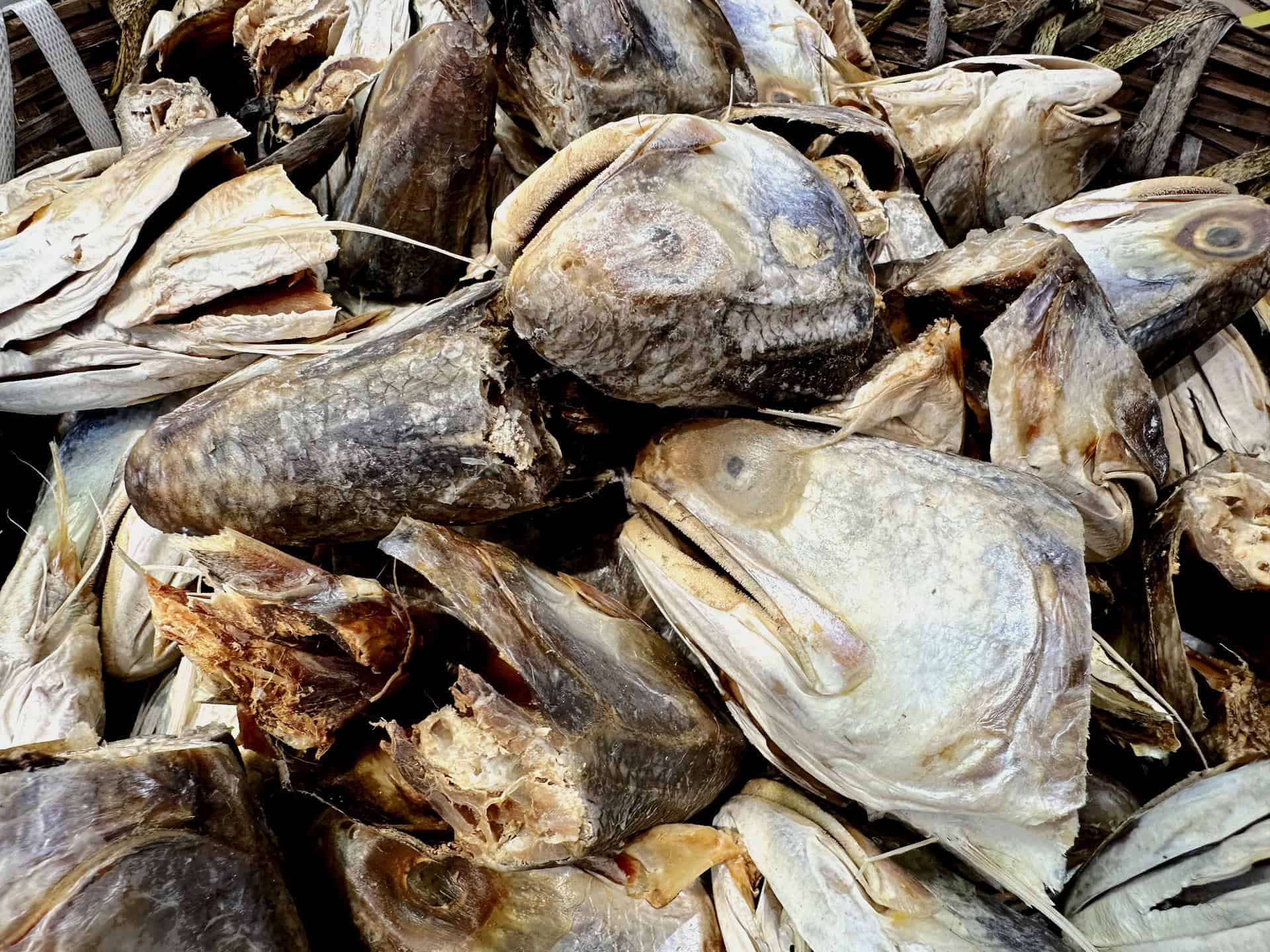
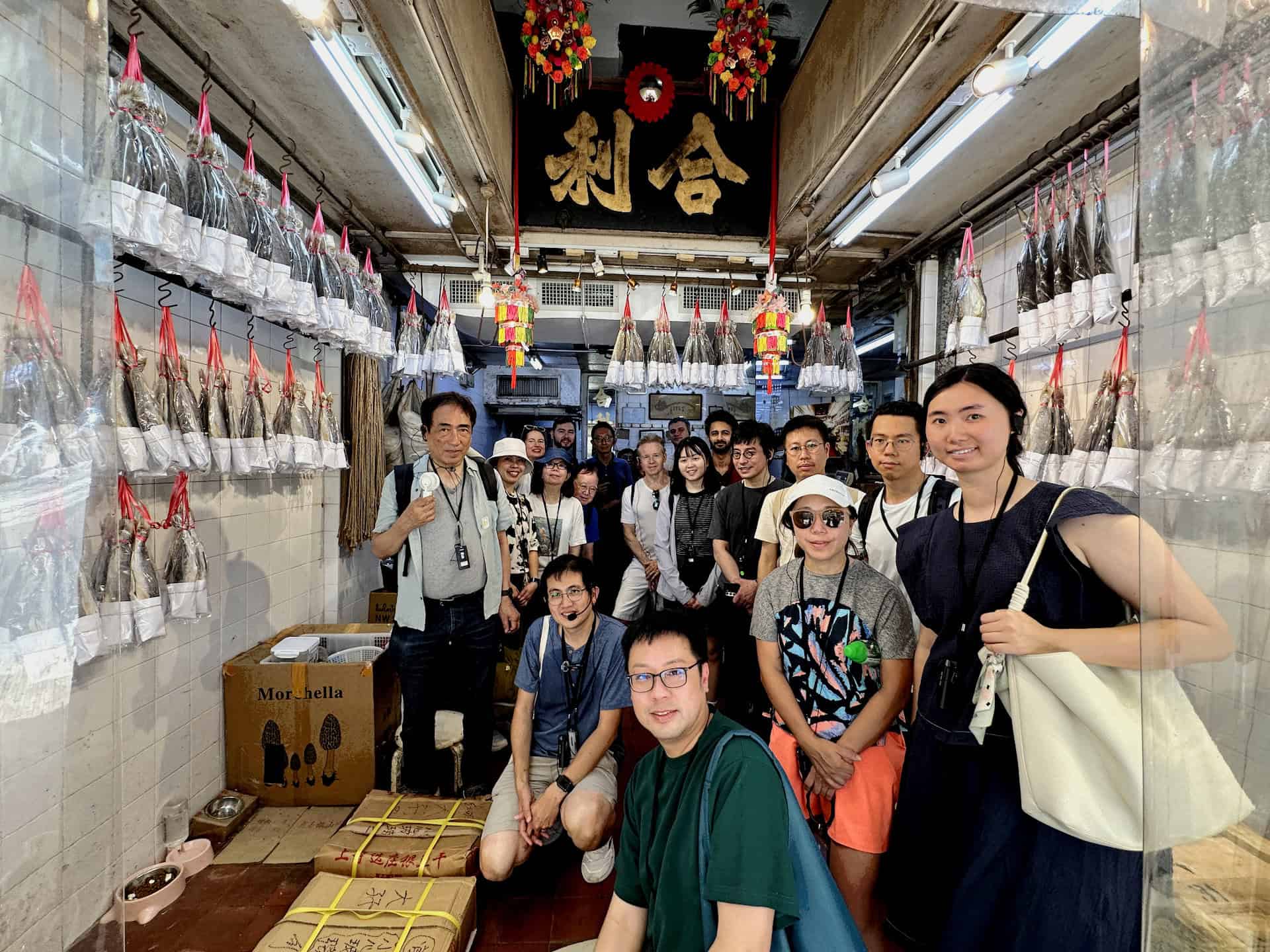
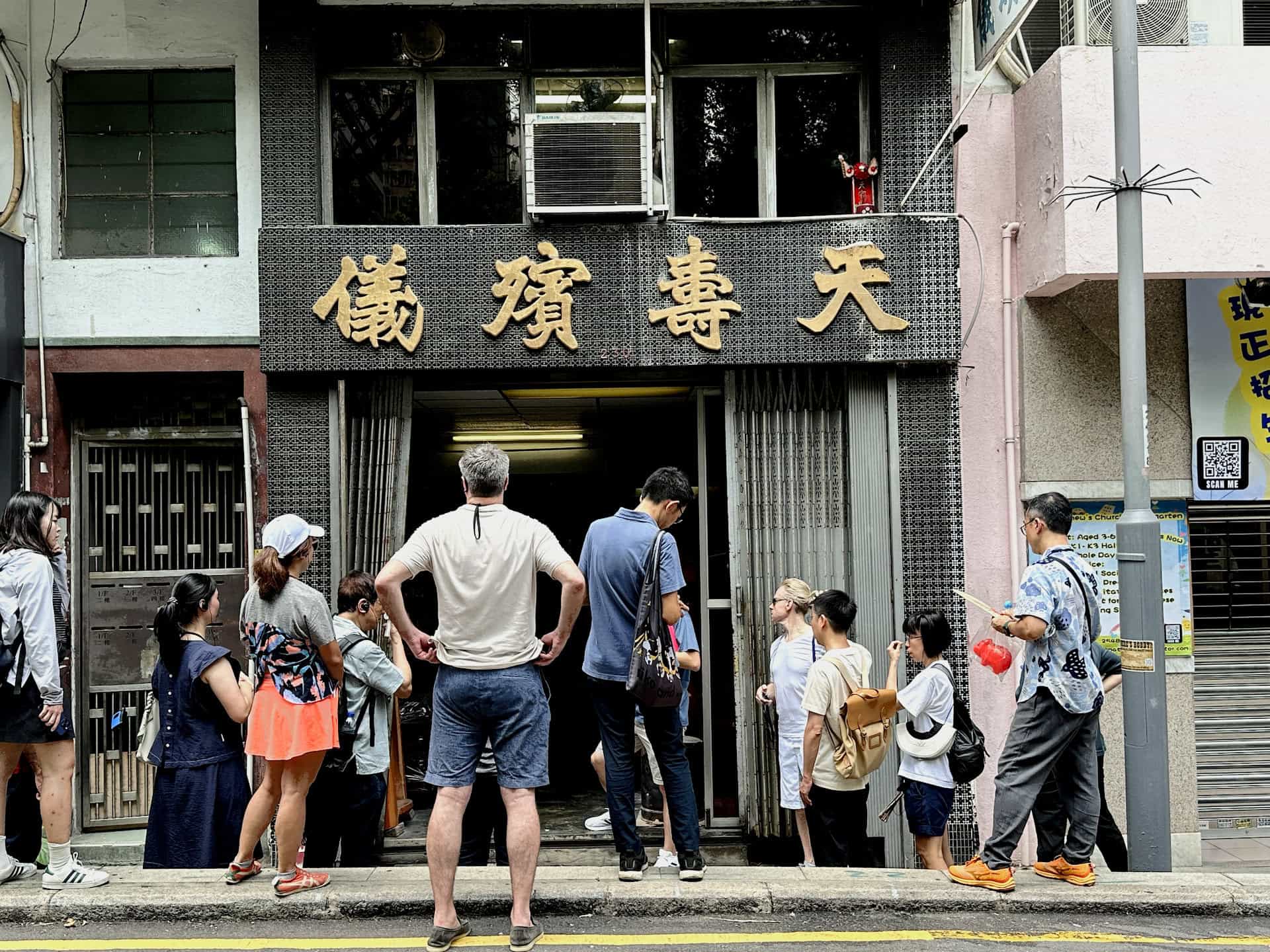
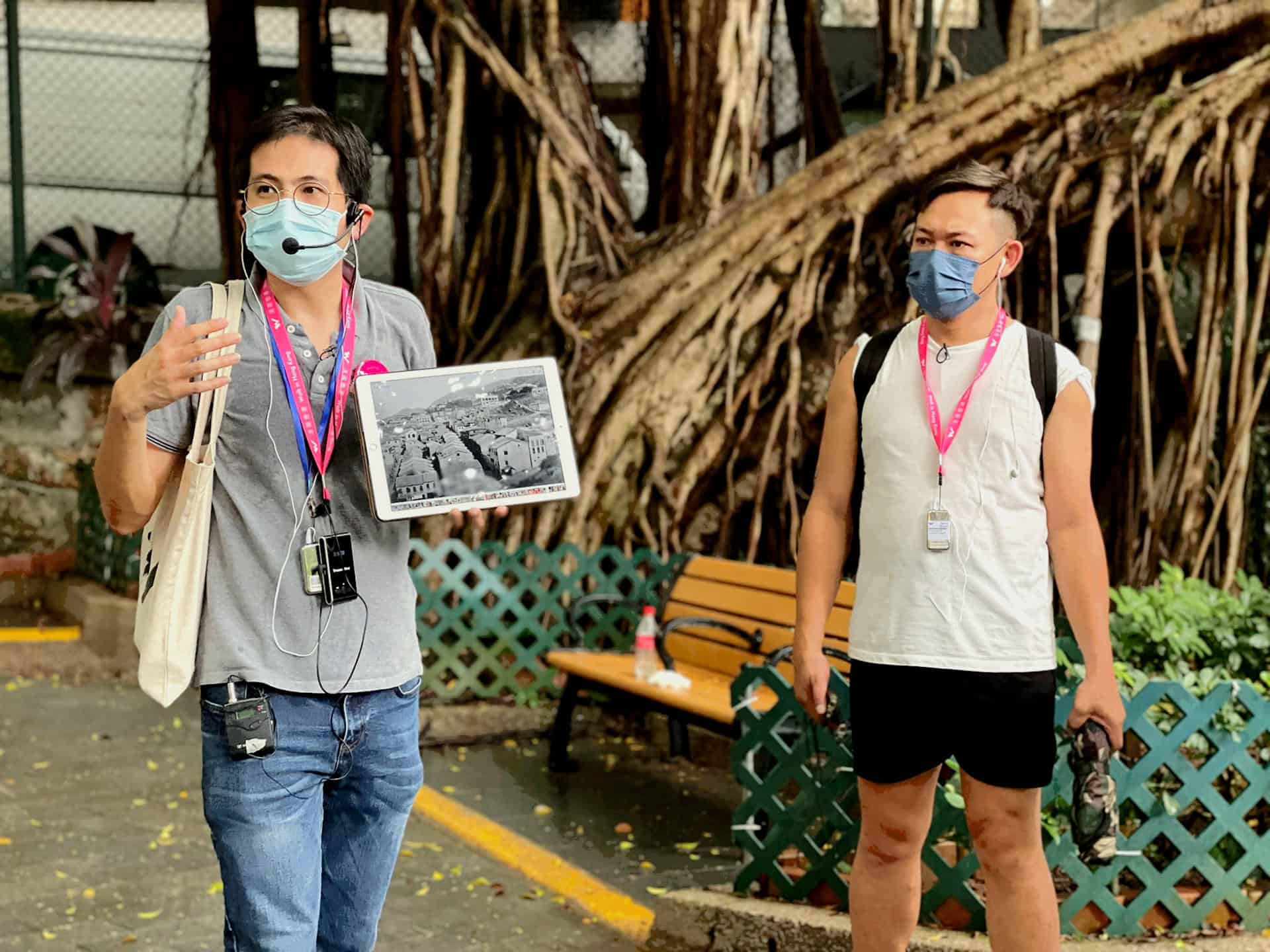

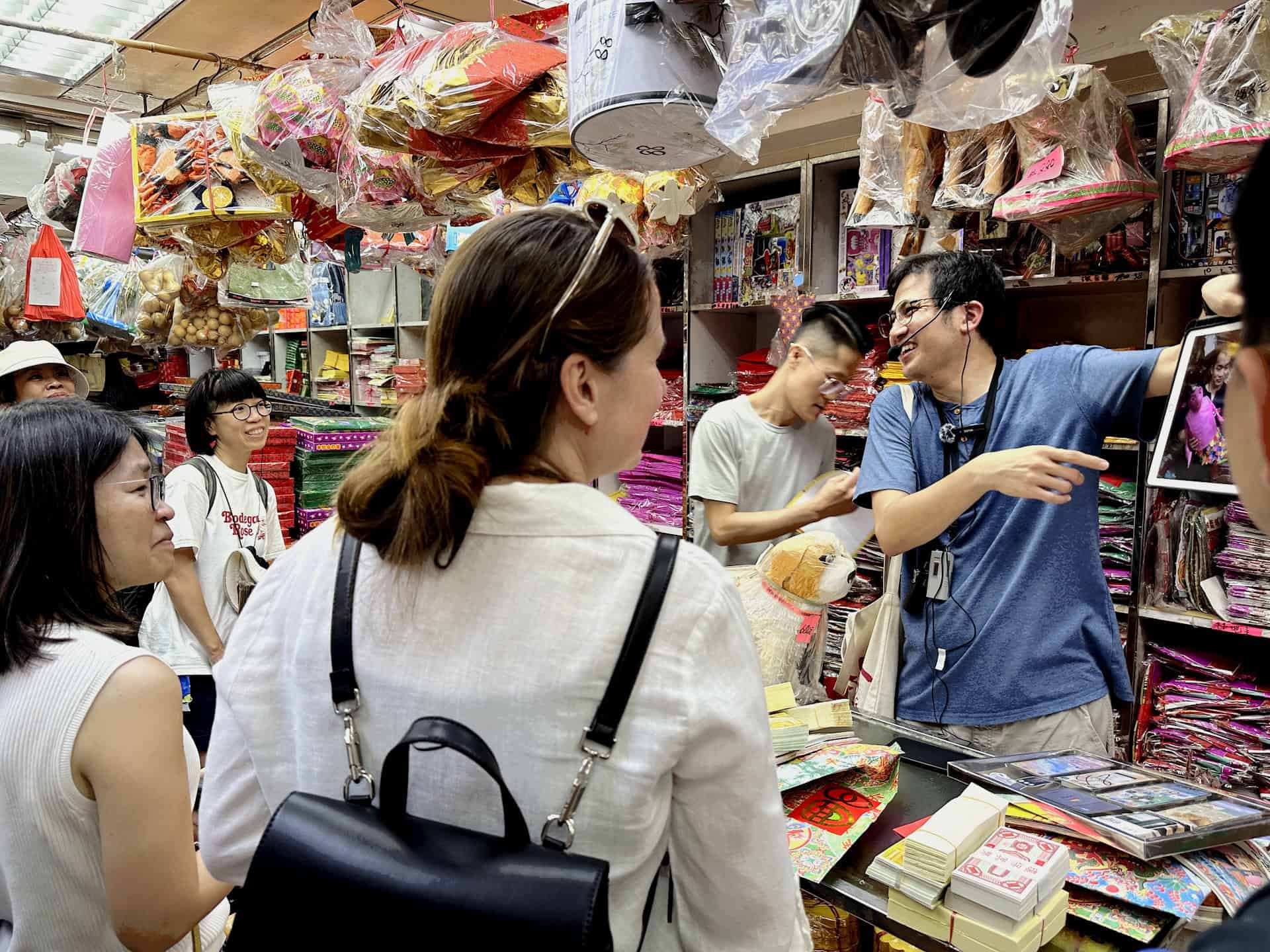
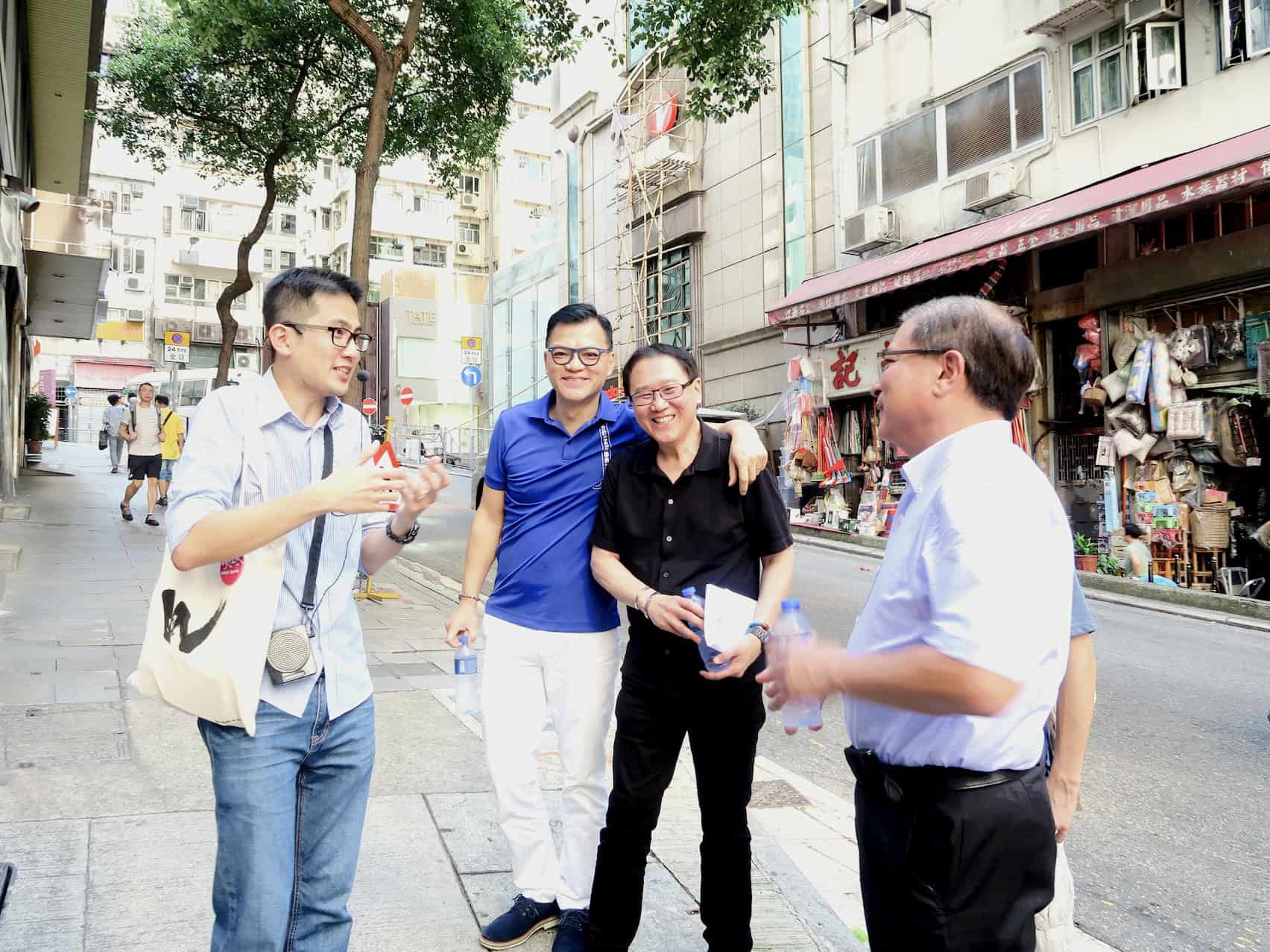
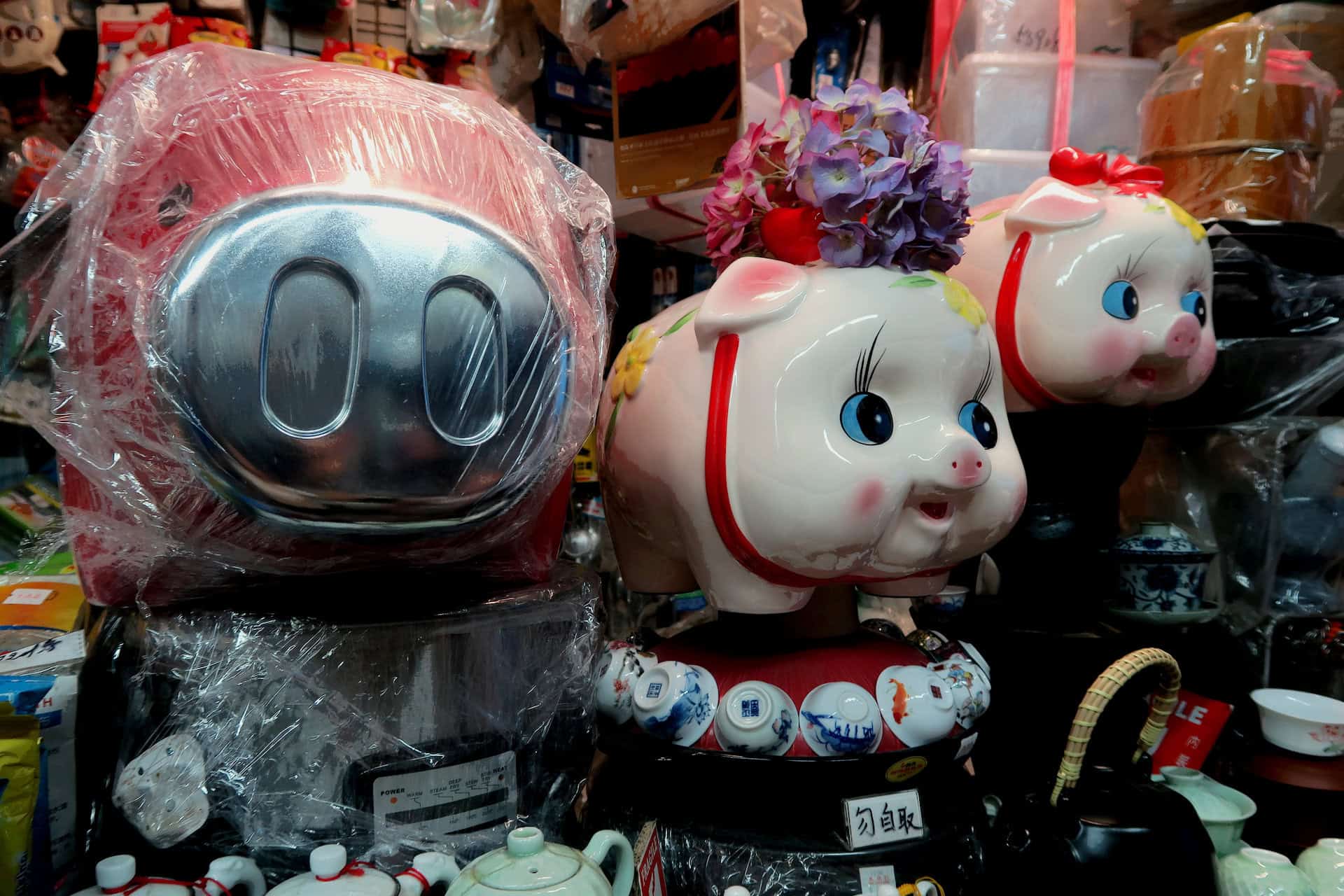


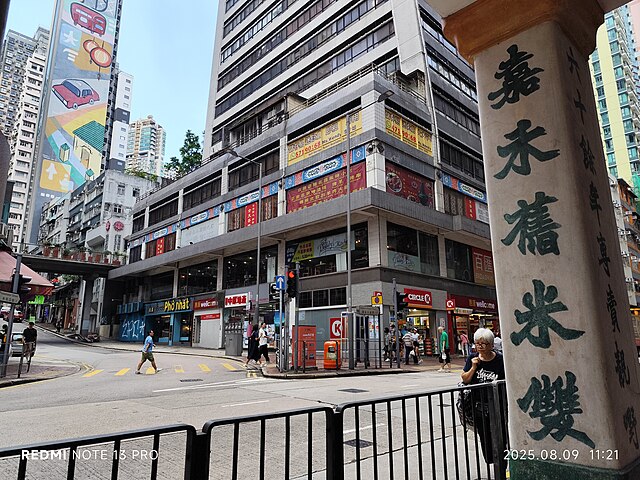
In 1841, the British took Hong Kong Island, and it wasn’t long before Chinese people and Westerners were segregated in many areas of life — a phenomenon that was to develop and persist for decades to come. Sheung Wan, which sits west of modern-day Central, was designated a Chinese area, but atrocious hygiene and crowded living conditions made life unbearable for the Chinese inhabitants there. An influx of migrants from mainland China from the 1850s onwards further exacerbated the situation. Many of these individuals toiled and struggled for years and eventually died alone, in this foreign place, without any family or friends.
The neighbourhood around Tai Ping Shan Street at the heart of this Chinese settlement was ground zero for a horrific outbreak of the bubonic plague in the late 19th century – a deeply poignant irony given the fact that Tai Ping Shan actually means “Peaceful Hill” in Chinese.
Today, Tai Ping Shan Street and its surrounding lanes have transformed into a trendy enclave of cafés, galleries and boutiques, but one only has to look closely to find remnants of Sheung Wan’s macabre past. On this walking tour, we’ll take a trip back in time to see how the Chinese population of the area lived in the second half of the 19th century, and in particular, how the grim spectre of death hung over them, shaping the subsequent political and social developments of Hong Kong. We’ll also visit some local institutions and discuss death rituals in Chinese culture, digging deep into their history and meaning.
Some of the points of interest include:
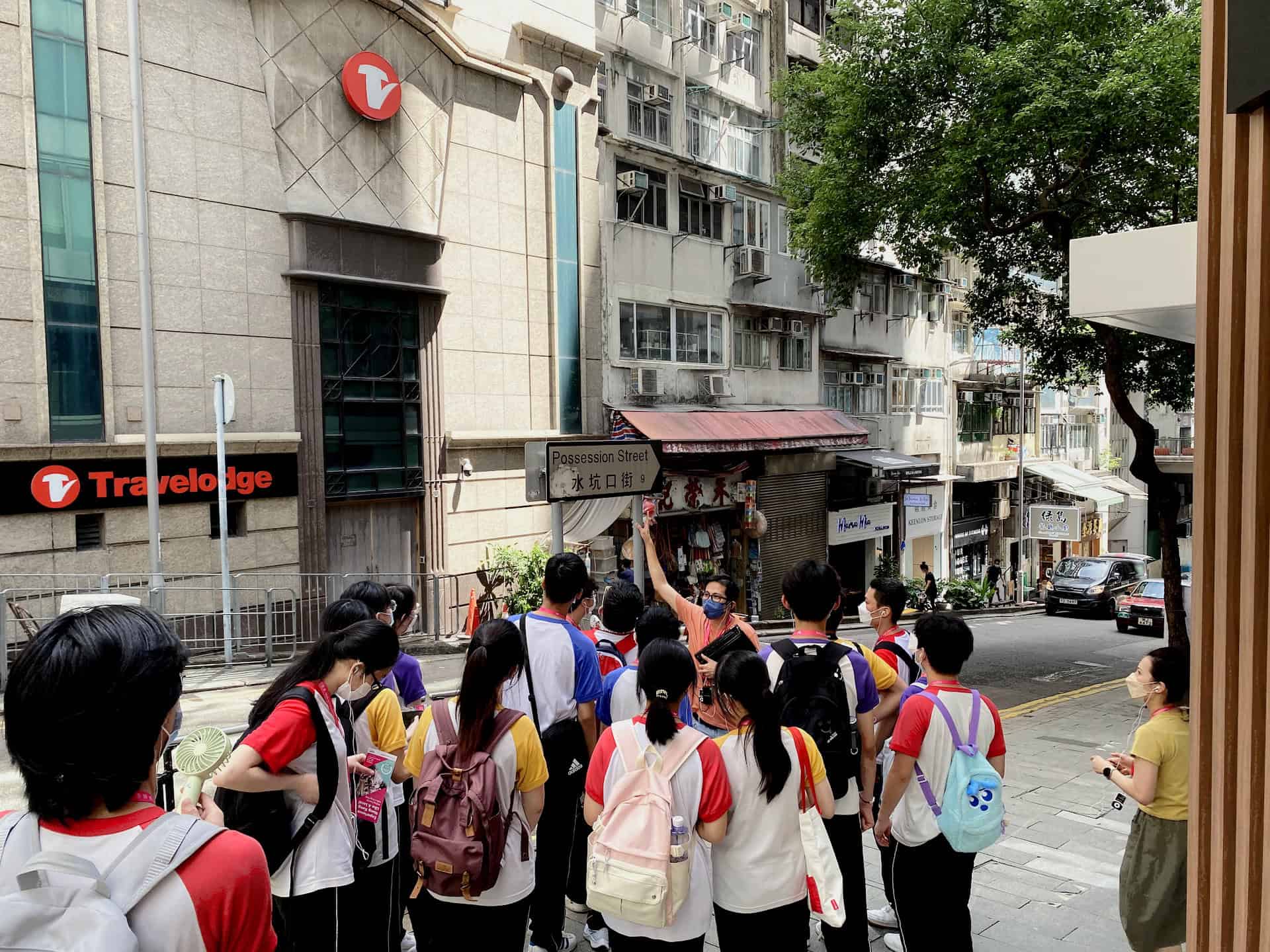
Possession Street
In 1841 the Union Jack flag was planted on Possession St, which was named after this historical event
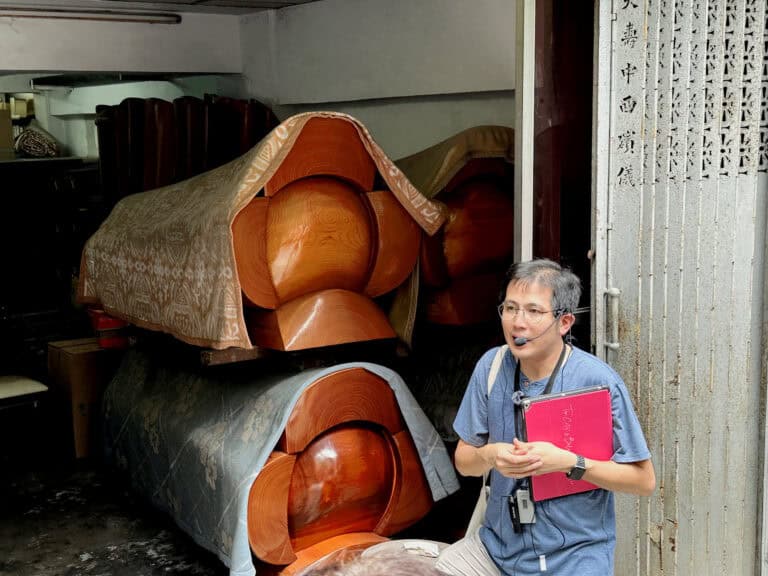
Coffin Shop
The so-called "tomb street" in Sheung Wan
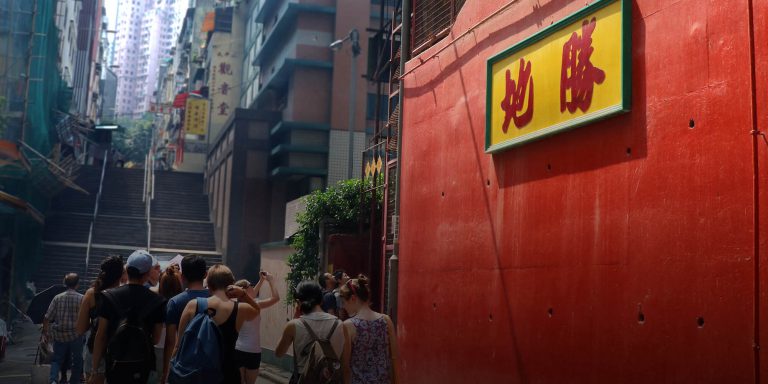
Kwong Fook I Tsz
Founded by local merchants and residents in 1851, this temple houses the ancestral tablets of mainland Chinese who died in Hong Kong
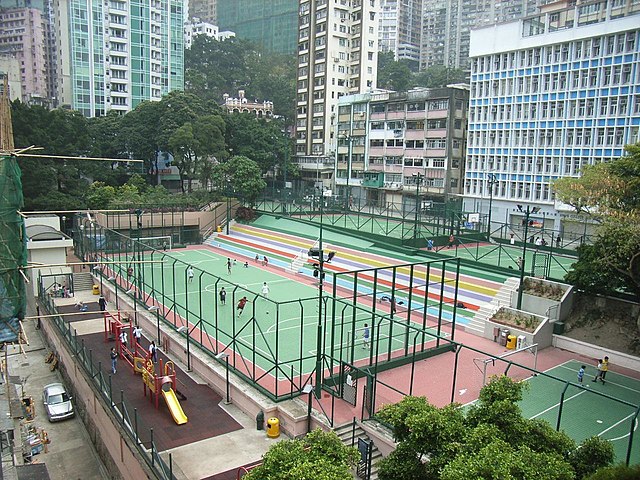
Blake Garden
Blake Garden commemorates the outbreak of the the Bubonic plague, one of the most disastrous calamities that afflicted Hong Kong for three decades
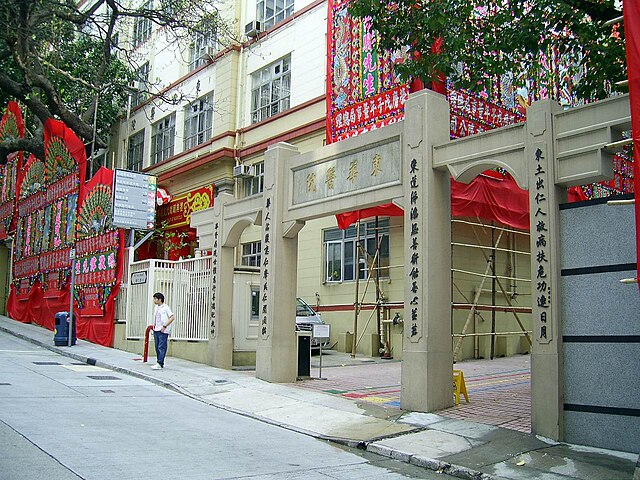
Tung Wah Hospital
The first western hospital to provide Chinese medicine services in China, the bedrock of Tung Wah Group of Hospitals (TWGHs), which is an important part of Hong Kong's societal development
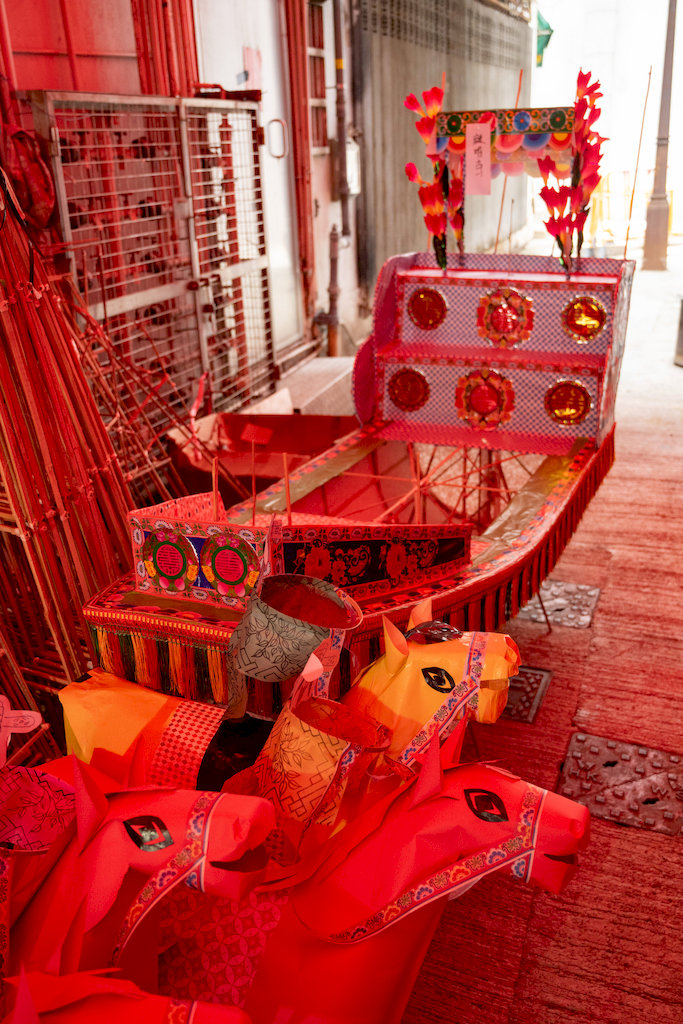
Paper Offering Shop
The colorful and imaginative industry that creates products fulfilling the dead's daily needs in the underworld, such as paper currency, clothes, food, houses, and transports
In 1841 the Union Jack flag was planted on Possession St, which was named after this historical event
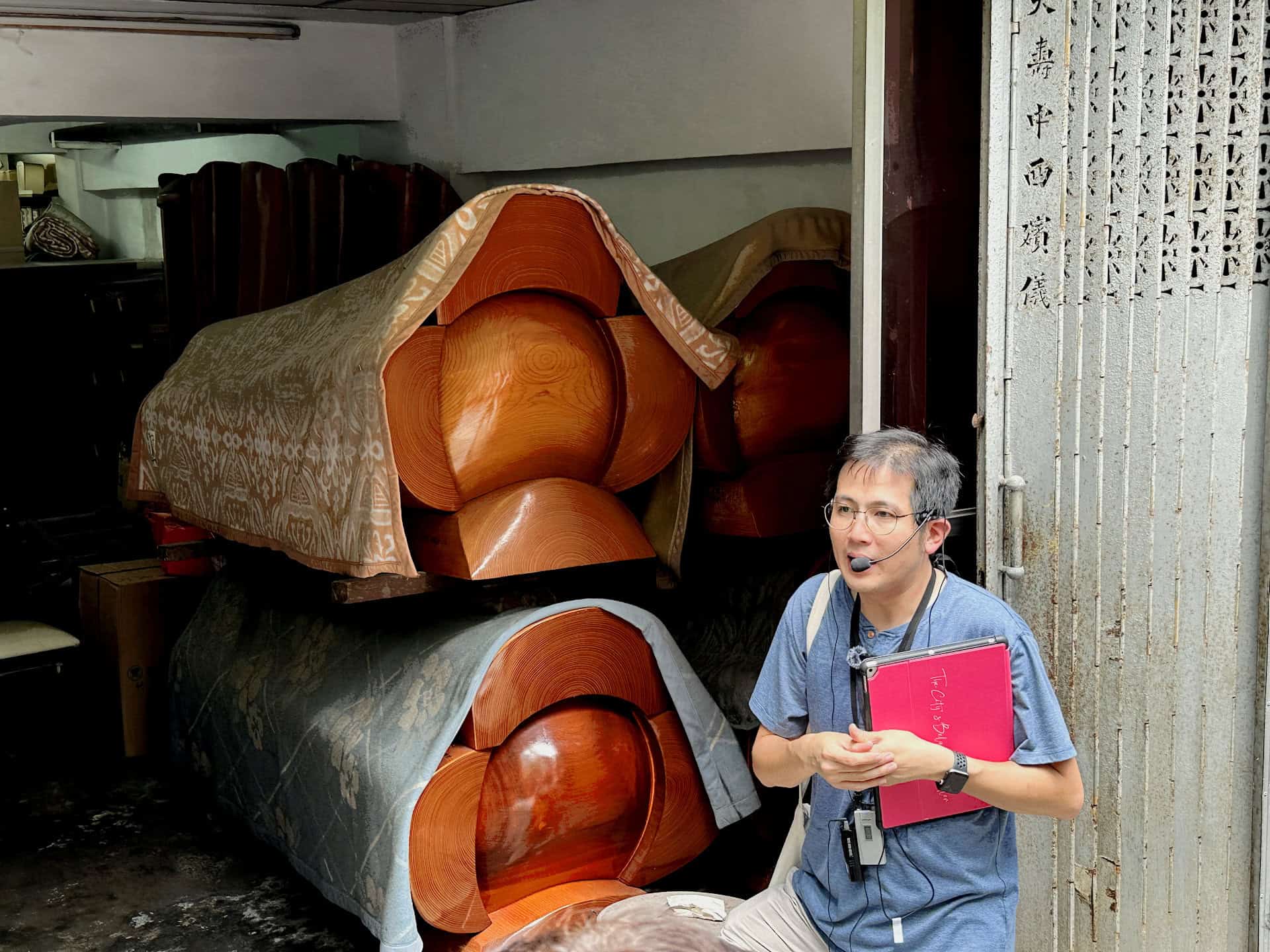
The so-called "tomb street" in Sheung Wan
Founded by local merchants and residents in 1851, this temple houses the ancestral tablets of mainland Chinese who died in Hong Kong
Blake Garden commemorates the outbreak of the the Bubonic plague, one of the most disastrous calamities that afflicted Hong Kong for three decades
The first western hospital to provide Chinese medicine services in China, the bedrock of Tung Wah Group of Hospitals (TWGHs), which is an important part of Hong Kong's societal development
The colorful and imaginative industry that creates products fulfilling the dead's daily needs in the underworld, such as paper currency, clothes, food, houses, and transports
History




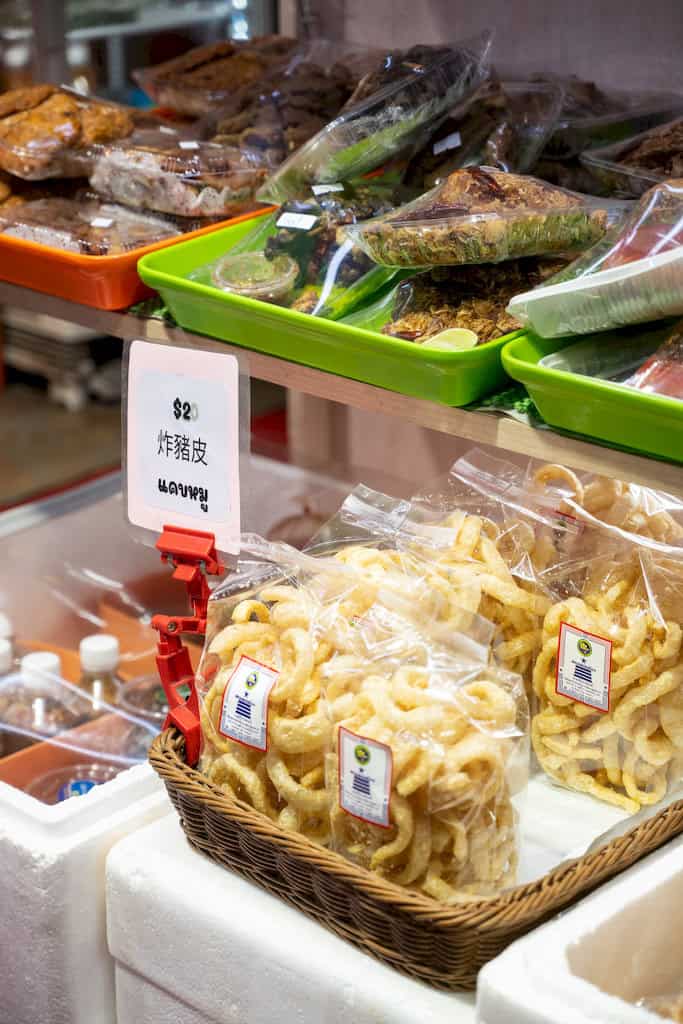
Explore Kowloon City through its rich food culture and uncover the stories behind its transformation from the Walled City to today’s vibrant neighbourhood.
Kowloon City
2 hours
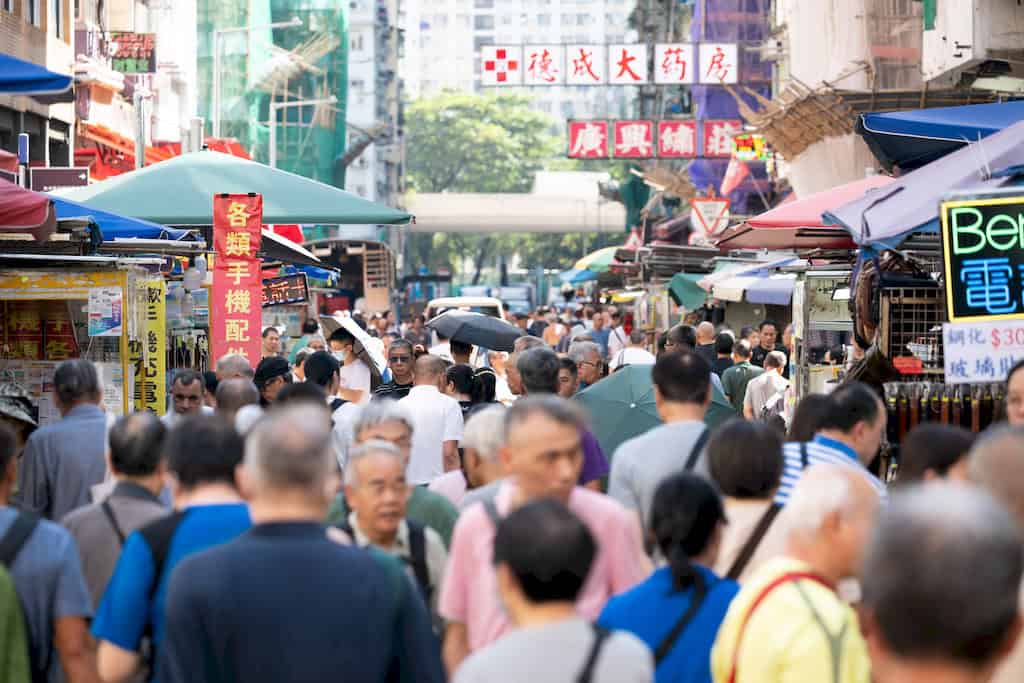
Let's explore the grassroots' daily life and understand diversified and various Sham Shui Po.
Sham Shui Po
2 hours
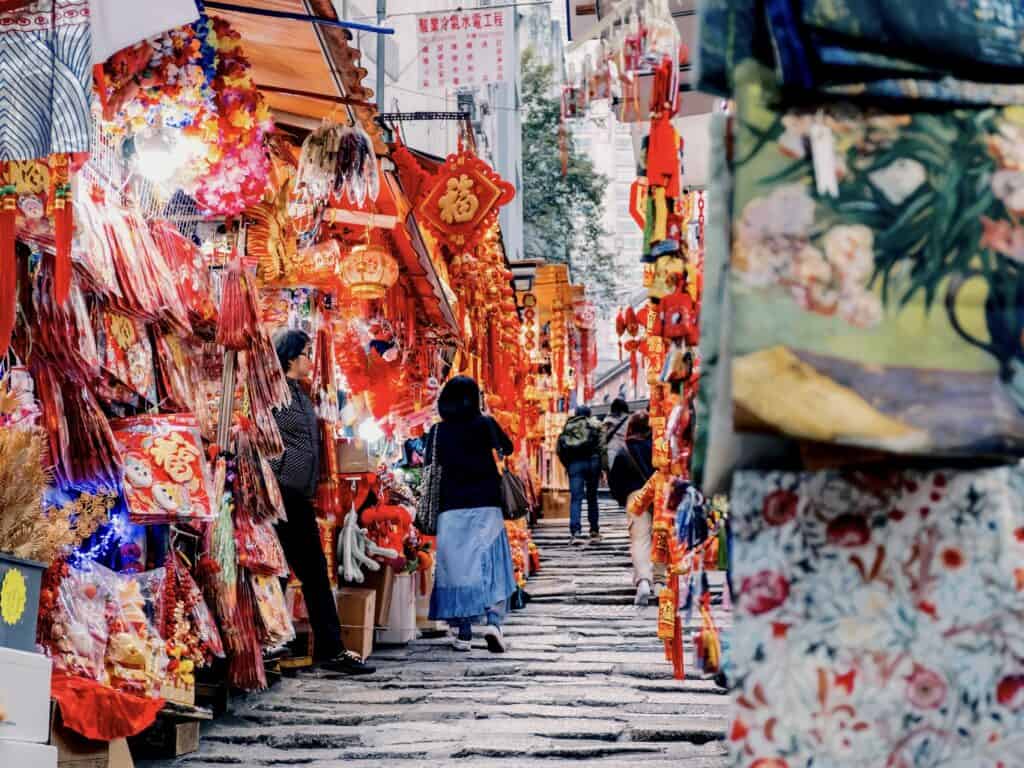
Travel through Central and Sheung Wan to learn about Hong Kong's history and architecture
Central and Sheung Wan
2 hours
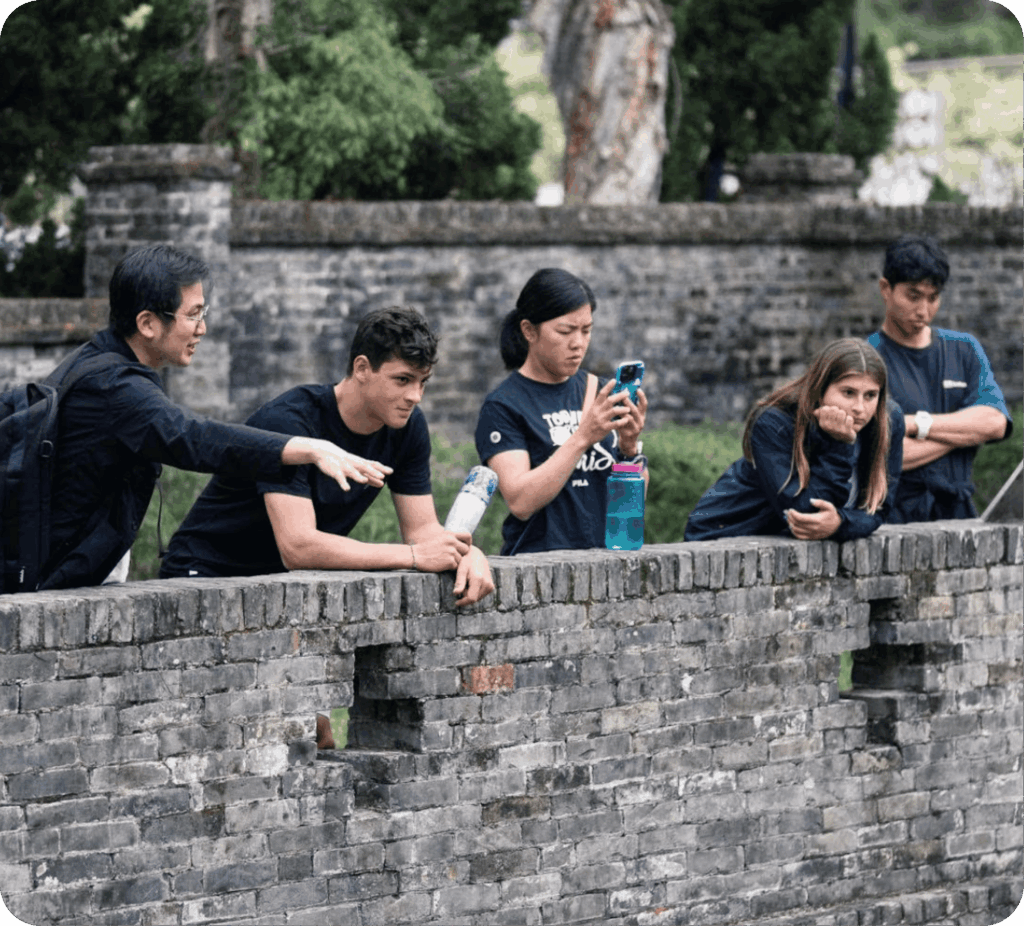
Learn more about the prosperity and the story of the demolition of the once-existing Chaos.
Kowloon City
2 hours
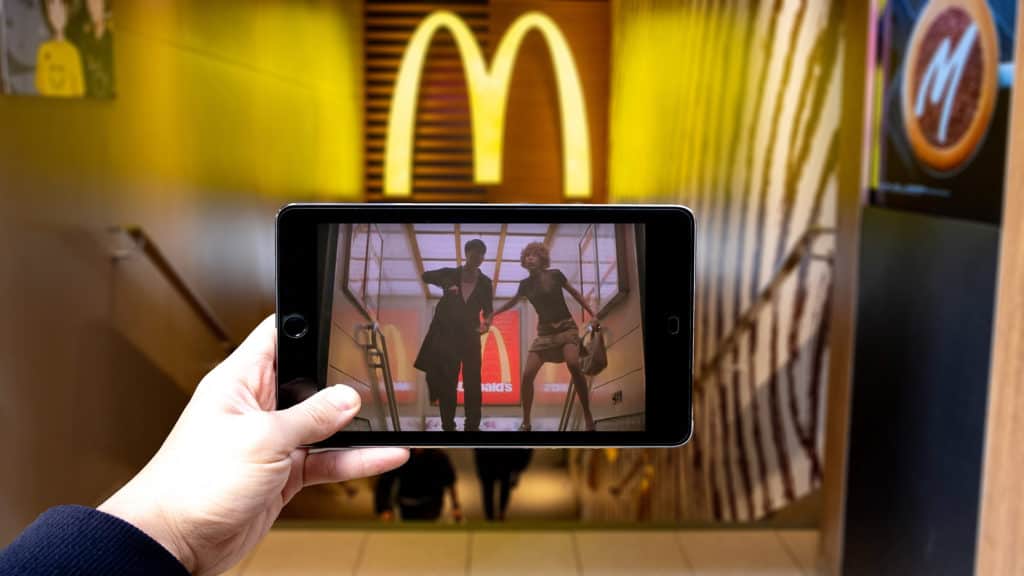
Discover Hong Kong’s cinematic heritage, from Tsim Sha Tsui’s bustling streets to hidden film landmarks, and experience the magic of light and shadow shaping the city’s identity.
Tsim Sha Tsui
2 hours
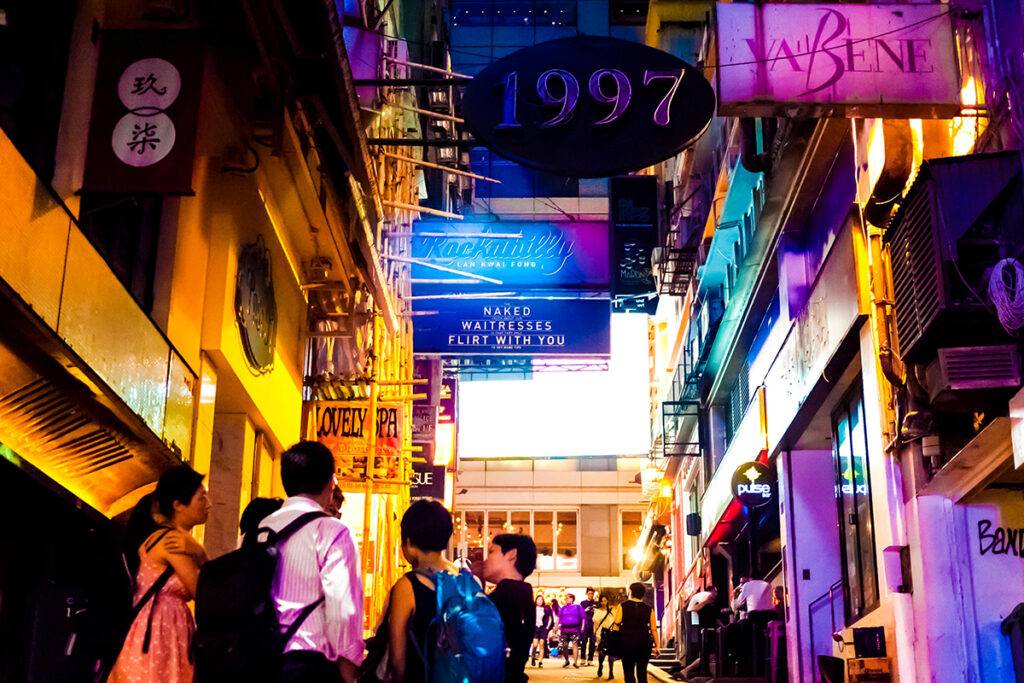
Understand Hong Kong's multi-gender culture and listen to LGBT stories
Central and Sheung Wan
2 hours
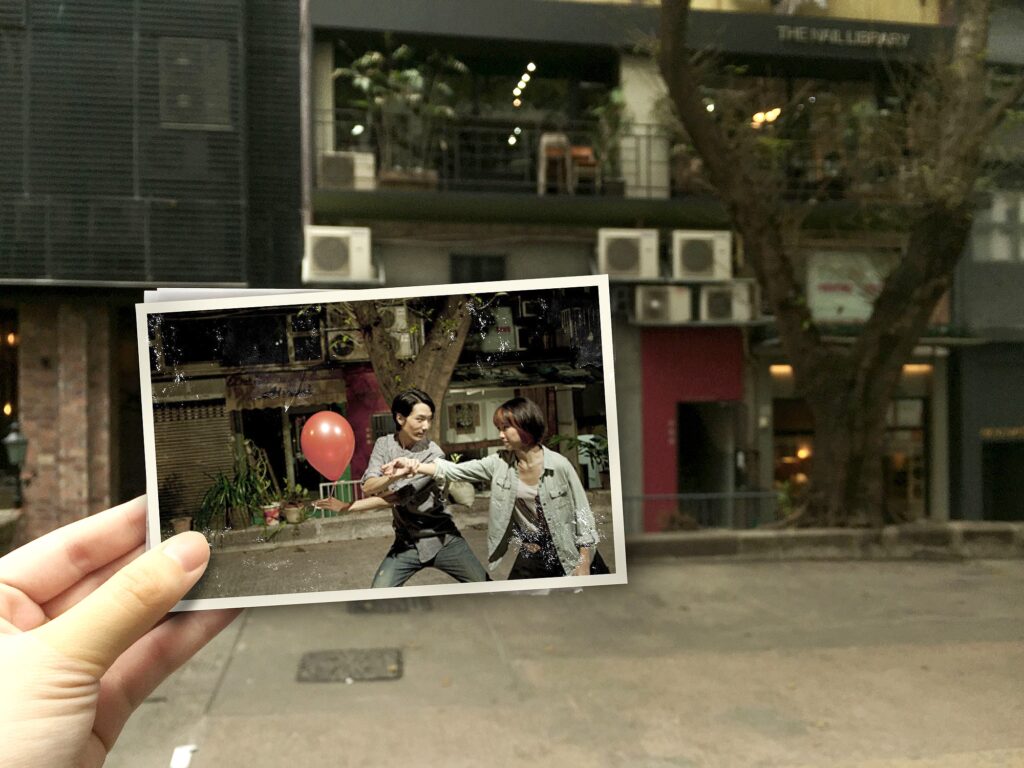
Explore Hong Kong's pop culture through the lens of light and shadow
Sheung Wan
2 hours