Experiences explained
Journeys into the soul of Hong Kong. Each experience is crafted to reveal the city through stories, people, and moments you won’t find in guidebooks.
Begin here
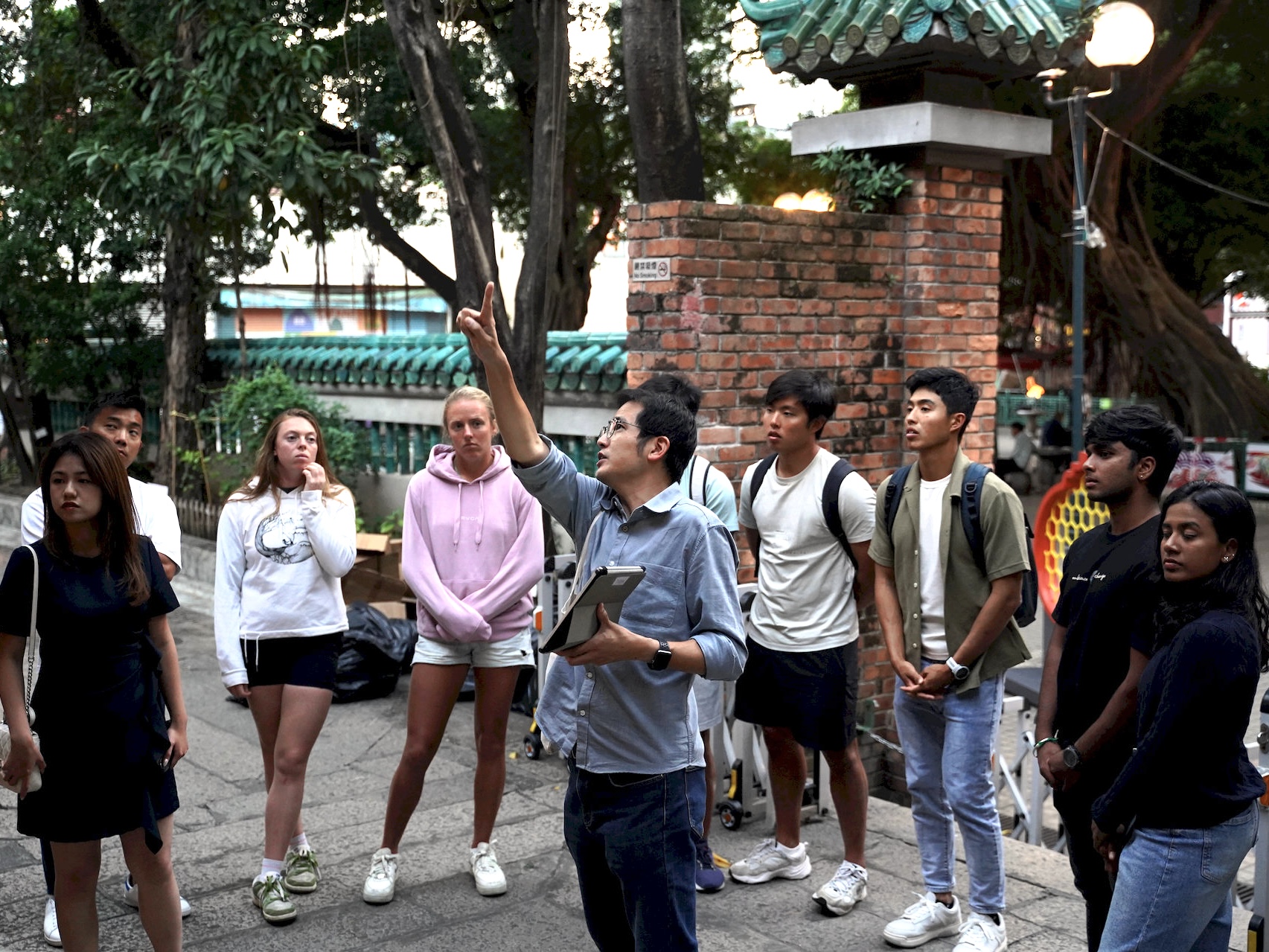
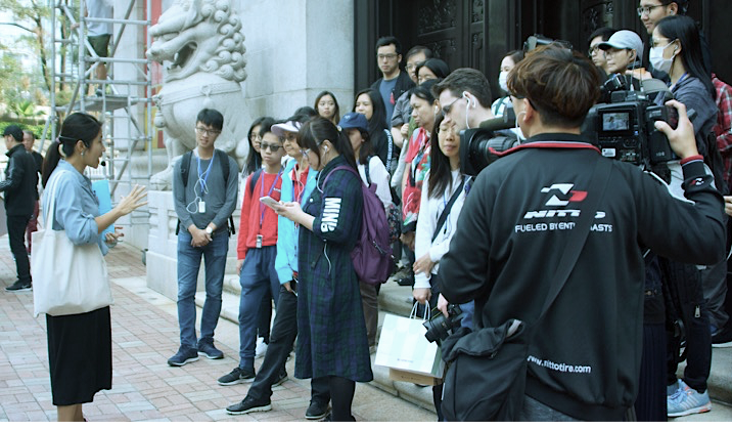
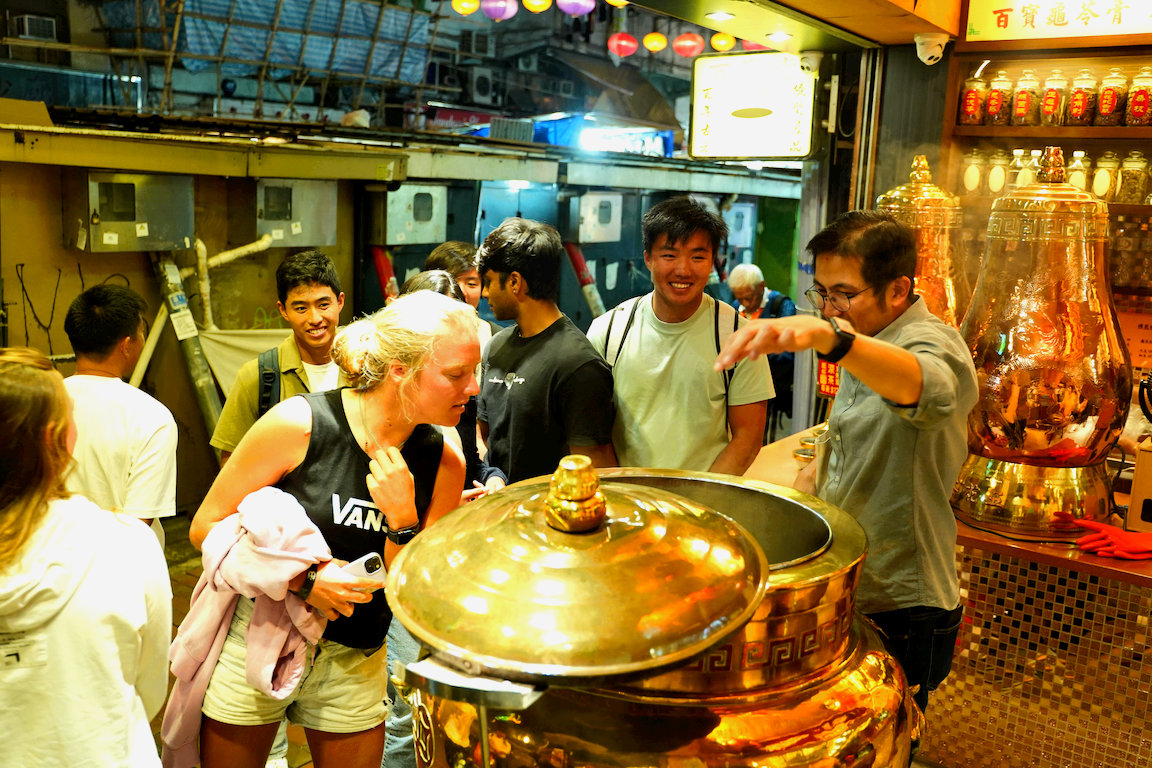
Walk the streets where history whispers and everyday life unfolds. Uncover hidden stories behind familiar landmarks and forgotten corners.
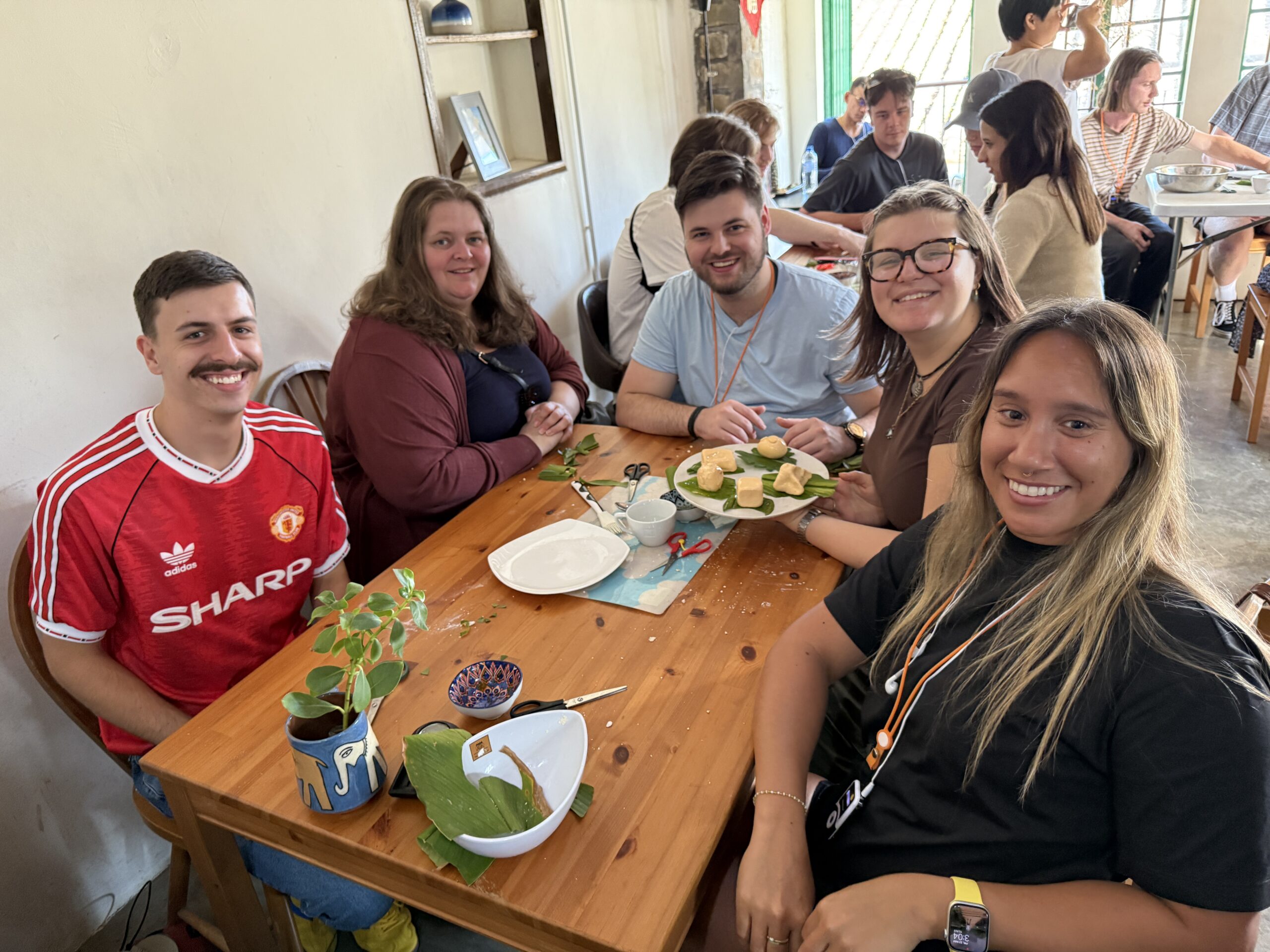
Create, taste, listen, and learn: hands-on cultural encounters that invite you to experience Hong Kong with all your senses.
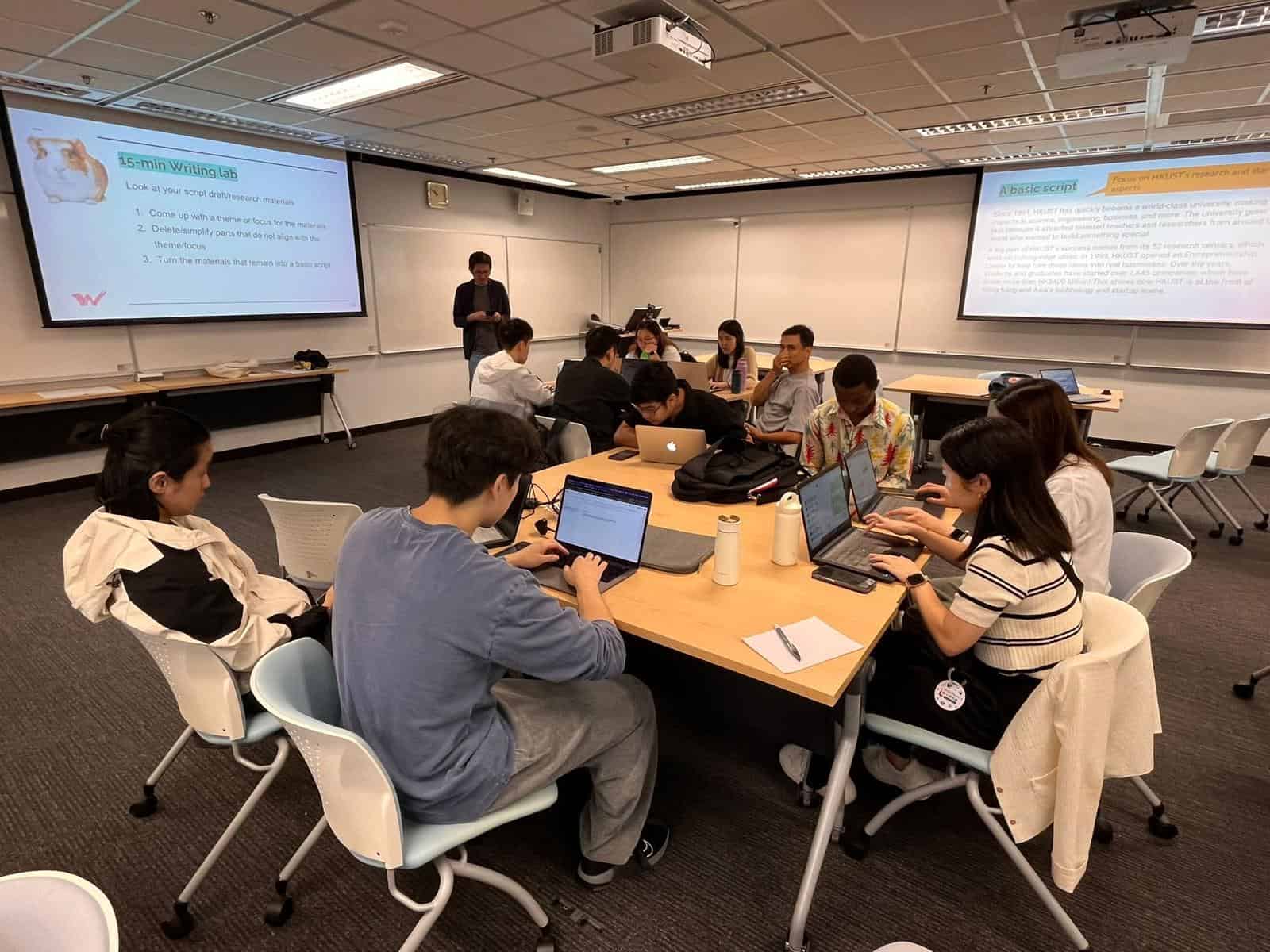
Sharpen your storytelling and communication skills through immersive, experience-led learning rooted in the city itself.
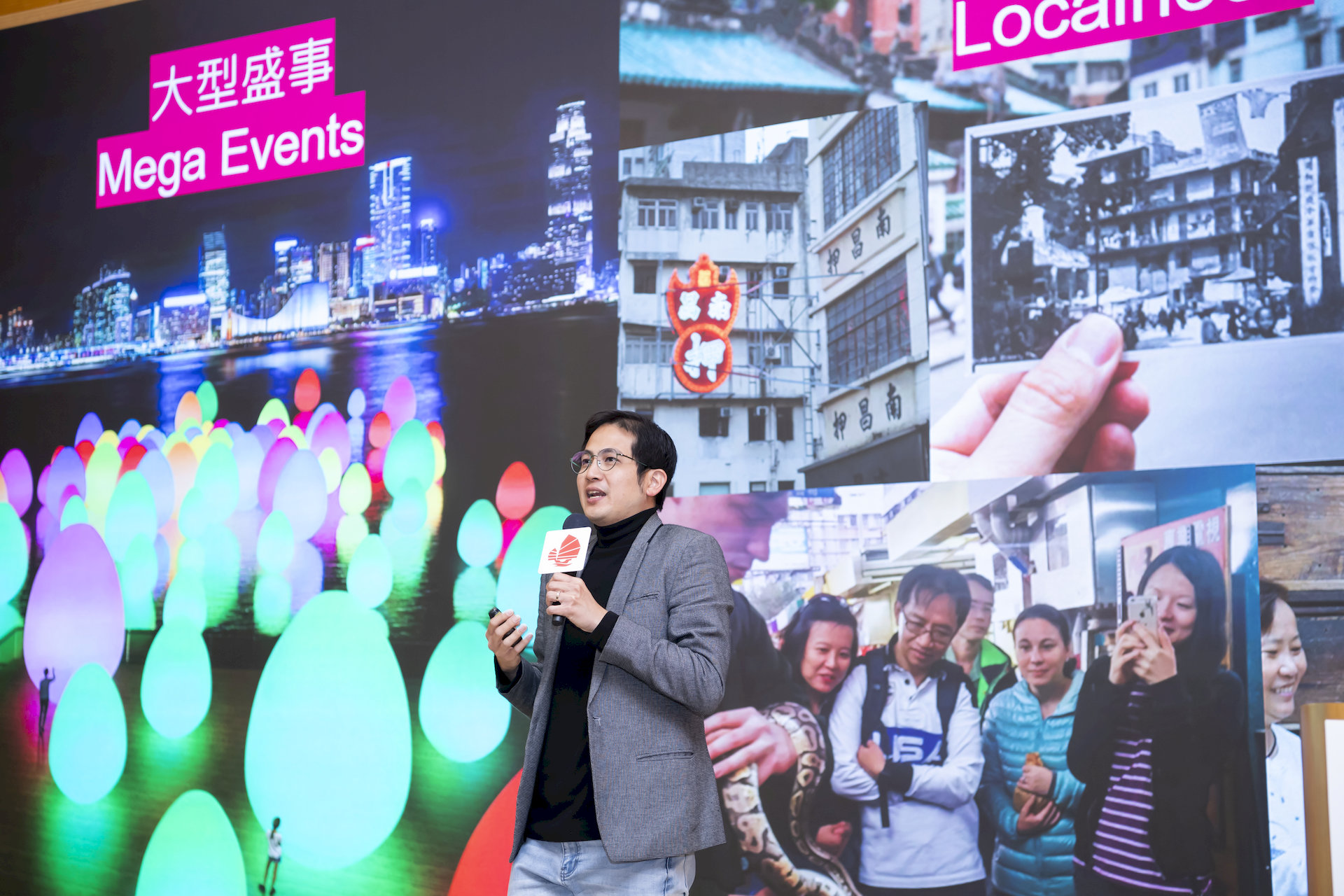
Stories that provoke thought, challenge assumptions, and deepen your understanding of Hong Kong’s layered identity.
We also do custom tours. Have something specific in mind? You dream it, we create it. Get in touch.
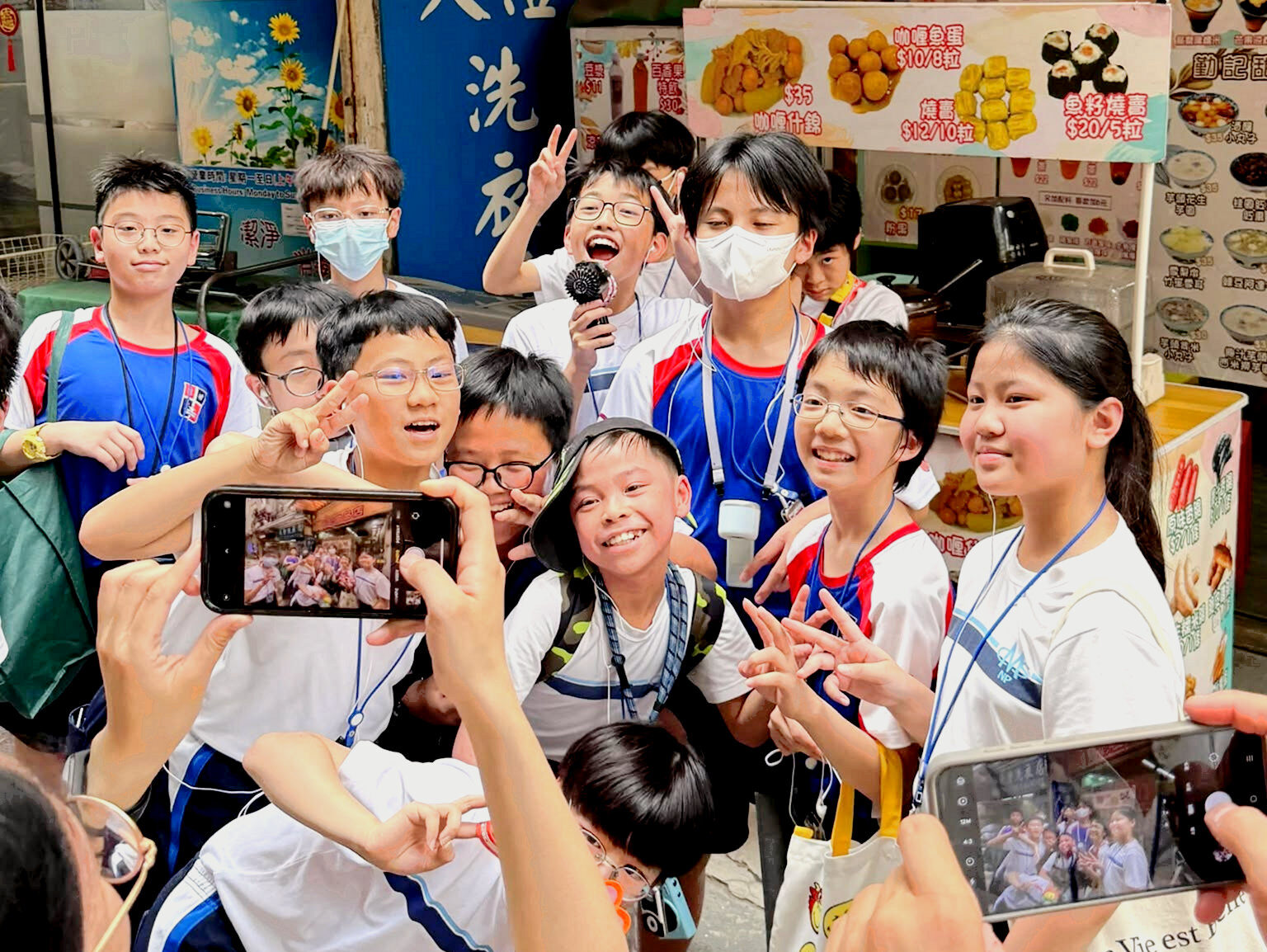
We turn Hong Kong into a living classroom, where syllabus meets streets, and theory meets lived reality.
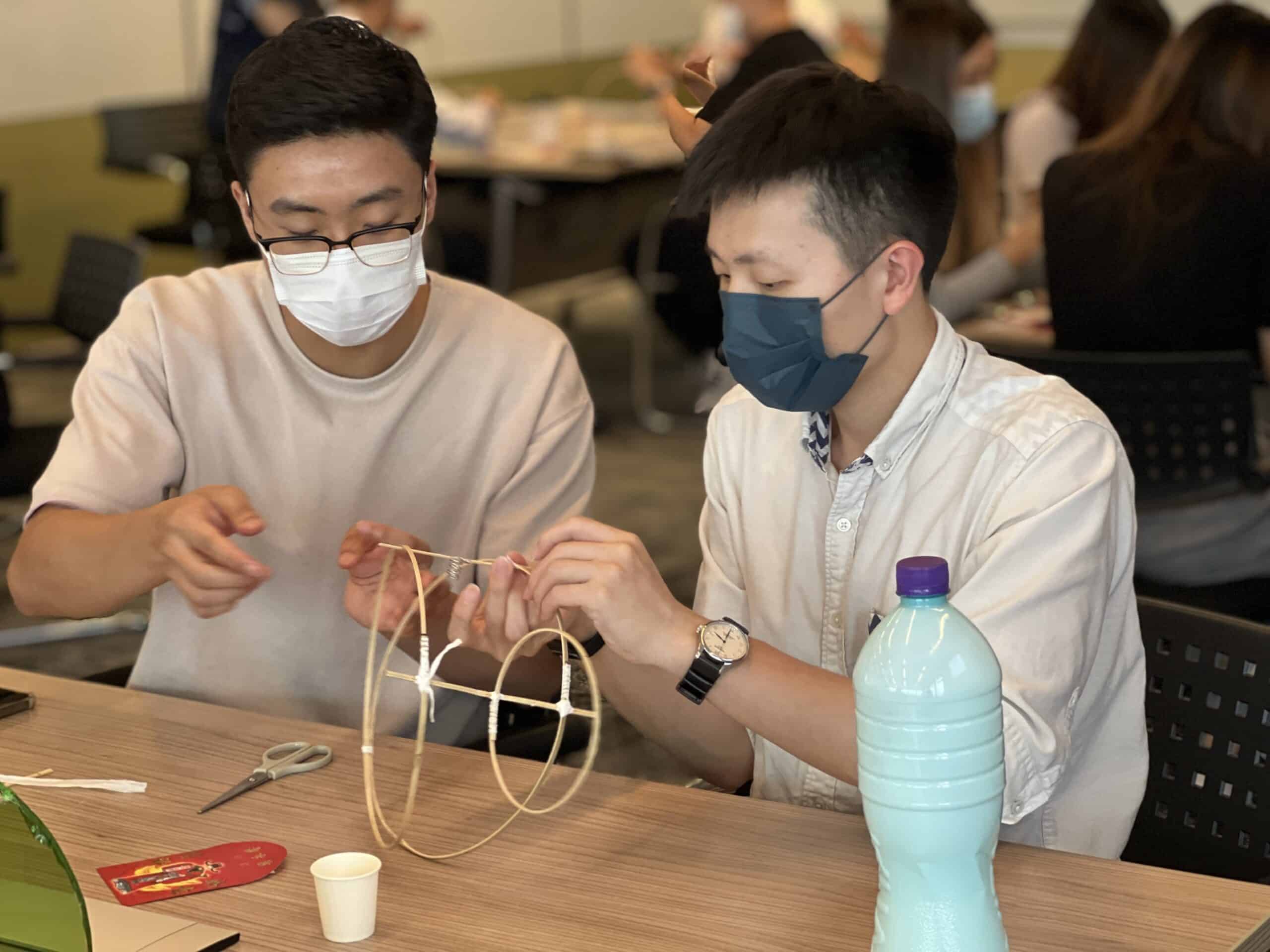
Explore beyond the textbook. Explore Intangible Cultural Heritage (ICH), field study, and integrated tour-workshops designed for hands-on, active discovery.
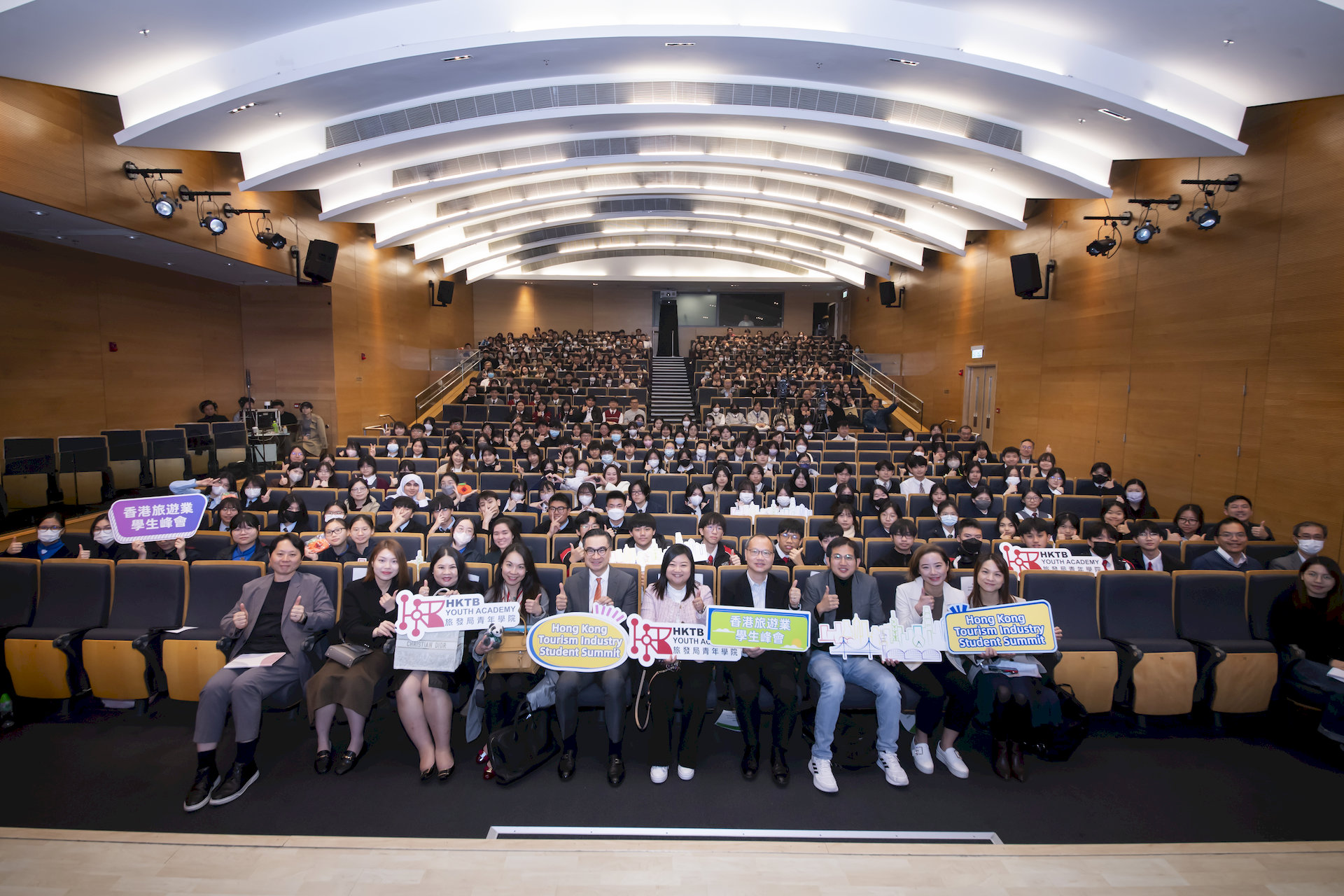
Inquiry in action. Students interpret sources, debate perspectives, conduct their own interviews, and build their own narratives.
From knowledge to voice. We train students to communicate ideas with clarity, confidence, and purpose.
We also do custom tours. Have something specific in mind? You dream it, we create it. Get in touch.
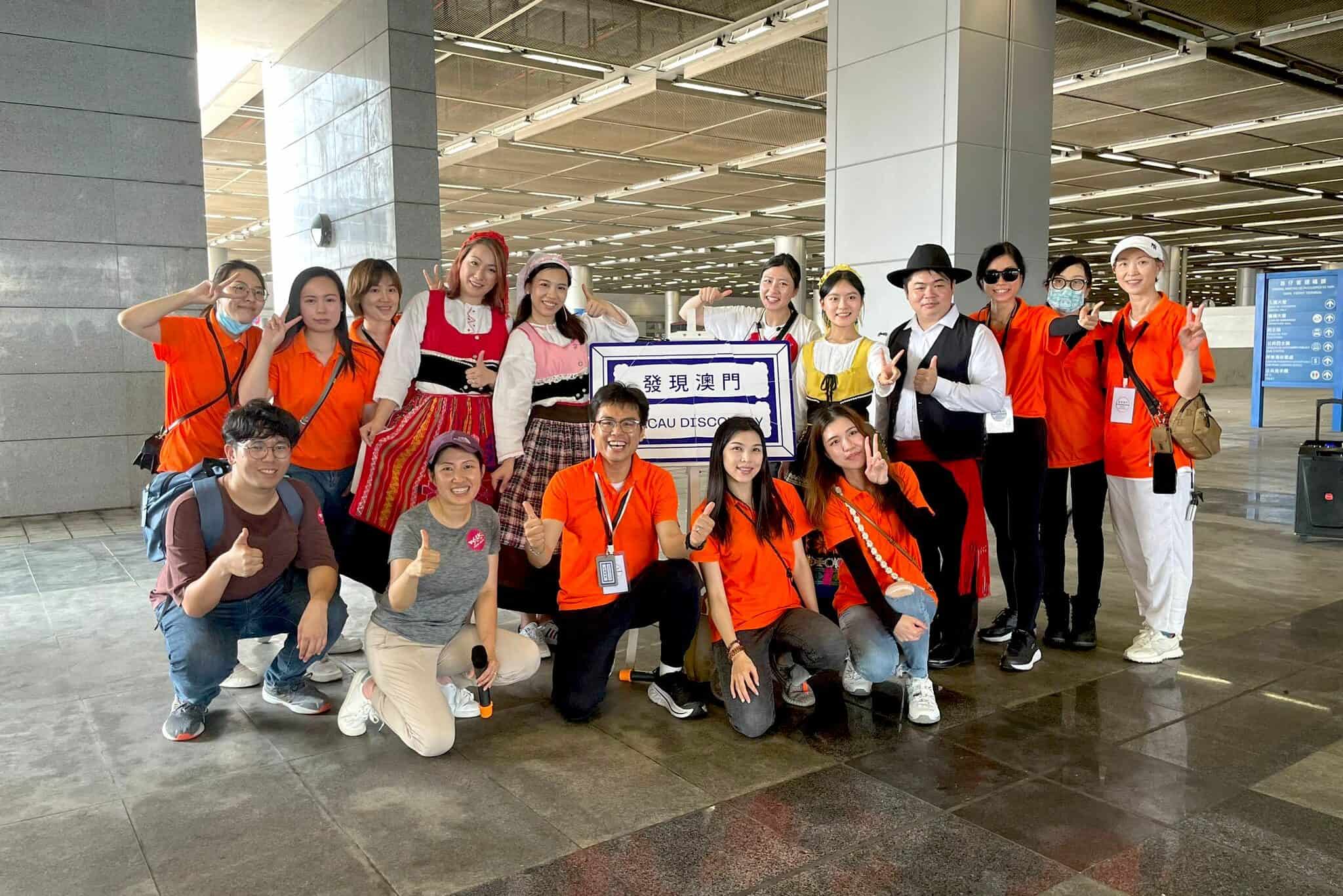
Step beyond boardrooms. Our curated community journeys invite your team to see, listen, and engage with the social fabric of Hong Kong.
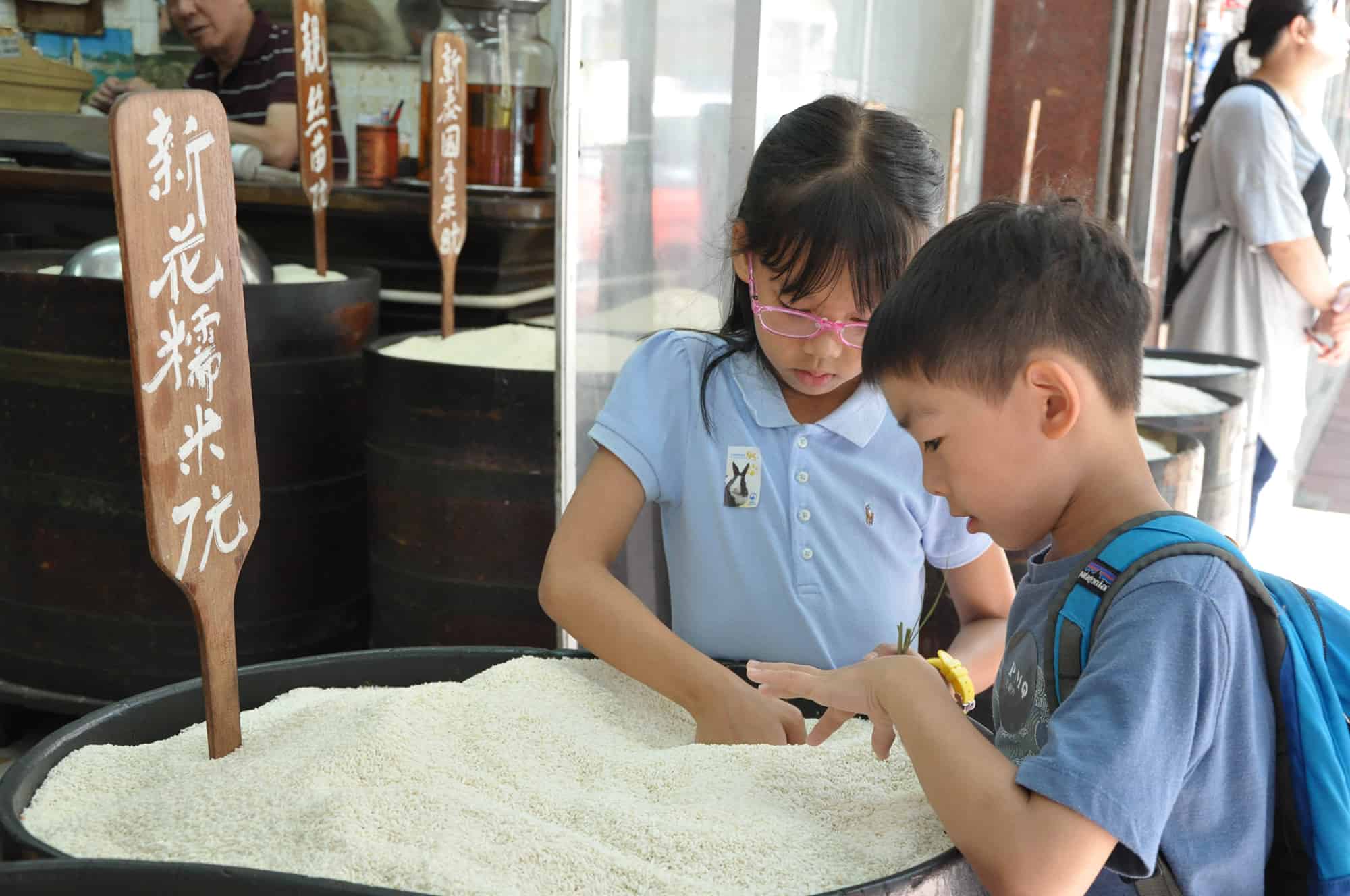
From awareness to action. Interactive workshops that spark empathy, strengthen dialogue, and turn shared values into collective impact.
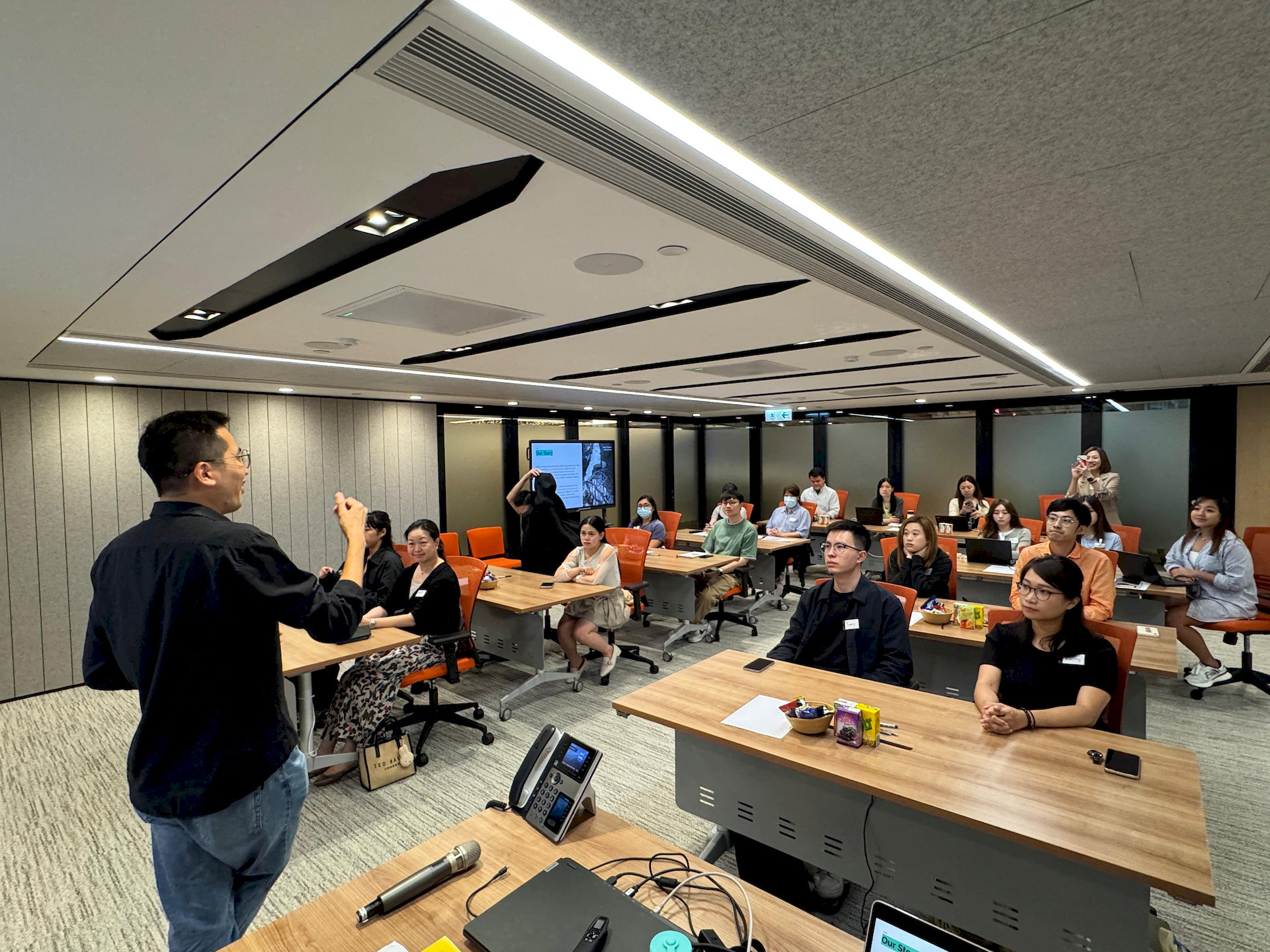
Lead with purpose. Experiential training that builds conscious communicators, socially aware leaders, and teams ready to create change.
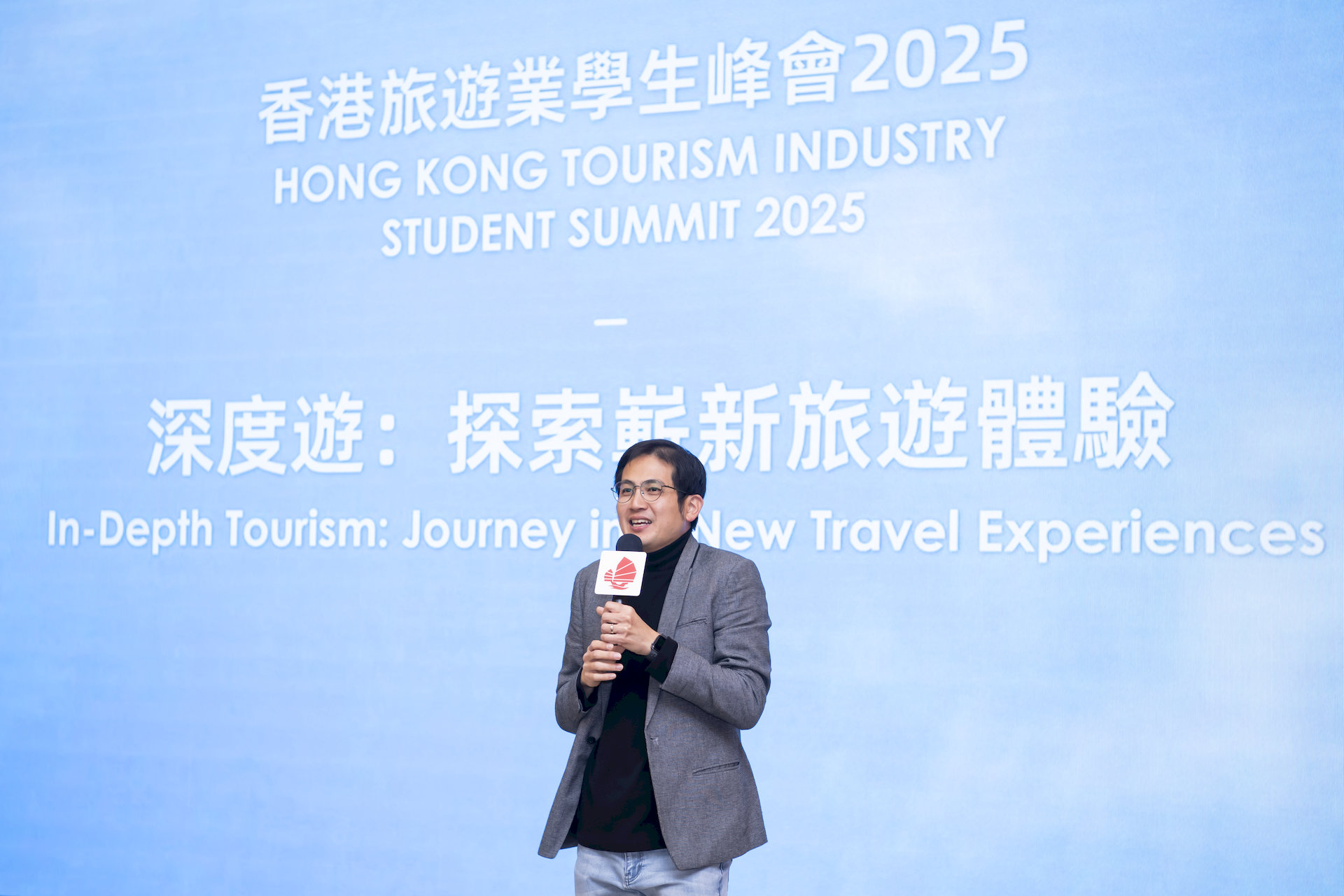
Stories that move people. Thought-provoking talks that bridge business, humanity, and the future we want to build together.
We also do custom tours. Have something specific in mind? You dream it, we create it. Get in touch.
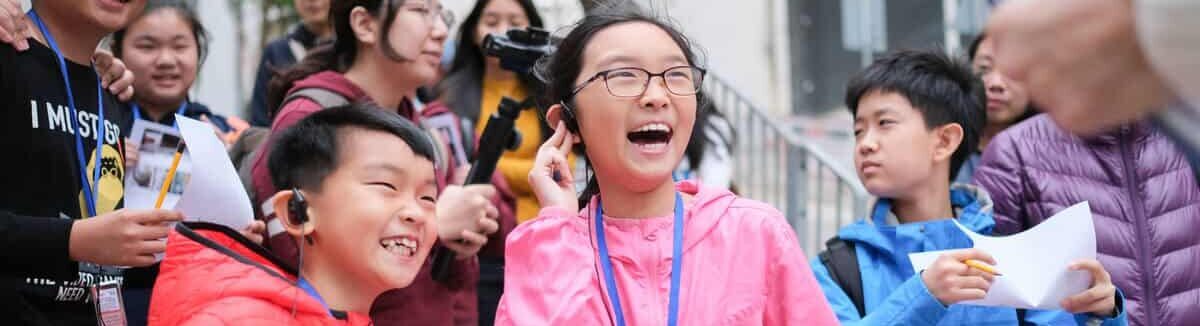
Learn how we support schools through experiential learning, fieldwork, and culturally grounded programmes.
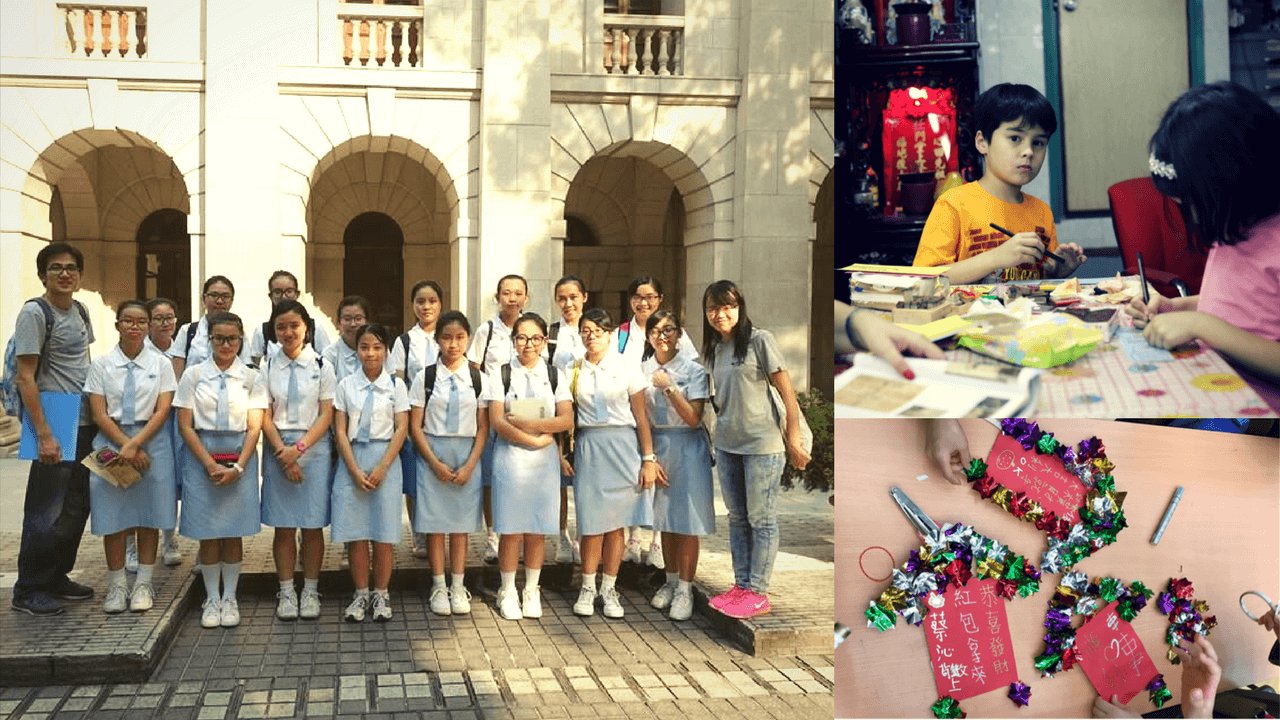
A showcase of student-centred projects bringing Hong Kong’s history and urban spaces to life.
Partner with us to create meaningful cultural experiences, education programmes, and community projects.
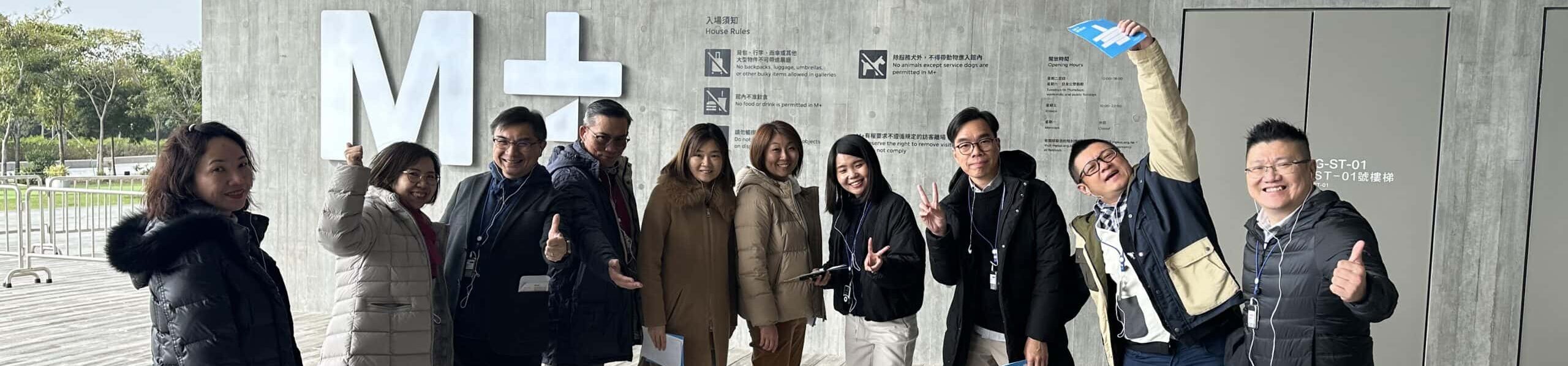
Elevate your brand, drive social impact, and transform teams with our story-driven corporate programs.
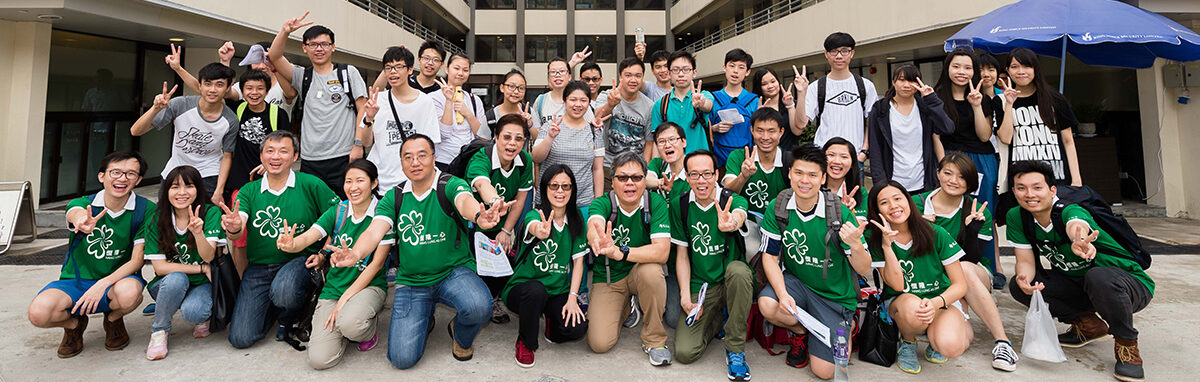
Case studies of bespoke corporate collaborations bringing Hong Kong’s stories to life through innovative programmes.
Partner with us to create meaningful cultural experiences, education programmes, and community projects.
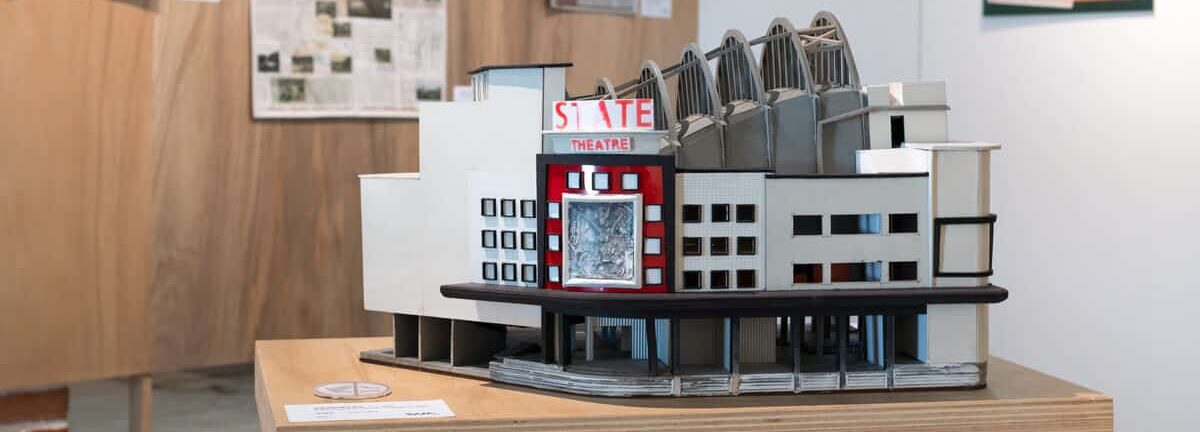
Projects rooted in local collaboration, public engagement, and community-led storytelling.
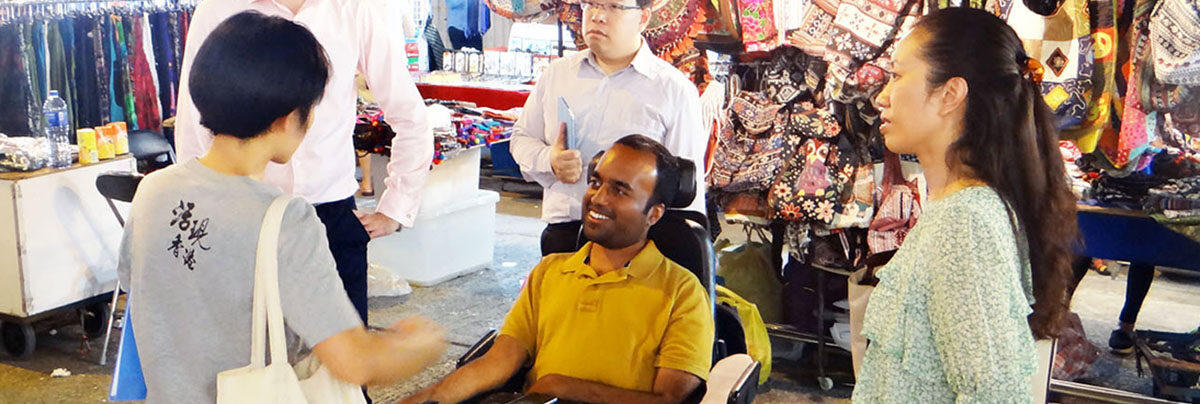
See how we collaborate with local partners through storytelling, place-making, and cultural participation.
Partner with us to create meaningful cultural experiences, education programmes, and community projects.
 繁
繁

Walk the streets where history whispers and everyday life unfolds. Uncover hidden stories behind familiar landmarks and forgotten corners.
Create, taste, listen, and learn: hands-on cultural encounters that invite you to experience Hong Kong with all your senses.
Sharpen your storytelling and communication skills through immersive, experience-led learning rooted in the city itself.
Stories that provoke thought, challenge assumptions, and deepen your understanding of Hong Kong’s layered identity.
We also do custom tours. Have something specific in mind? You dream it, we create it. Get in touch.
We turn Hong Kong into a living classroom, where syllabus meets streets, and theory meets lived reality.
Explore beyond the textbook. Explore Intangible Cultural Heritage (ICH), field study, and integrated tour-workshops designed for hands-on, active discovery.
Inquiry in action. Students interpret sources, debate perspectives, conduct their own interviews, and build their own narratives.
From knowledge to voice. We train students to communicate ideas with clarity, confidence, and purpose.
We also do custom tours. Have something specific in mind? You dream it, we create it. Get in touch.
Step beyond boardrooms. Our curated community journeys invite your team to see, listen, and engage with the social fabric of Hong Kong.
From awareness to action. Interactive workshops that spark empathy, strengthen dialogue, and turn shared values into collective impact.
Lead with purpose. Experiential training that builds conscious communicators, socially aware leaders, and teams ready to create change.
Stories that move people. Thought-provoking talks that bridge business, humanity, and the future we want to build together.
We also do custom tours. Have something specific in mind? You dream it, we create it. Get in touch.
Learn how we support schools through experiential learning, fieldwork, and culturally grounded programmes.
A showcase of student-centred projects bringing Hong Kong’s history and urban spaces to life.
Partner with us to create meaningful cultural experiences, education programmes, and community projects.
Elevate your brand, drive social impact, and transform teams with our story-driven corporate programs.
Case studies of bespoke corporate collaborations bringing Hong Kong’s stories to life through innovative programmes.
Partner with us to create meaningful cultural experiences, education programmes, and community projects.
Projects rooted in local collaboration, public engagement, and community-led storytelling.
See how we collaborate with local partners through storytelling, place-making, and cultural participation.
Partner with us to create meaningful cultural experiences, education programmes, and community projects.
Walk the streets where history whispers and everyday life unfolds. Uncover hidden stories behind familiar landmarks and forgotten corners.
Create, taste, listen, and learn: hands-on cultural encounters that invite you to experience Hong Kong with all your senses.
Sharpen your storytelling and communication skills through immersive, experience-led learning rooted in the city itself.
Stories that provoke thought, challenge assumptions, and deepen your understanding of Hong Kong’s layered identity.
We also do custom tours. Have something specific in mind? You dream it, we create it. Get in touch.
We turn Hong Kong into a living classroom, where syllabus meets streets, and theory meets lived reality.
Explore beyond the textbook. Explore Intangible Cultural Heritage (ICH), field study, and integrated tour-workshops designed for hands-on, active discovery.
Inquiry in action. Students interpret sources, debate perspectives, conduct their own interviews, and build their own narratives.
From knowledge to voice. We train students to communicate ideas with clarity, confidence, and purpose.
We also do custom tours. Have something specific in mind? You dream it, we create it. Get in touch.
Step beyond boardrooms. Our curated community journeys invite your team to see, listen, and engage with the social fabric of Hong Kong.
From awareness to action. Interactive workshops that spark empathy, strengthen dialogue, and turn shared values into collective impact.
Lead with purpose. Experiential training that builds conscious communicators, socially aware leaders, and teams ready to create change.
Stories that move people. Thought-provoking talks that bridge business, humanity, and the future we want to build together.
We also do custom tours. Have something specific in mind? You dream it, we create it. Get in touch.
Learn how we support schools through experiential learning, fieldwork, and culturally grounded programmes.
A showcase of student-centred projects bringing Hong Kong’s history and urban spaces to life.
Partner with us to create meaningful cultural experiences, education programmes, and community projects.
Elevate your brand, drive social impact, and transform teams with our story-driven corporate programs.
Case studies of bespoke corporate collaborations bringing Hong Kong’s stories to life through innovative programmes.
Partner with us to create meaningful cultural experiences, education programmes, and community projects.
Projects rooted in local collaboration, public engagement, and community-led storytelling.
See how we collaborate with local partners through storytelling, place-making, and cultural participation.
Partner with us to create meaningful cultural experiences, education programmes, and community projects.
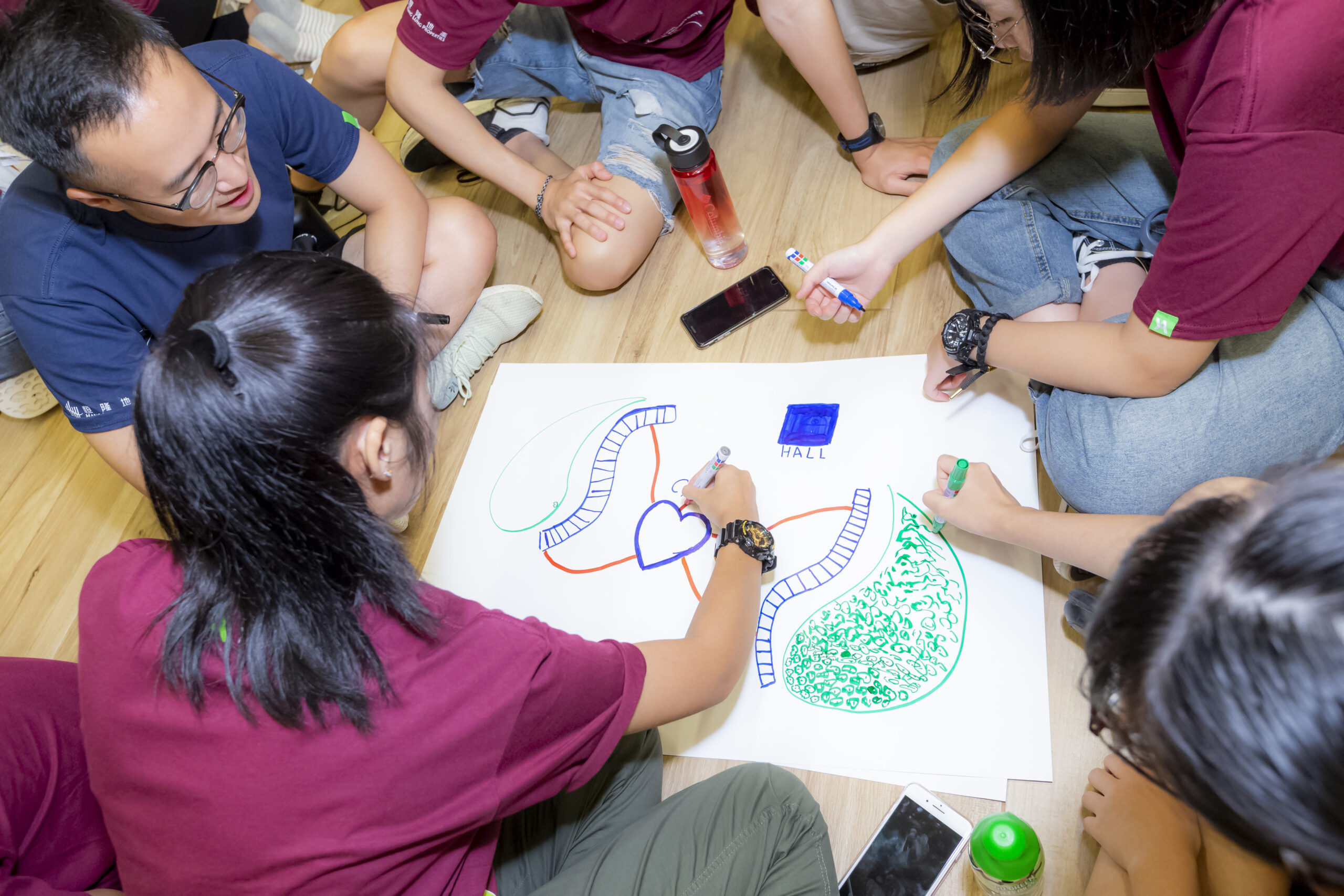
Guiding students from theme-building and field exploration to creating and sharing a community map filled with local stories and identity.
 Indoor Activities
 60 minutes each
Topic 1: Introduction to Cultural Mapping
This session introduces students to the concept of cultural mapping through accessible community map examples. Participants will learn what a “community map” is, why cultural mapping matters, and how maps can reveal hidden layers of heritage, memory, and local life beyond physical geography. The module highlights the purpose and key elements of creating meaningful cultural maps.
Topic 2: Theme Development and Research Skills
A meaningful cultural map begins with a clear theme and well-chosen information. In this module, students will learn how to define an overarching topic, explore different research sources, and practise more precise data-collection techniques. Participants will also develop skills in evaluating information quality and selecting an appropriate map style that matches their theme and storytelling direction.
Topic 3: Field Observation and Community Exploration
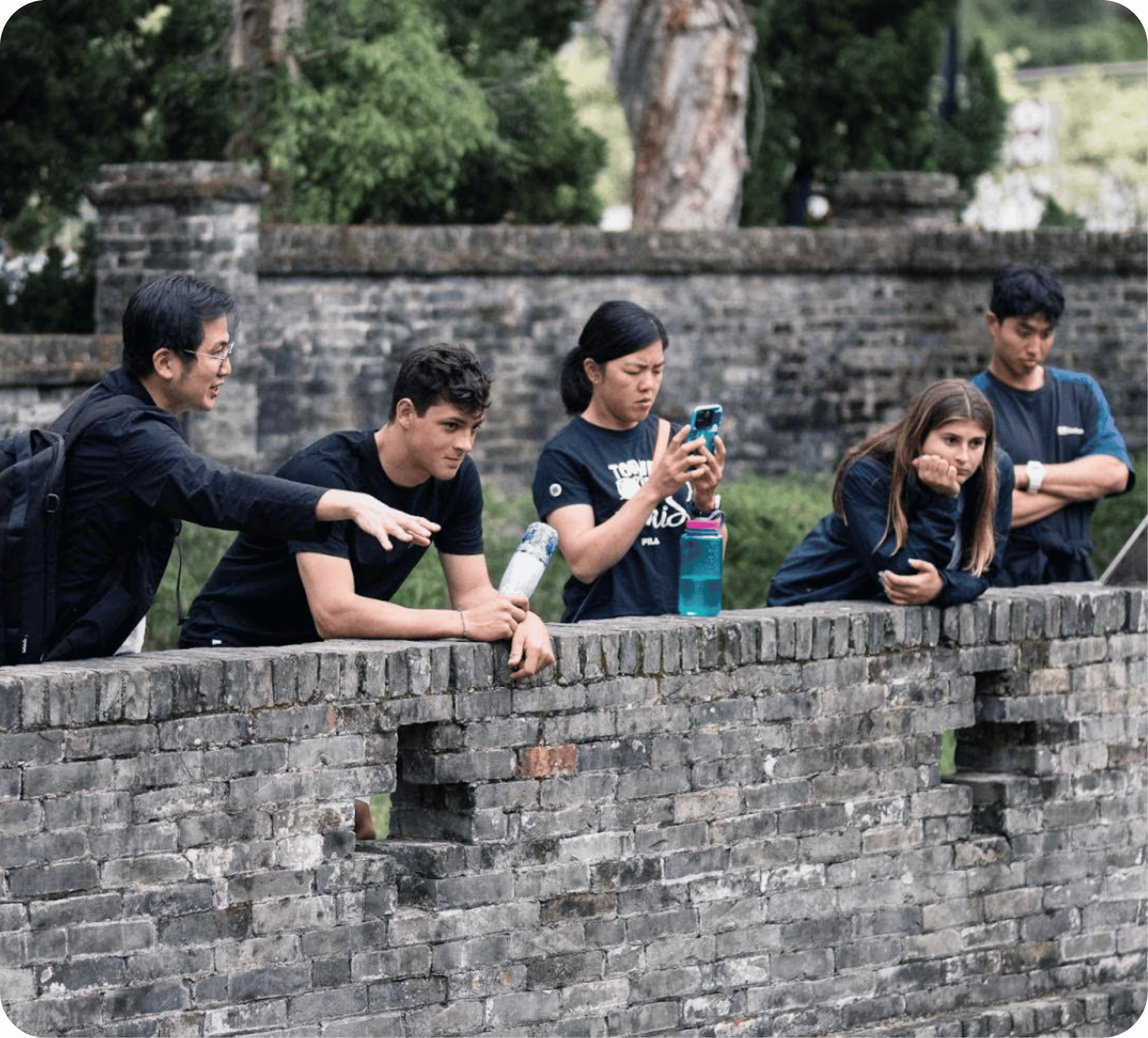
Cultural mapping is rooted in real places and lived experiences. This module trains students to conduct fieldwork by observing neighbourhood characteristics, identifying cultural landmarks, and gathering first-hand materials such as shop interviews, on-site photos, and sensory impressions. Students will learn how to notice details that bring a community’s identity to life.
Topic 4: Organising Data and Map-Making Techniques
After fieldwork, students must learn how to organise their findings into clear, usable mapping content. This module introduces practical methods for sorting information, identifying key themes, and presenting cultural data visually. Participants will also learn foundational map-making techniques that help turn raw materials into coherent cultural narratives.
Topic 5: Map Creation and Group Sharing
In the final module, students will complete their cultural maps and present them within their groups. Through structured sharing and peer feedback, participants will learn how different perspectives enrich mapping outcomes. This session encourages reflection, collaboration, and improvement, turning map-making into a meaningful collective storytelling process.


Topic 1: Introduction to Cultural Mapping
Topic 2: Theme Development and Research Skills
Topic 3: Field Observation and Community Exploration
Topic 4: Organising Data and Map-Making Techniques
Topic 5: Map Creation and Group Sharing