Experiences explained
Journeys into the soul of Hong Kong. Each experience is crafted to reveal the city through stories, people, and moments you won’t find in guidebooks.
Begin here
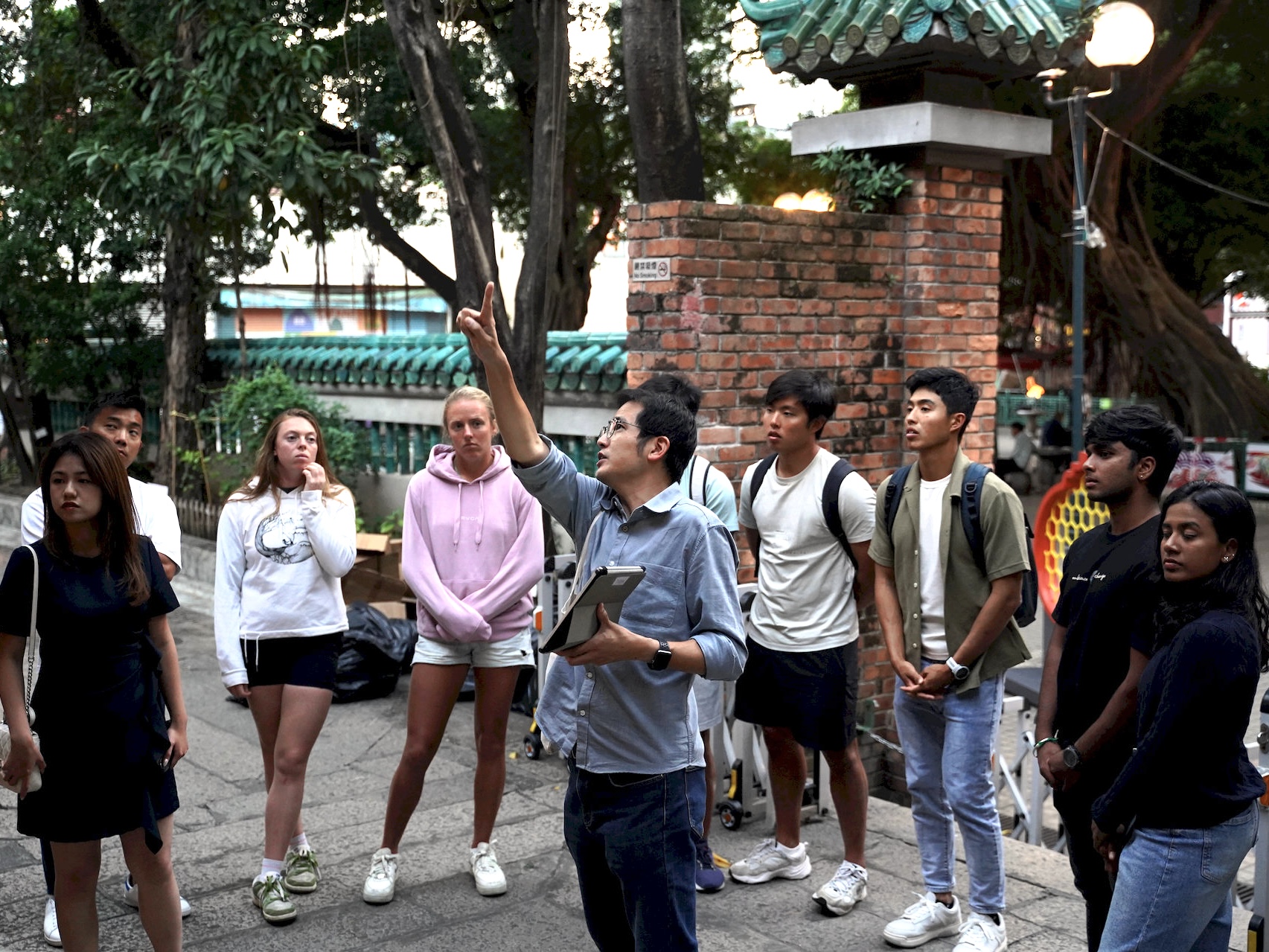
Walk the streets where history whispers and everyday life unfolds. Uncover hidden stories behind familiar landmarks and forgotten corners.
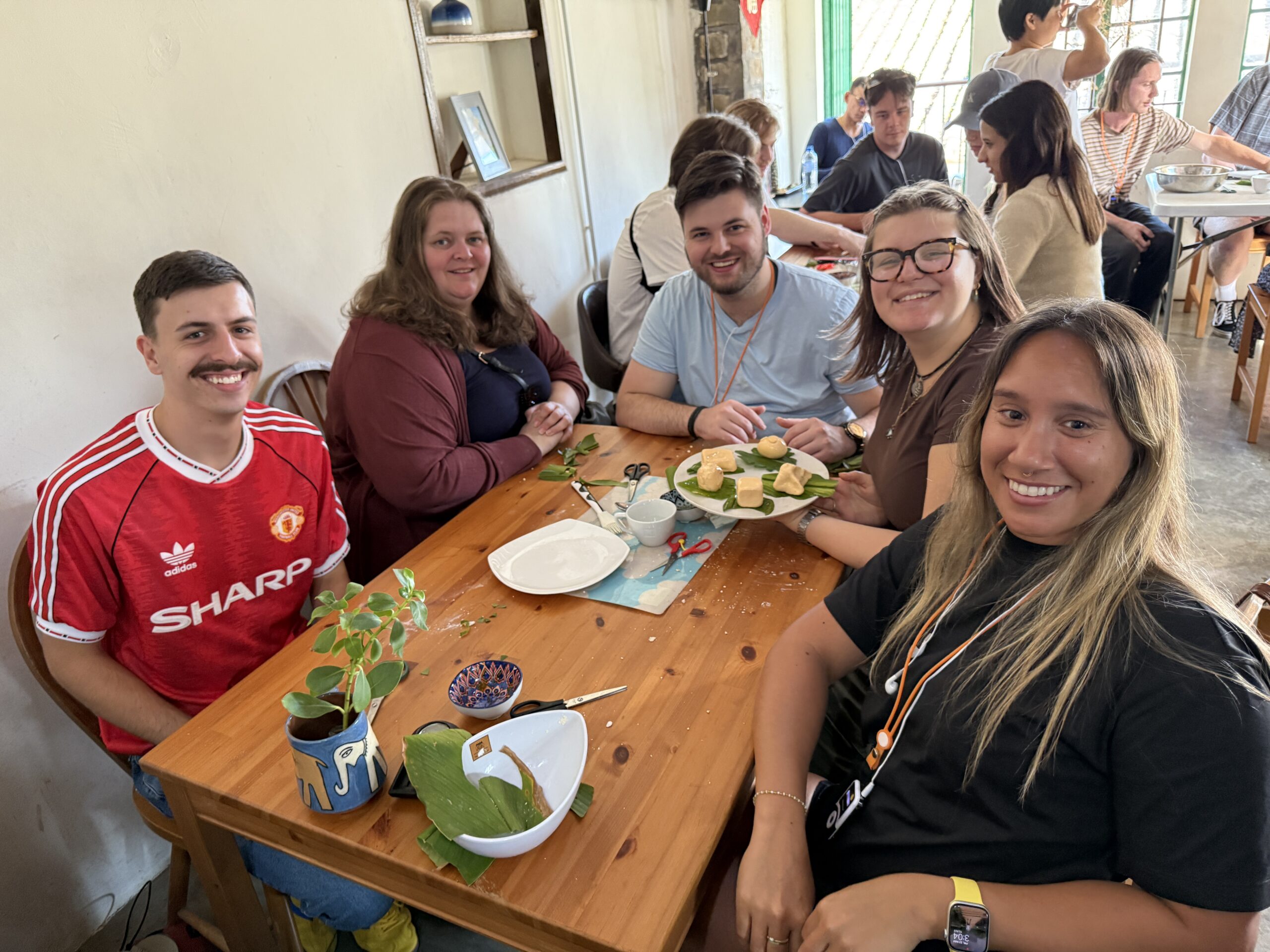
Create, taste, listen, and learn: hands-on cultural encounters that invite you to experience Hong Kong with all your senses.
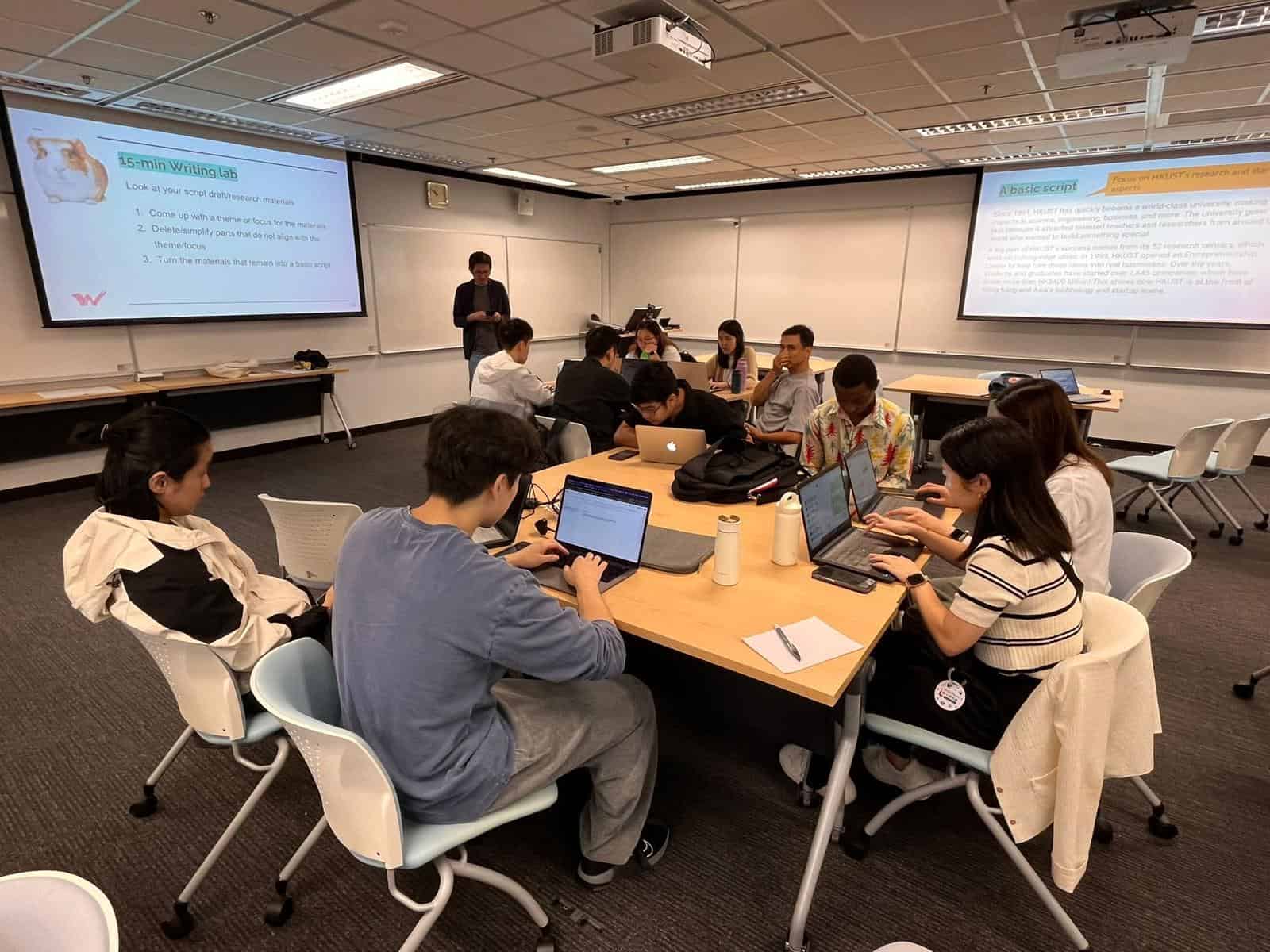
Sharpen your storytelling and communication skills through immersive, experience-led learning rooted in the city itself.
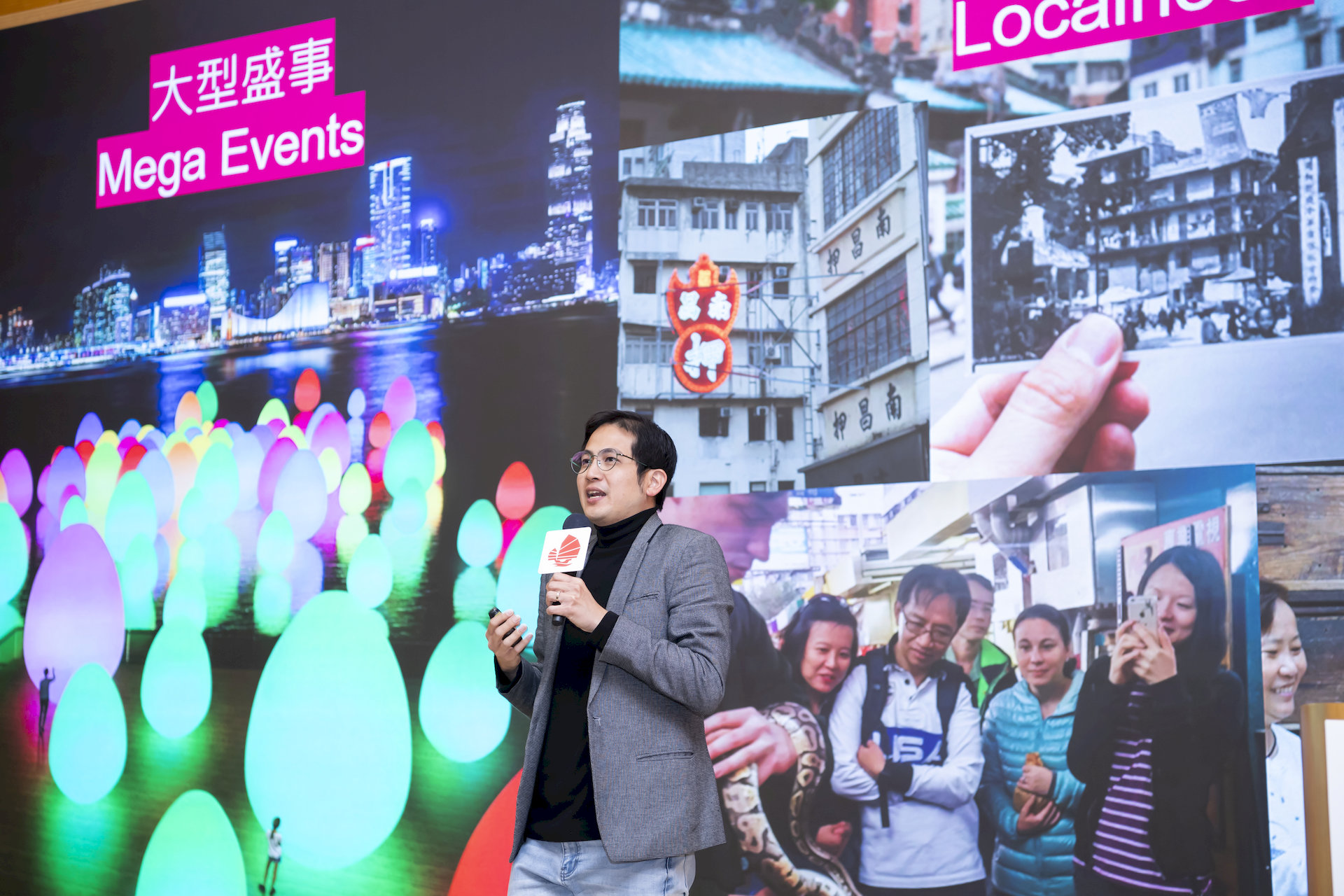
Stories that provoke thought, challenge assumptions, and deepen your understanding of Hong Kong’s layered identity.
We also do custom tours. Have something specific in mind? You dream it, we create it. Get in touch.
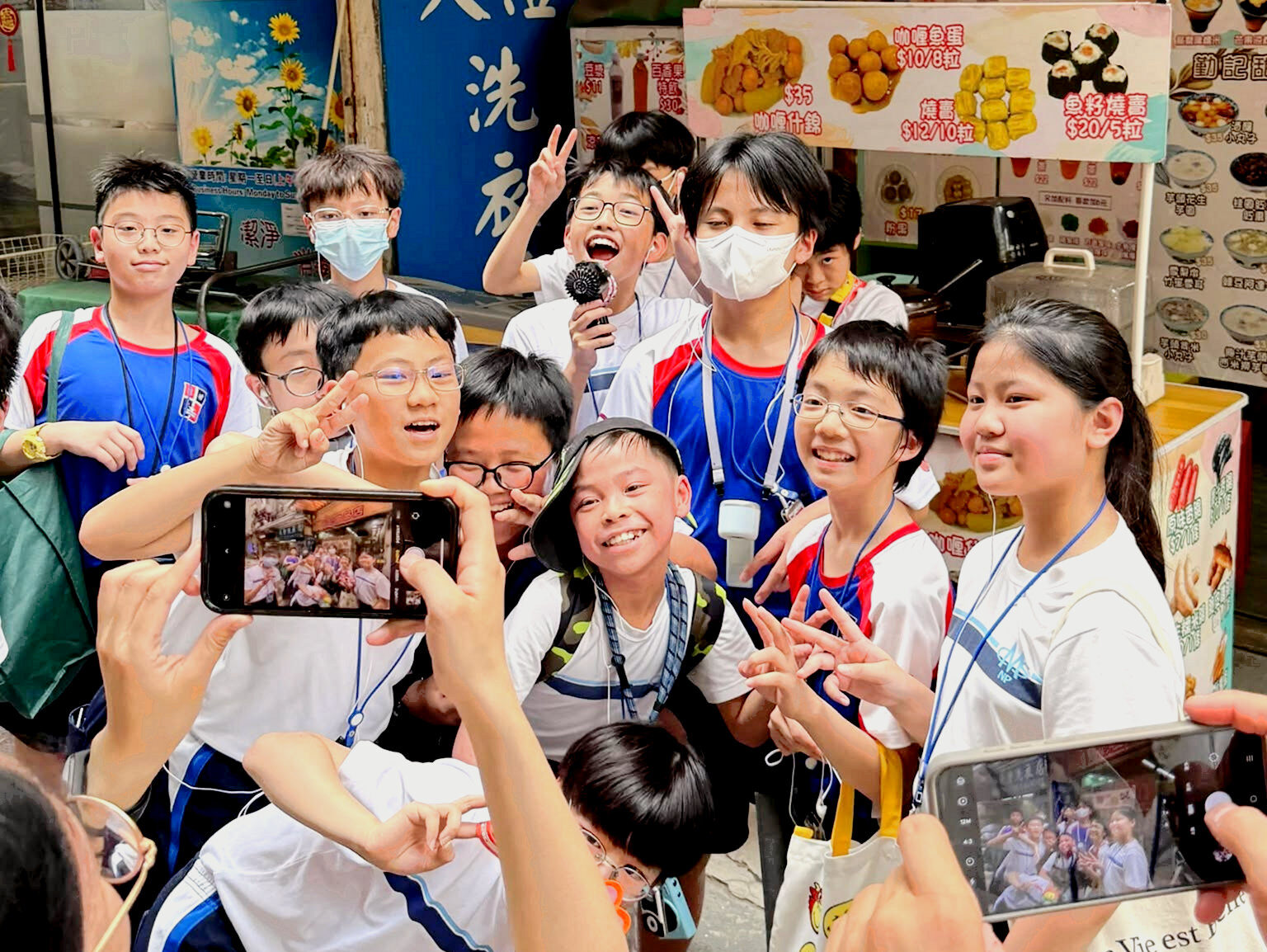
We turn Hong Kong into a living classroom, where syllabus meets streets, and theory meets lived reality.
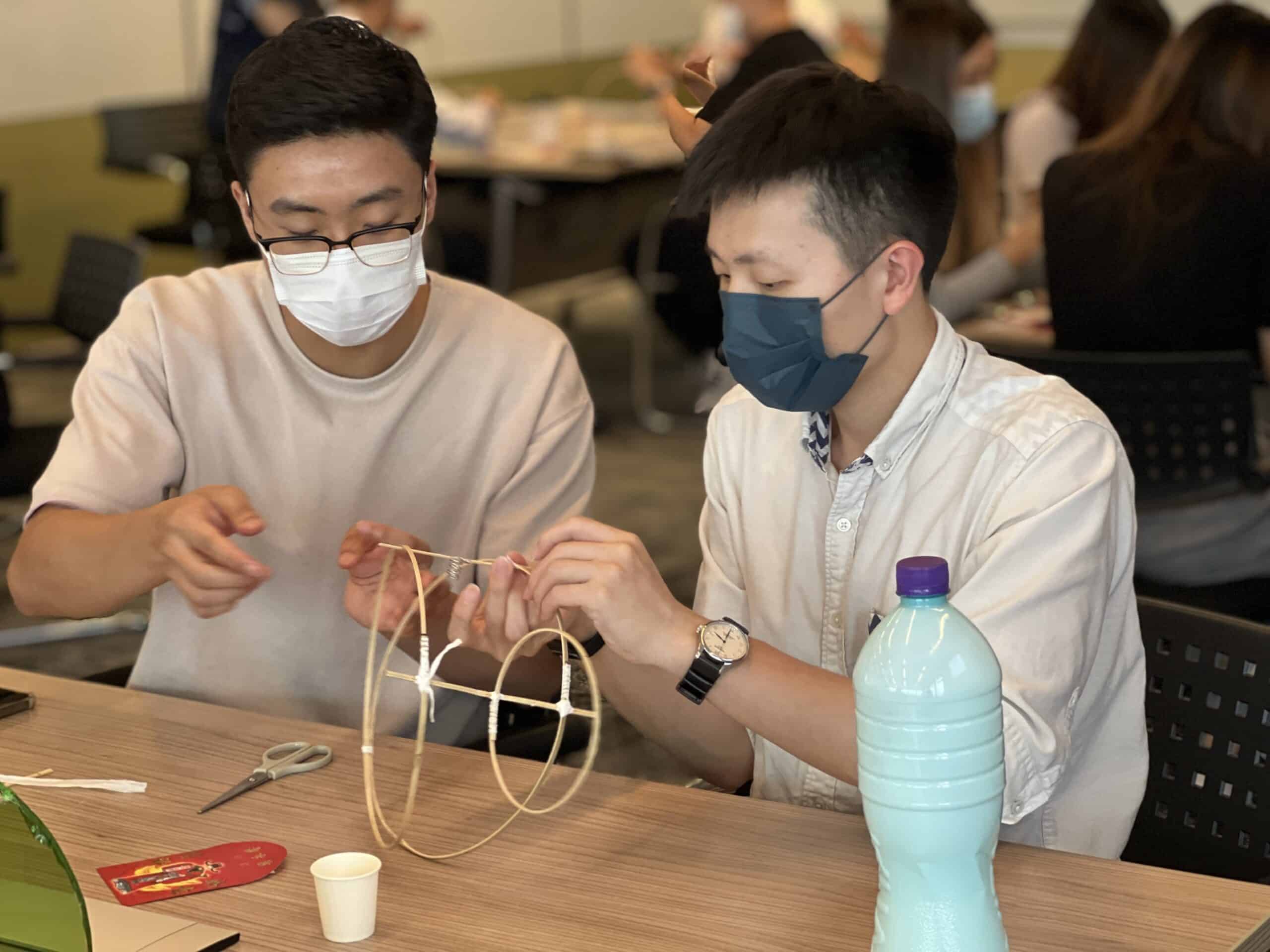
Explore beyond the textbook. Explore Intangible Cultural Heritage (ICH), field study, and integrated tour-workshops designed for hands-on, active discovery.
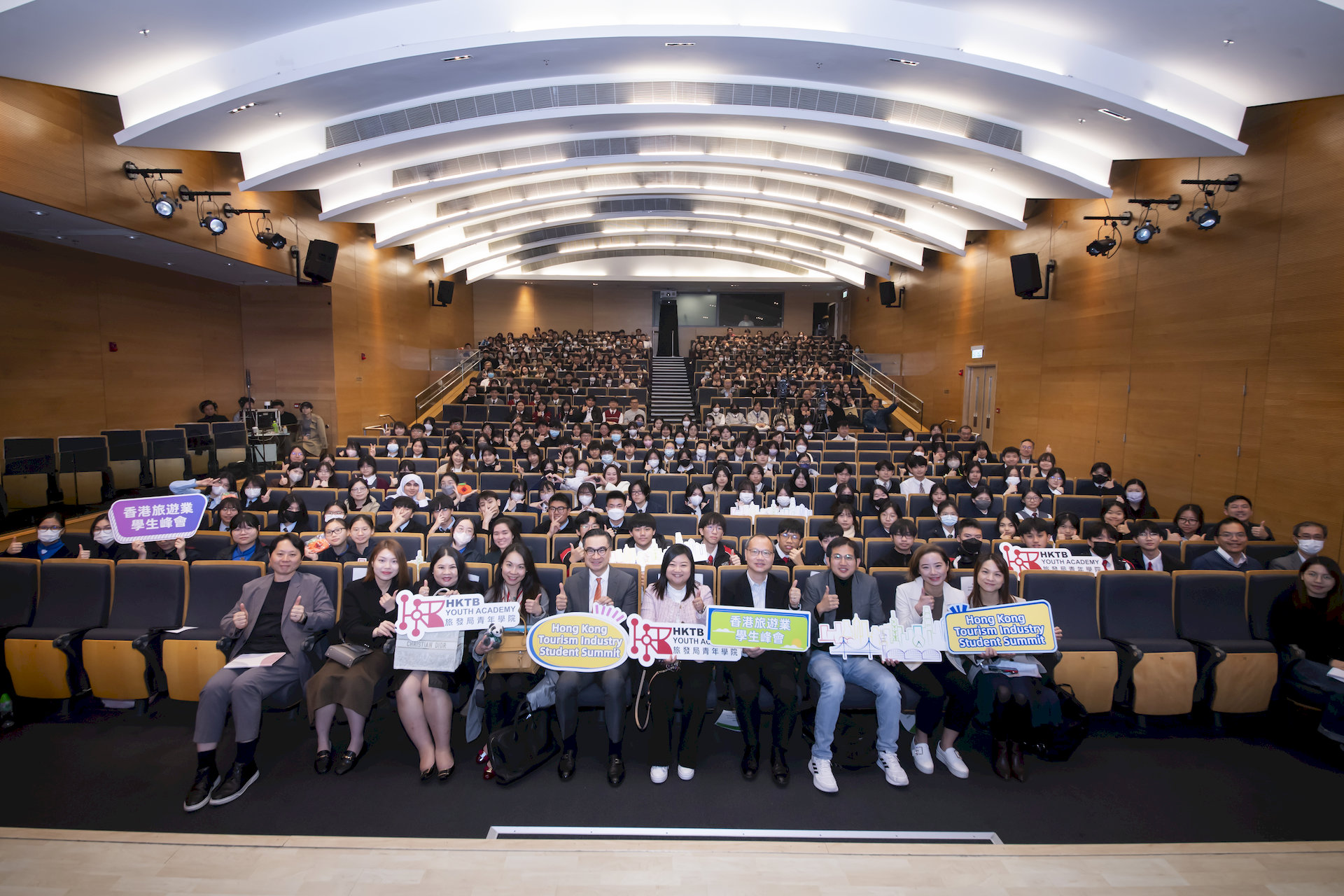
Inquiry in action. Students interpret sources, debate perspectives, conduct their own interviews, and build their own narratives.
From knowledge to voice. We train students to communicate ideas with clarity, confidence, and purpose.
We also do custom tours. Have something specific in mind? You dream it, we create it. Get in touch.
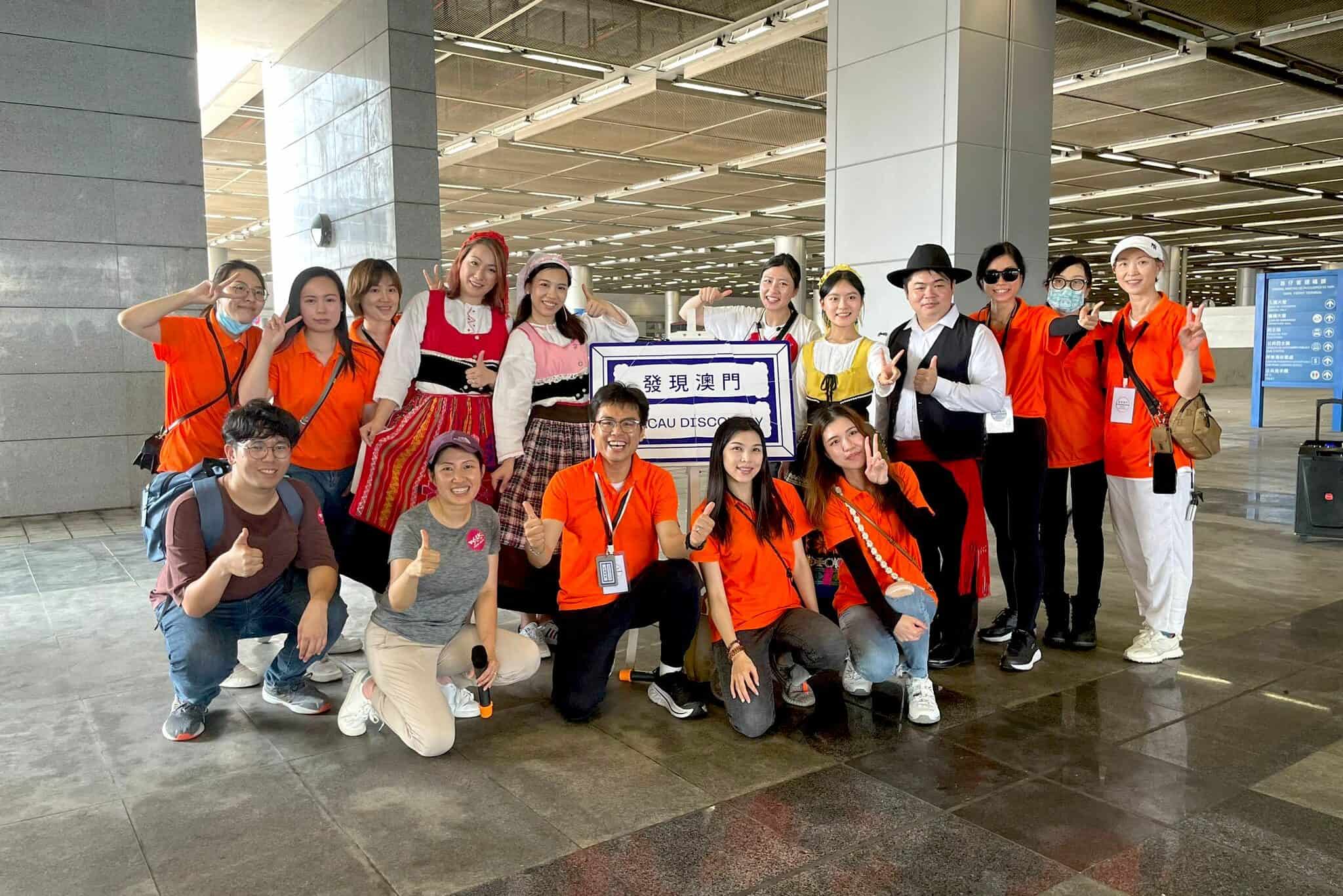
Step beyond boardrooms. Our curated community journeys invite your team to see, listen, and engage with the social fabric of Hong Kong.
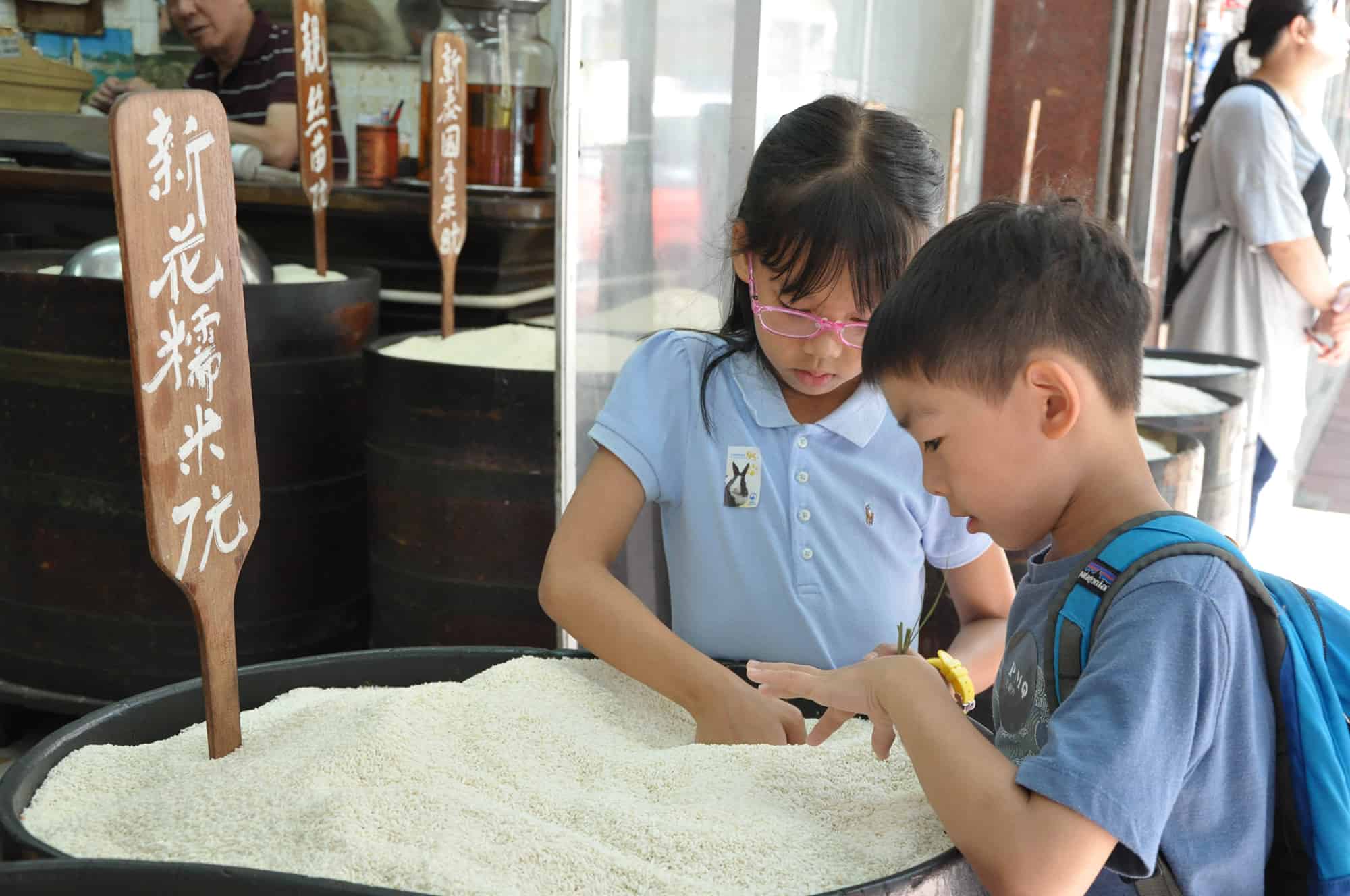
From awareness to action. Interactive workshops that spark empathy, strengthen dialogue, and turn shared values into collective impact.
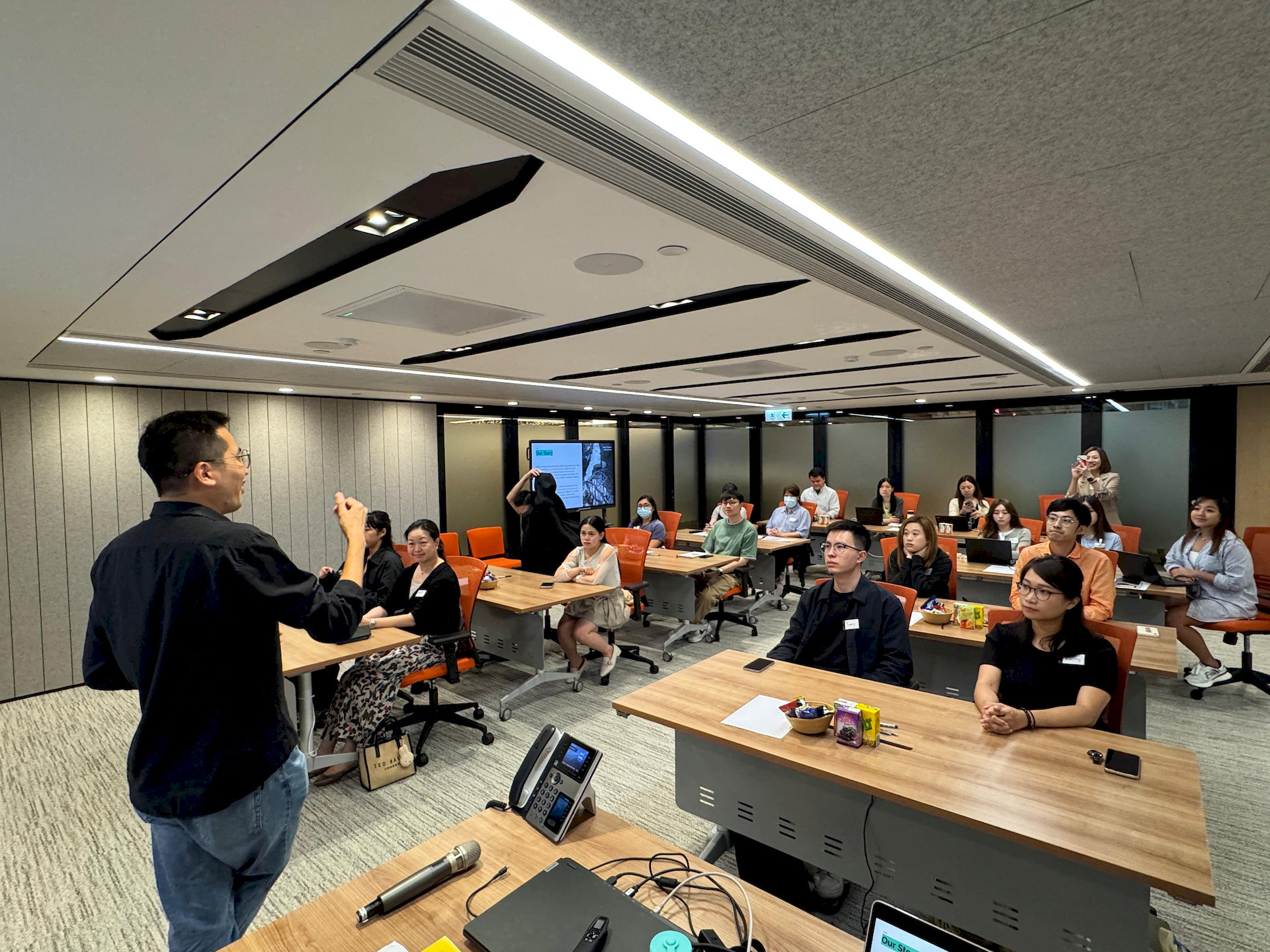
Lead with purpose. Experiential training that builds conscious communicators, socially aware leaders, and teams ready to create change.
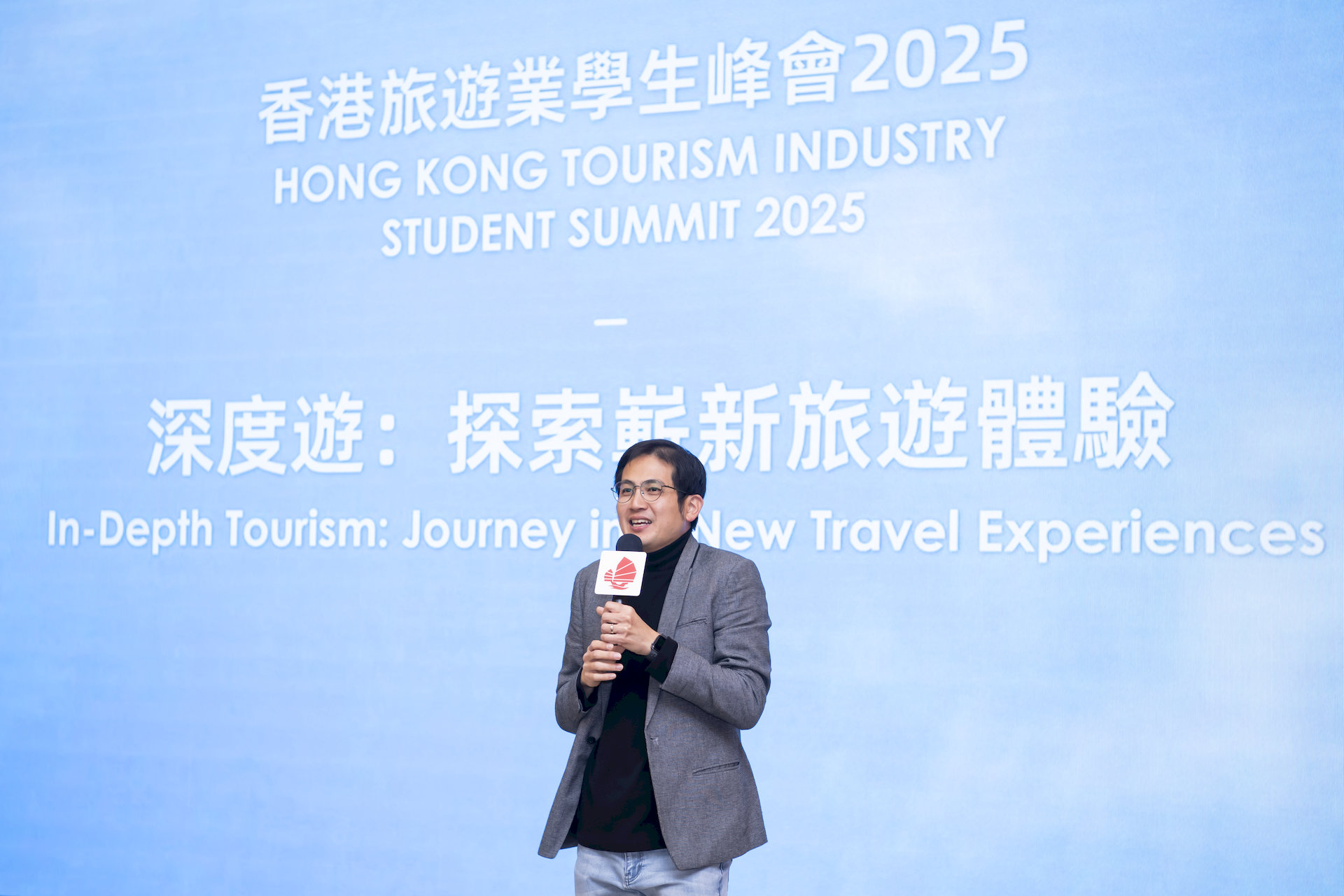
Stories that move people. Thought-provoking talks that bridge business, humanity, and the future we want to build together.
We also do custom tours. Have something specific in mind? You dream it, we create it. Get in touch.
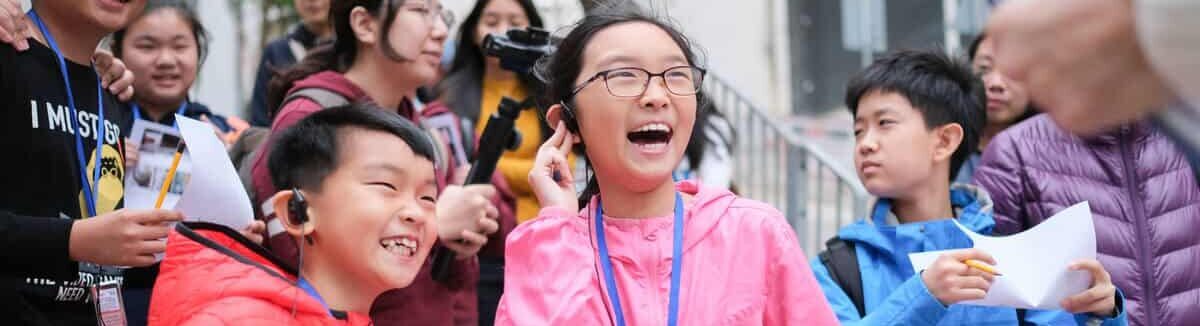
Learn how we support schools through experiential learning, fieldwork, and culturally grounded programmes.
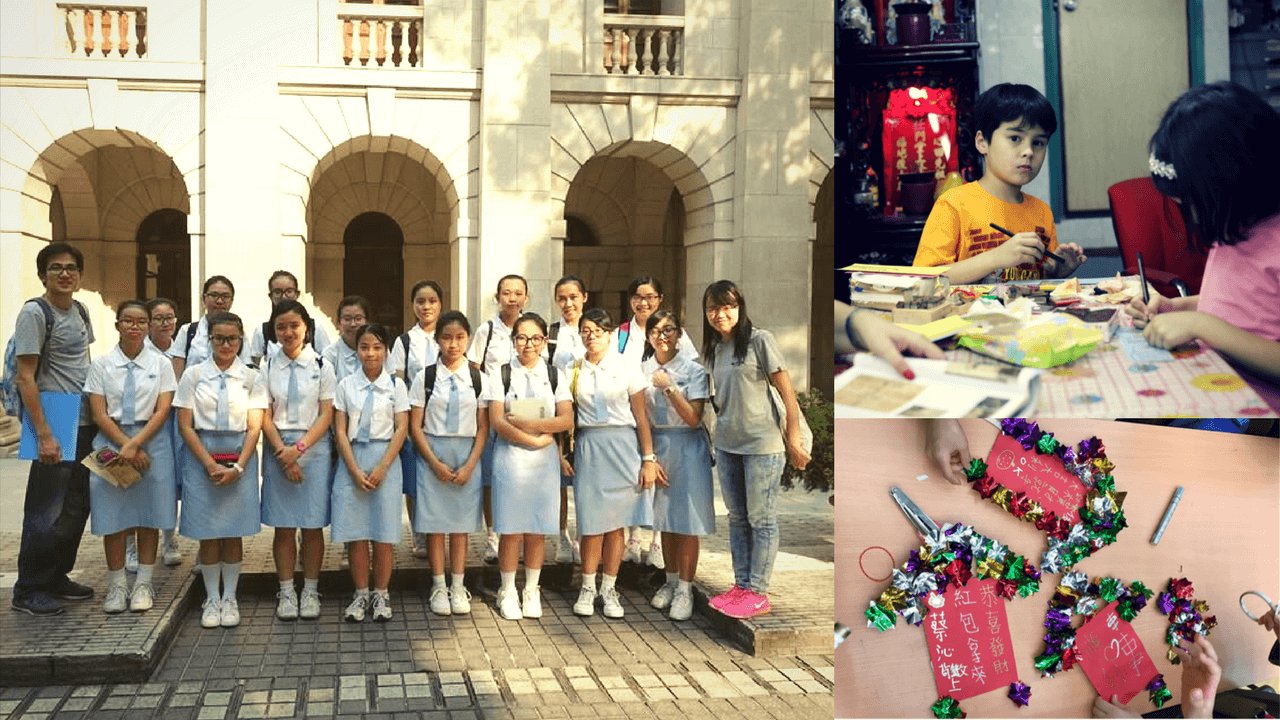
A showcase of student-centred projects bringing Hong Kong’s history and urban spaces to life.
Partner with us to create meaningful cultural experiences, education programmes, and community projects.
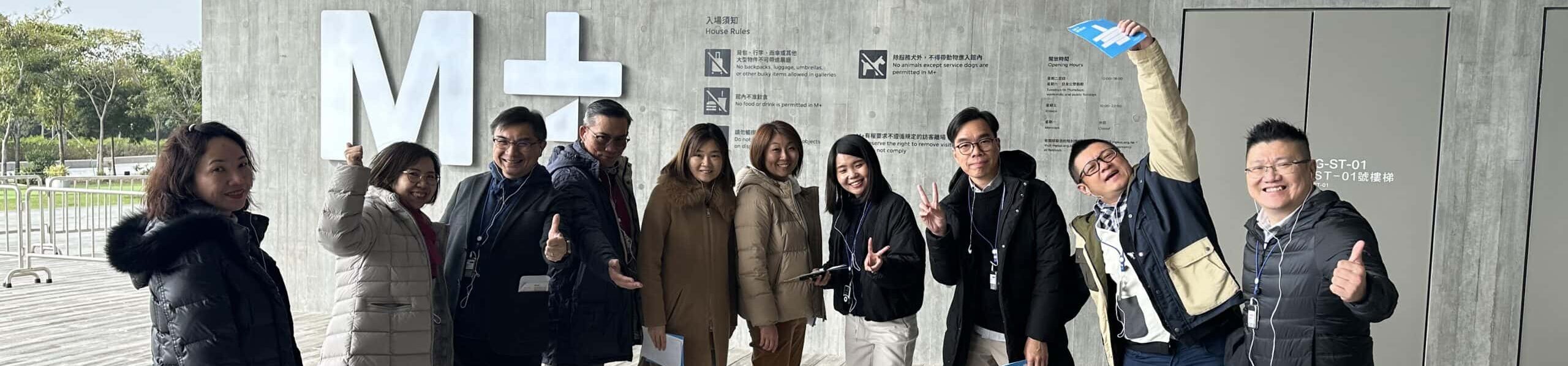
Elevate your brand, drive social impact, and transform teams with our story-driven corporate programs.
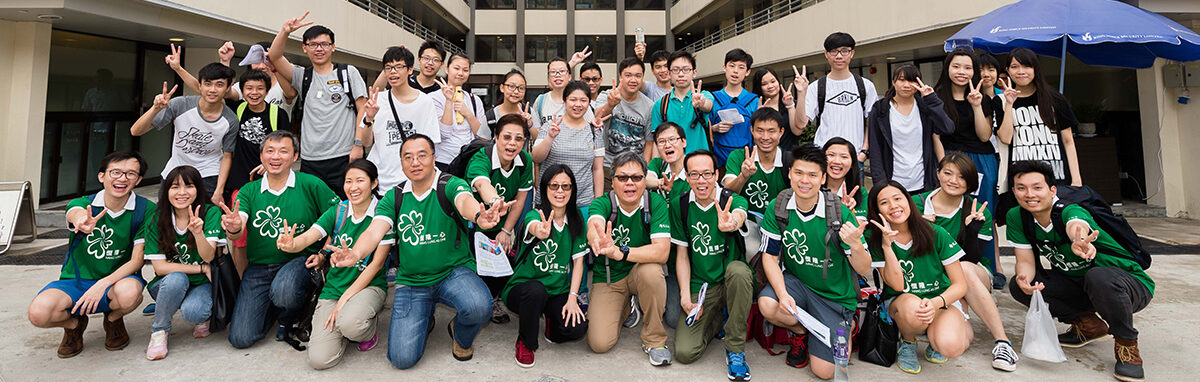
Case studies of bespoke corporate collaborations bringing Hong Kong’s stories to life through innovative programmes.
Partner with us to create meaningful cultural experiences, education programmes, and community projects.
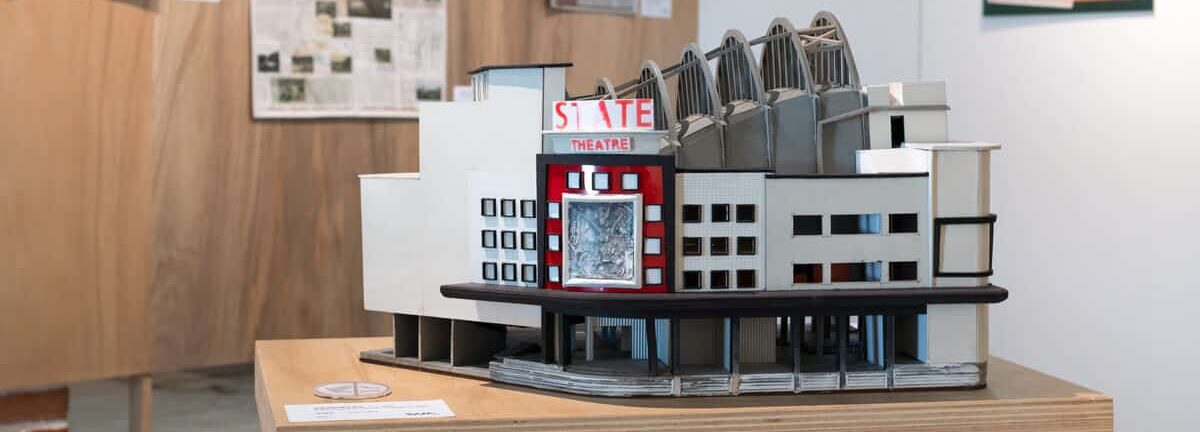
Projects rooted in local collaboration, public engagement, and community-led storytelling.
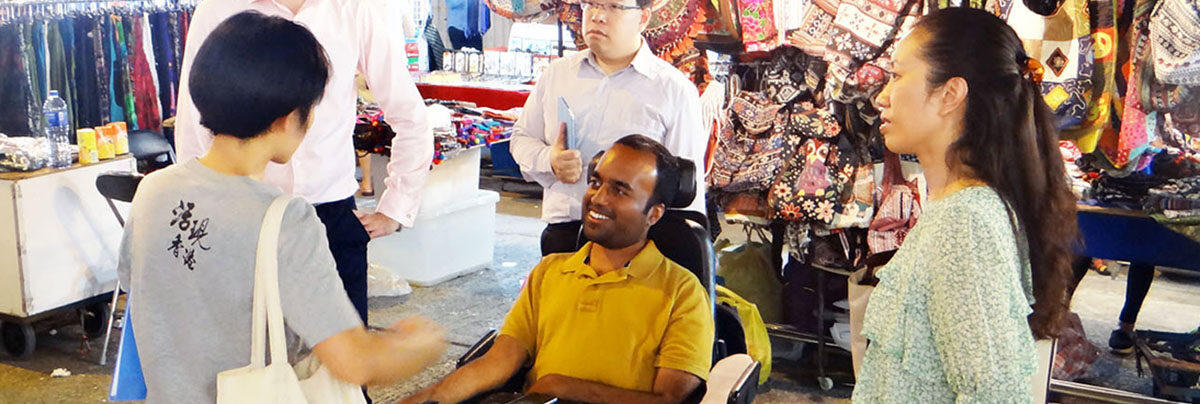
See how we collaborate with local partners through storytelling, place-making, and cultural participation.
Partner with us to create meaningful cultural experiences, education programmes, and community projects.
 繁
繁

Walk the streets where history whispers and everyday life unfolds. Uncover hidden stories behind familiar landmarks and forgotten corners.
Create, taste, listen, and learn: hands-on cultural encounters that invite you to experience Hong Kong with all your senses.
Sharpen your storytelling and communication skills through immersive, experience-led learning rooted in the city itself.
Stories that provoke thought, challenge assumptions, and deepen your understanding of Hong Kong’s layered identity.
We also do custom tours. Have something specific in mind? You dream it, we create it. Get in touch.
We turn Hong Kong into a living classroom, where syllabus meets streets, and theory meets lived reality.
Explore beyond the textbook. Explore Intangible Cultural Heritage (ICH), field study, and integrated tour-workshops designed for hands-on, active discovery.
Inquiry in action. Students interpret sources, debate perspectives, conduct their own interviews, and build their own narratives.
From knowledge to voice. We train students to communicate ideas with clarity, confidence, and purpose.
We also do custom tours. Have something specific in mind? You dream it, we create it. Get in touch.
Step beyond boardrooms. Our curated community journeys invite your team to see, listen, and engage with the social fabric of Hong Kong.
From awareness to action. Interactive workshops that spark empathy, strengthen dialogue, and turn shared values into collective impact.
Lead with purpose. Experiential training that builds conscious communicators, socially aware leaders, and teams ready to create change.
Stories that move people. Thought-provoking talks that bridge business, humanity, and the future we want to build together.
We also do custom tours. Have something specific in mind? You dream it, we create it. Get in touch.
Learn how we support schools through experiential learning, fieldwork, and culturally grounded programmes.
A showcase of student-centred projects bringing Hong Kong’s history and urban spaces to life.
Partner with us to create meaningful cultural experiences, education programmes, and community projects.
Elevate your brand, drive social impact, and transform teams with our story-driven corporate programs.
Case studies of bespoke corporate collaborations bringing Hong Kong’s stories to life through innovative programmes.
Partner with us to create meaningful cultural experiences, education programmes, and community projects.
Projects rooted in local collaboration, public engagement, and community-led storytelling.
See how we collaborate with local partners through storytelling, place-making, and cultural participation.
Partner with us to create meaningful cultural experiences, education programmes, and community projects.
Walk the streets where history whispers and everyday life unfolds. Uncover hidden stories behind familiar landmarks and forgotten corners.
Create, taste, listen, and learn: hands-on cultural encounters that invite you to experience Hong Kong with all your senses.
Sharpen your storytelling and communication skills through immersive, experience-led learning rooted in the city itself.
Stories that provoke thought, challenge assumptions, and deepen your understanding of Hong Kong’s layered identity.
We also do custom tours. Have something specific in mind? You dream it, we create it. Get in touch.
We turn Hong Kong into a living classroom, where syllabus meets streets, and theory meets lived reality.
Explore beyond the textbook. Explore Intangible Cultural Heritage (ICH), field study, and integrated tour-workshops designed for hands-on, active discovery.
Inquiry in action. Students interpret sources, debate perspectives, conduct their own interviews, and build their own narratives.
From knowledge to voice. We train students to communicate ideas with clarity, confidence, and purpose.
We also do custom tours. Have something specific in mind? You dream it, we create it. Get in touch.
Step beyond boardrooms. Our curated community journeys invite your team to see, listen, and engage with the social fabric of Hong Kong.
From awareness to action. Interactive workshops that spark empathy, strengthen dialogue, and turn shared values into collective impact.
Lead with purpose. Experiential training that builds conscious communicators, socially aware leaders, and teams ready to create change.
Stories that move people. Thought-provoking talks that bridge business, humanity, and the future we want to build together.
We also do custom tours. Have something specific in mind? You dream it, we create it. Get in touch.
Learn how we support schools through experiential learning, fieldwork, and culturally grounded programmes.
A showcase of student-centred projects bringing Hong Kong’s history and urban spaces to life.
Partner with us to create meaningful cultural experiences, education programmes, and community projects.
Elevate your brand, drive social impact, and transform teams with our story-driven corporate programs.
Case studies of bespoke corporate collaborations bringing Hong Kong’s stories to life through innovative programmes.
Partner with us to create meaningful cultural experiences, education programmes, and community projects.
Projects rooted in local collaboration, public engagement, and community-led storytelling.
See how we collaborate with local partners through storytelling, place-making, and cultural participation.
Partner with us to create meaningful cultural experiences, education programmes, and community projects.
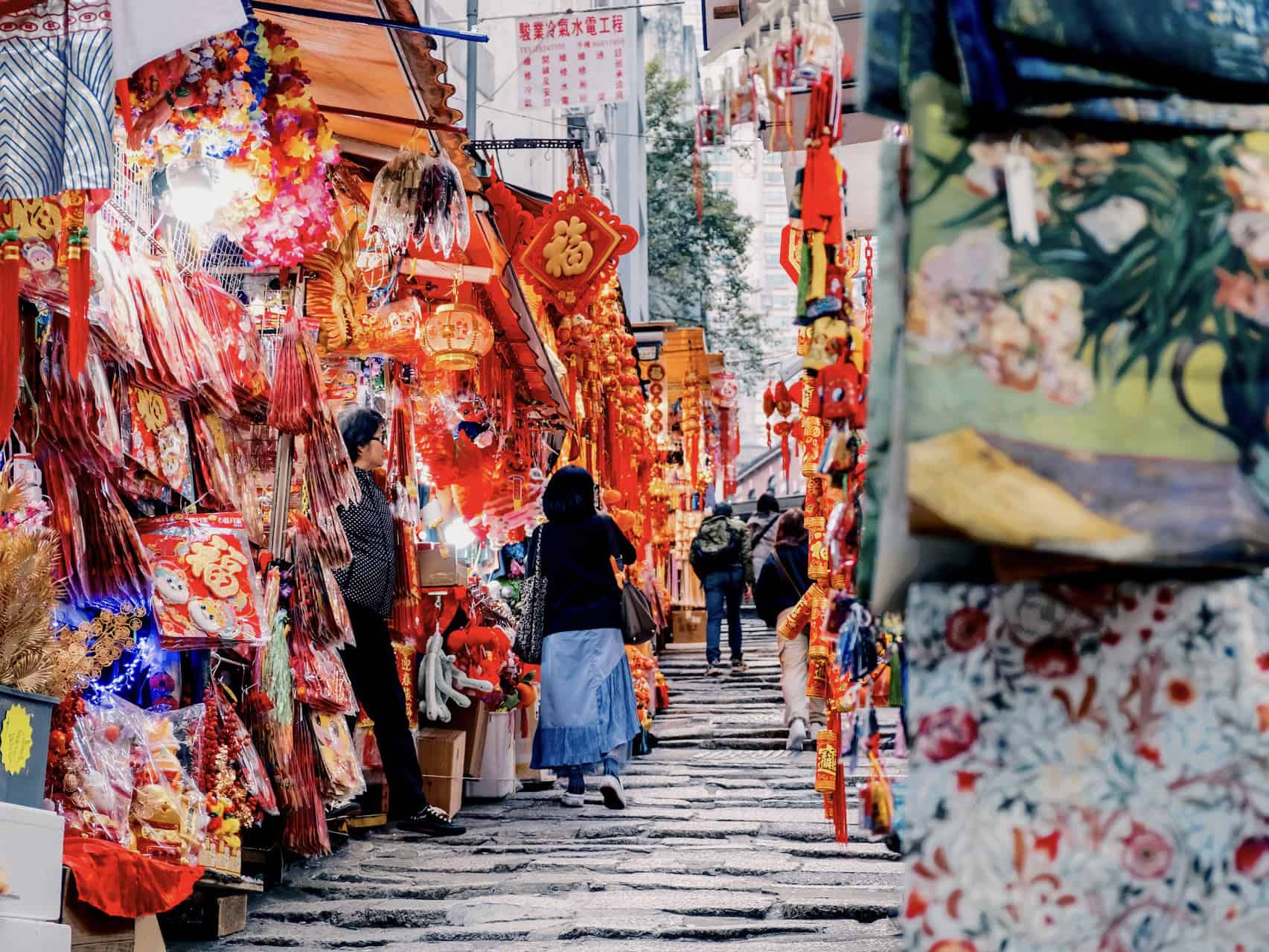
Travel through Central and Sheung Wan to learn about Hong Kong's history and architecture
 Central and Sheung Wan
 2 hours
Dive right into Hong Kong’s financial and commercial heart of Central, and weave among the skyscrapers to trendy yet traditional Sheung Wan. This tour is an insider’s guide to the city’s fascinating mishmash of the old and the new.
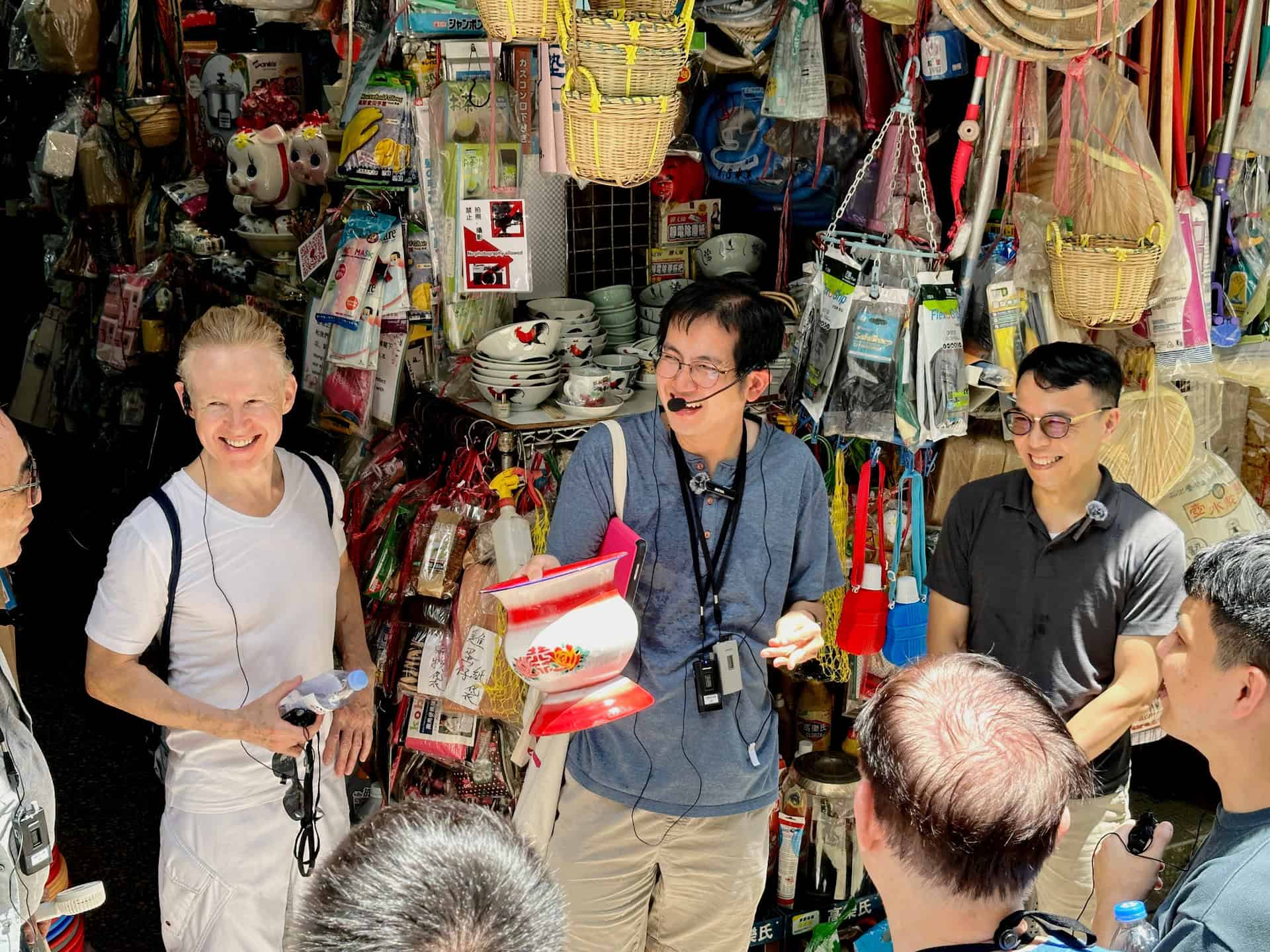
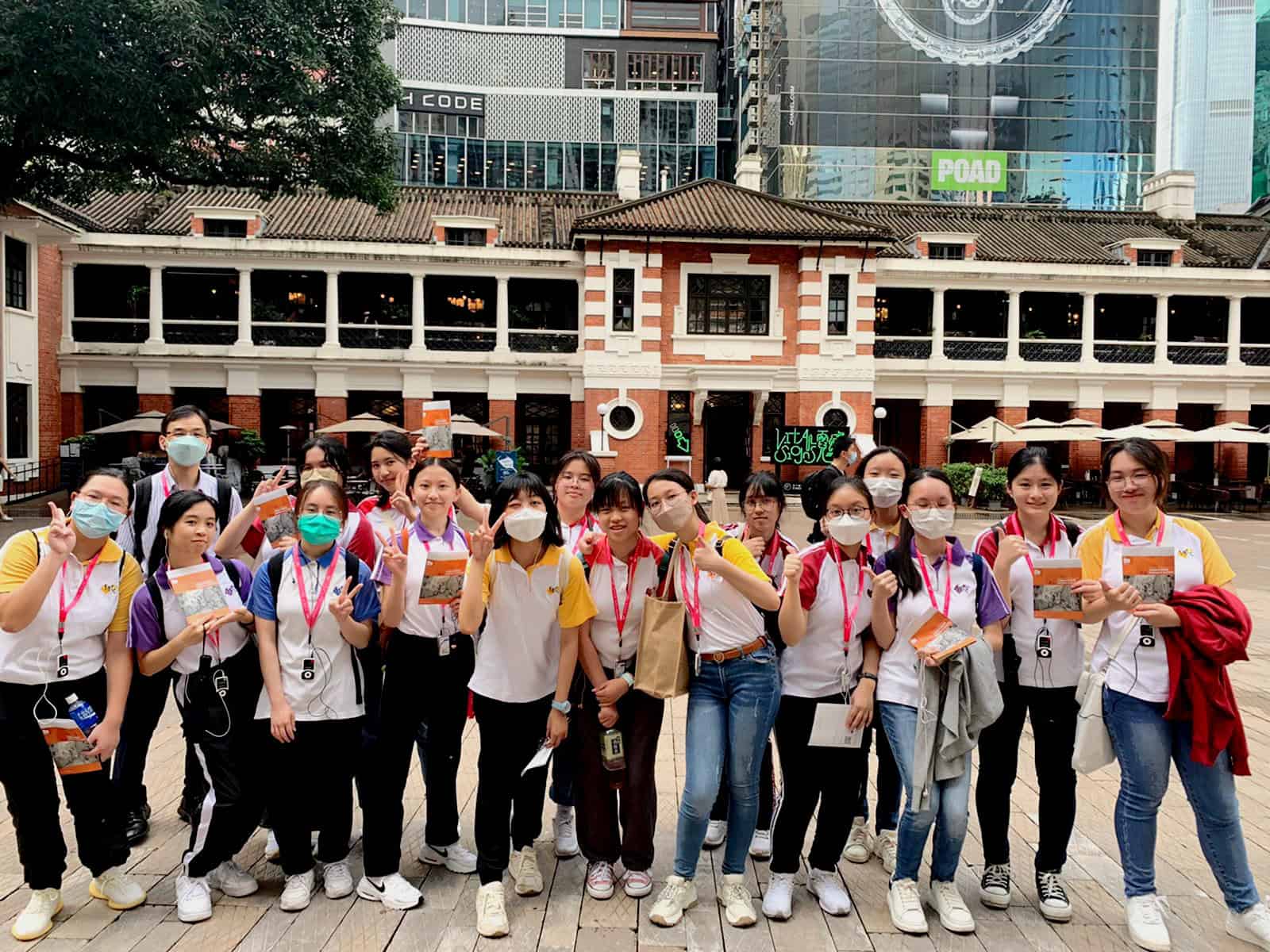
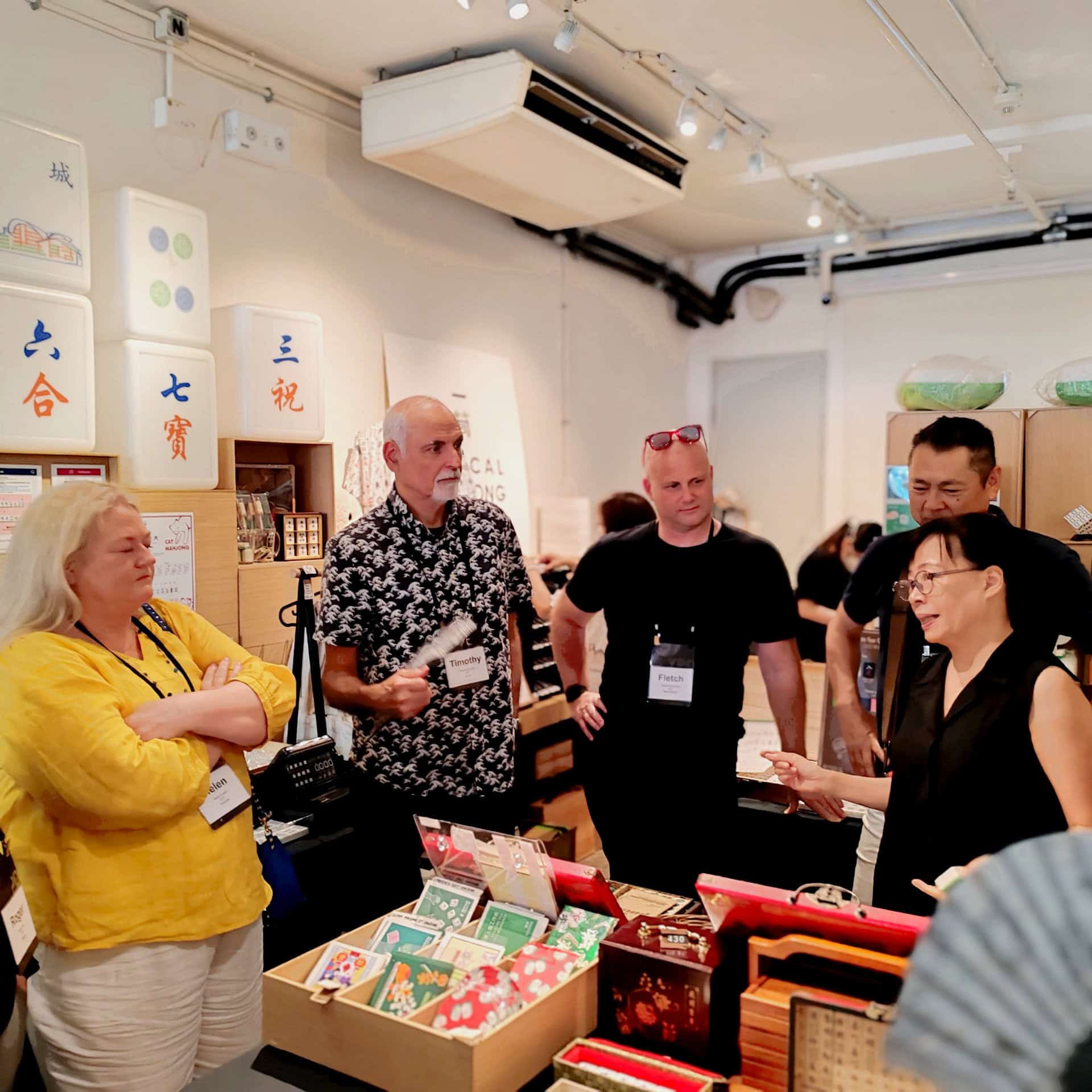
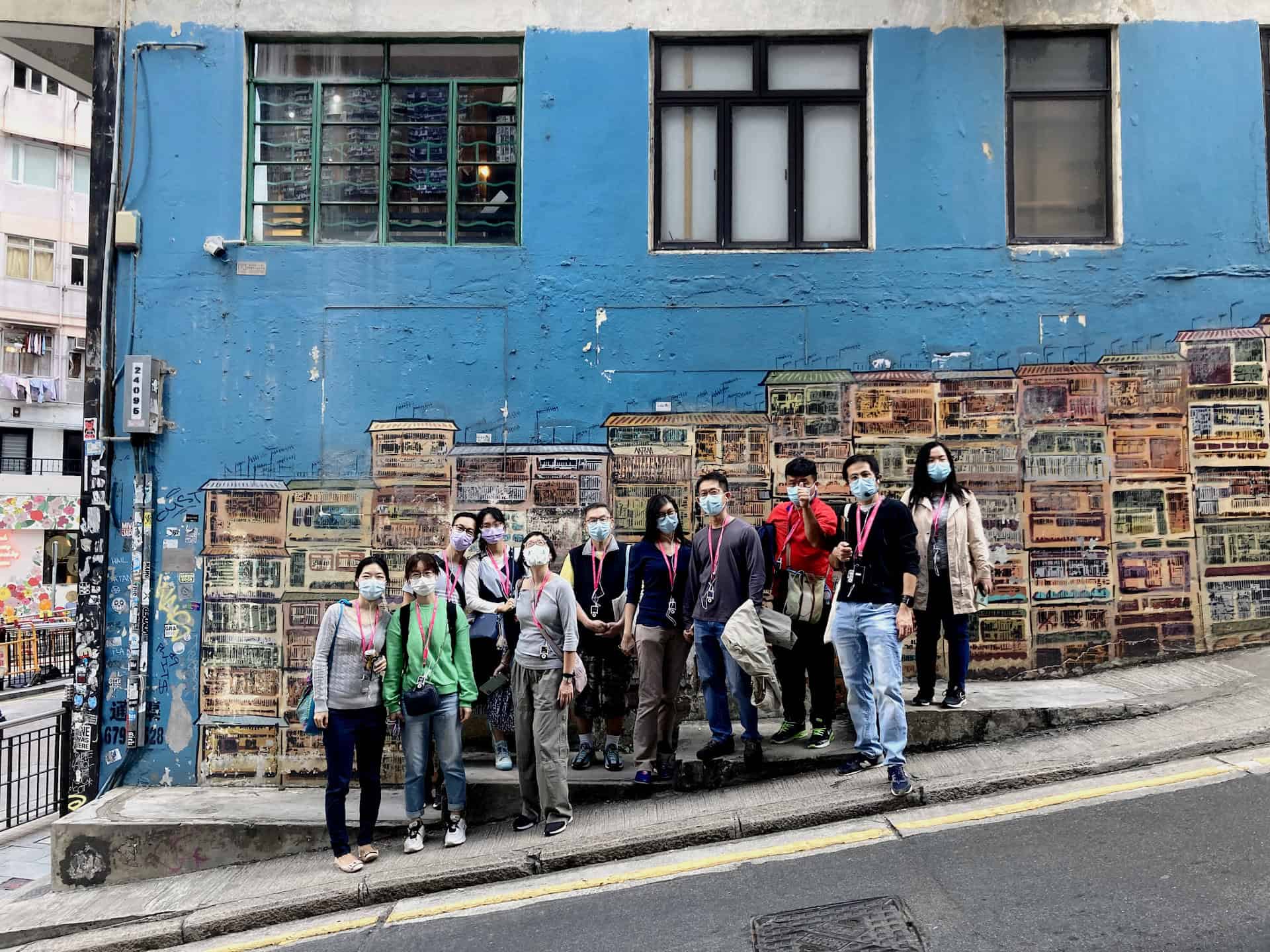
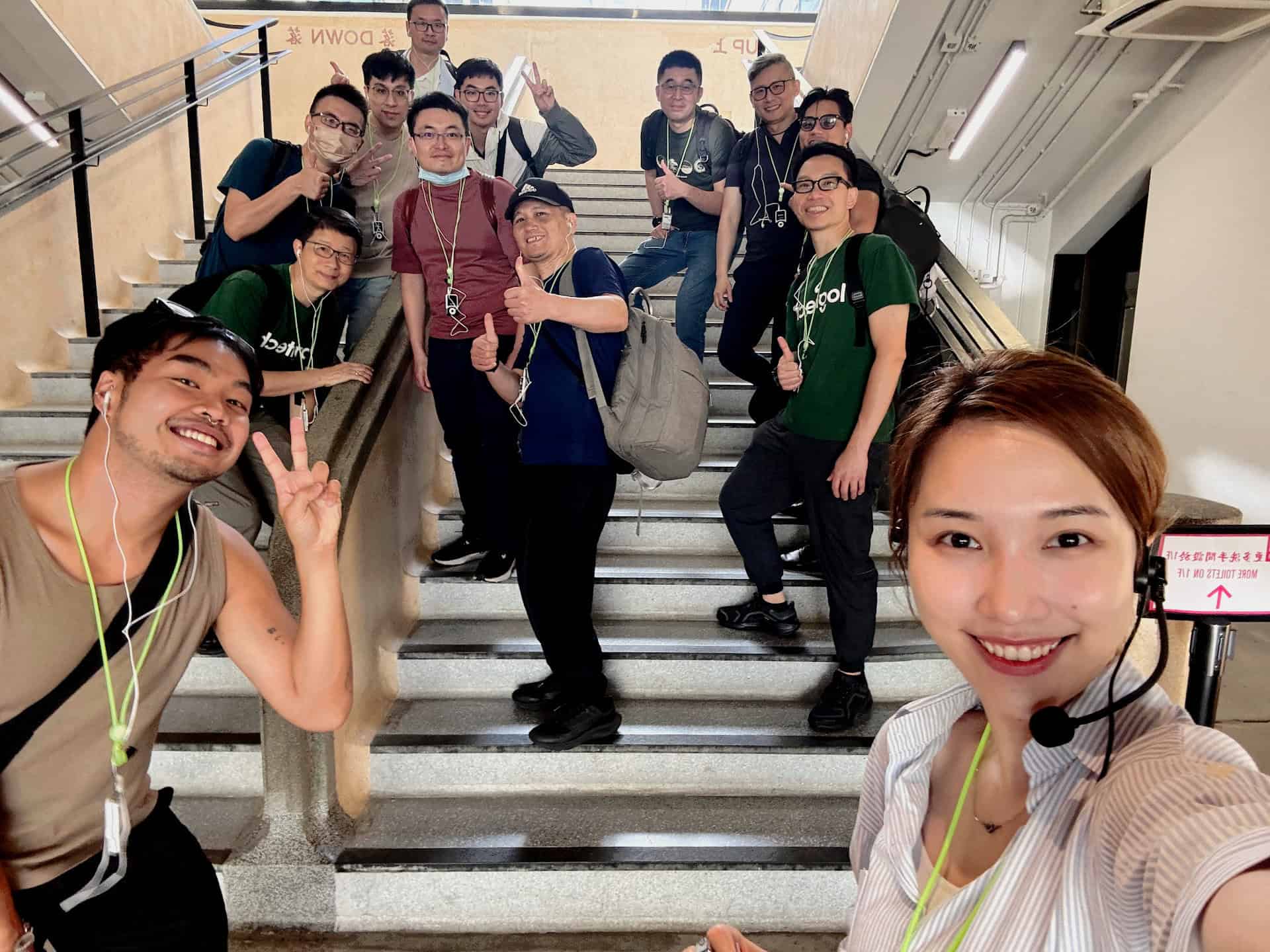


The name is accurate — Central lies at the frenetic heart of Hong Kong, and it’s an unmissable part of any visitor’s trip to the city. Under an electric backdrop of gleaming skyscrapers and elegant historic landmarks, we’ll talk about what defines Hong Kong.
A short “ding ding” tram ride away lie the quainter charms of Sheung Wan, a historic yet increasingly trendy neighborhood. Expect to find hip boutiques and artisanal bakers standing shoulder-to-shoulder with Chinese temples. Along the way, we’ll lavish you with local stories that could amuse and surprise even a native Hong Konger.
Walk in Hong Kong collaborated with the Hong Kong Tourism Board in curating the thematic tour routes of the Old Town Central neighbourhood tourism repackaging campaign.
Some of the points of interest include:
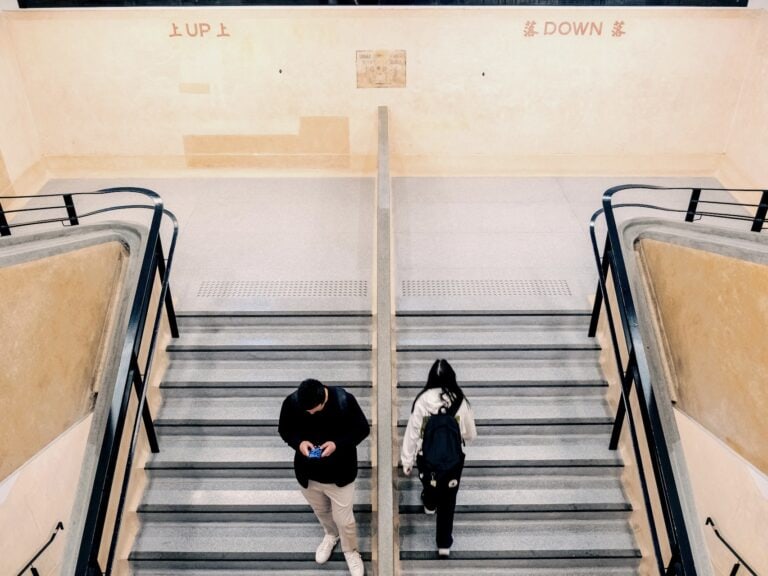
Central Market
Tour the Central Street Market after over 3 years of revitalization to understand the local market culture and its architectural features that have changed from before
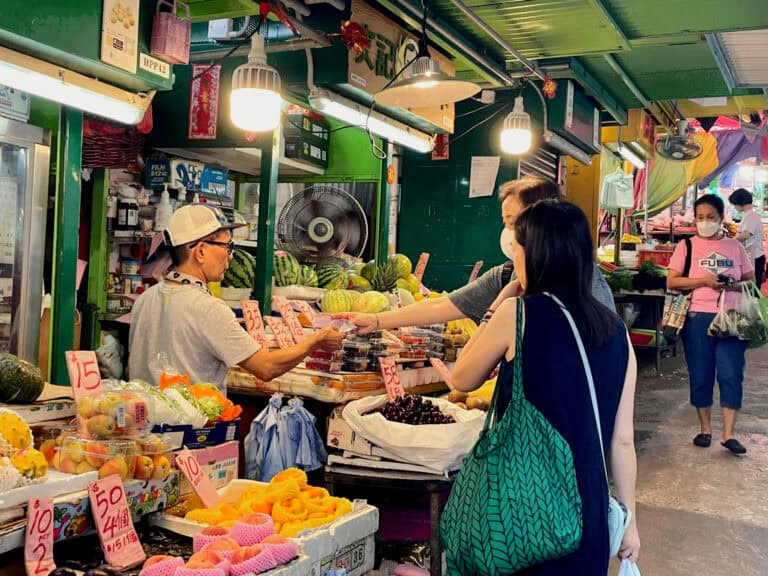
Graham Street Market
Listen to the stories of elderly stallholders and marvel at the variety of produce on sale at Hong Kong's oldest open-air bazaar
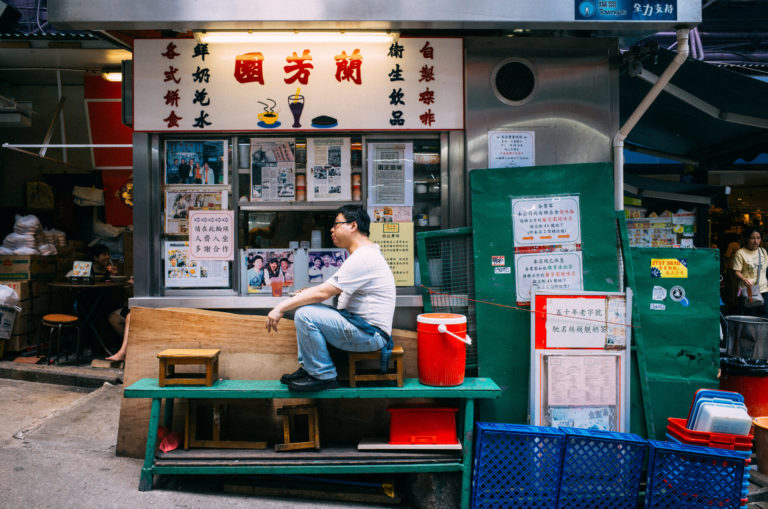
Lan Fong Yuen
The local flavor of Sidewalk snack booth: Getting to know the city-renowned Silk Stocking Milk Tea
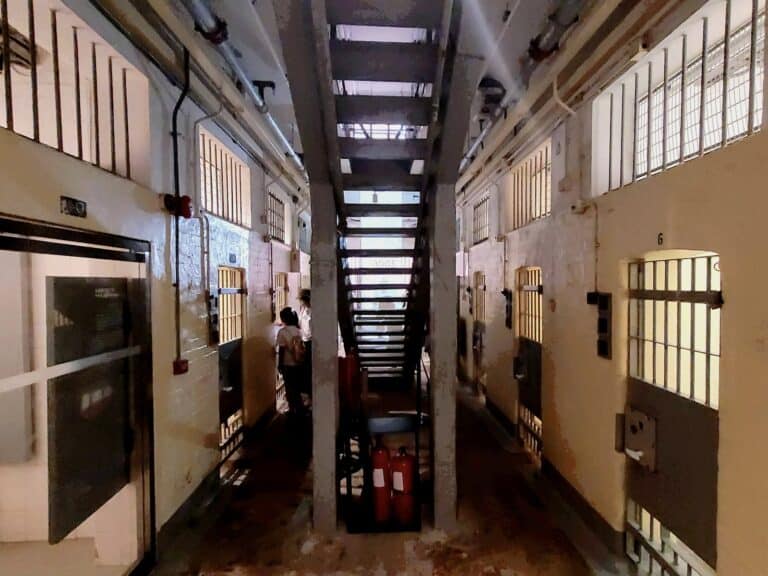
Tai Kwun
Explore the history of Tai Kwun Complex and the iron-railed lives of legendary figures
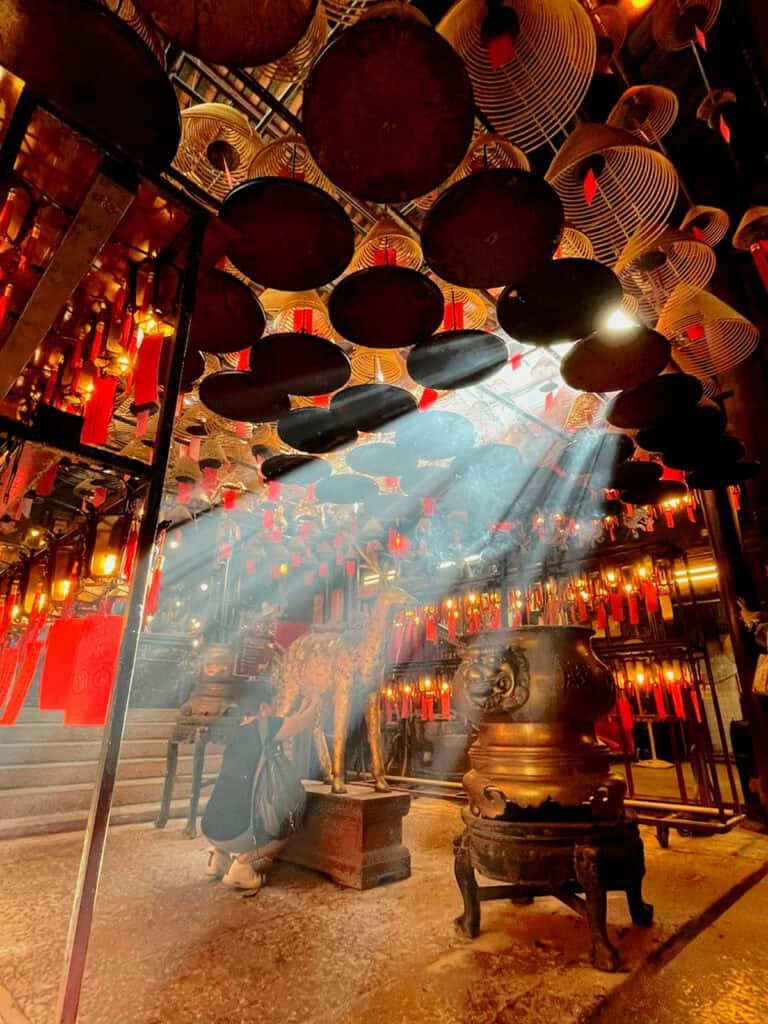
Man Mo Temple
See Chinese folk religious beliefs in action and hear stories that you won't find in guidebooks at this important site of worship
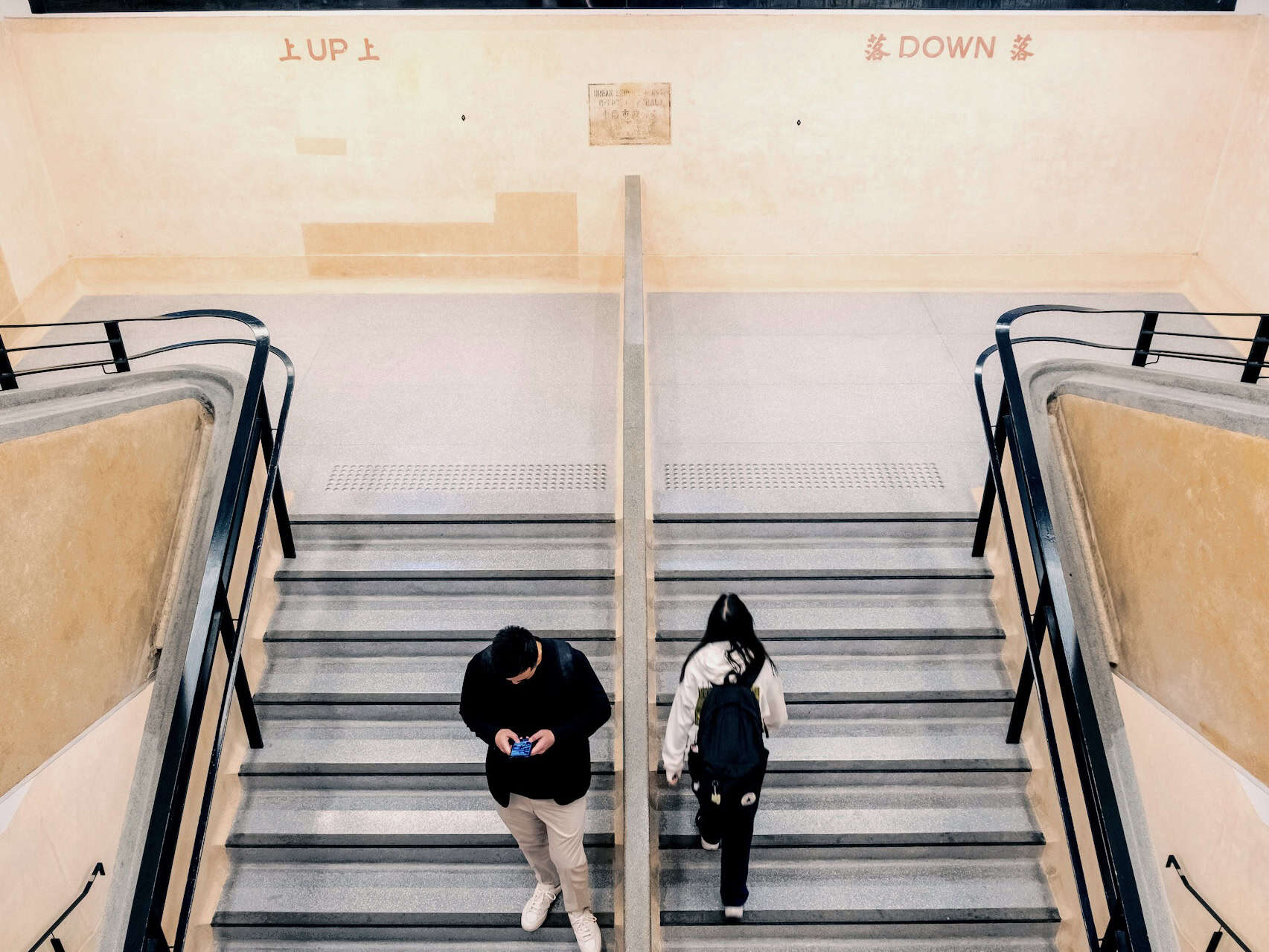
Tour the Central Street Market after over 3 years of revitalization to understand the local market culture and its architectural features that have changed from before
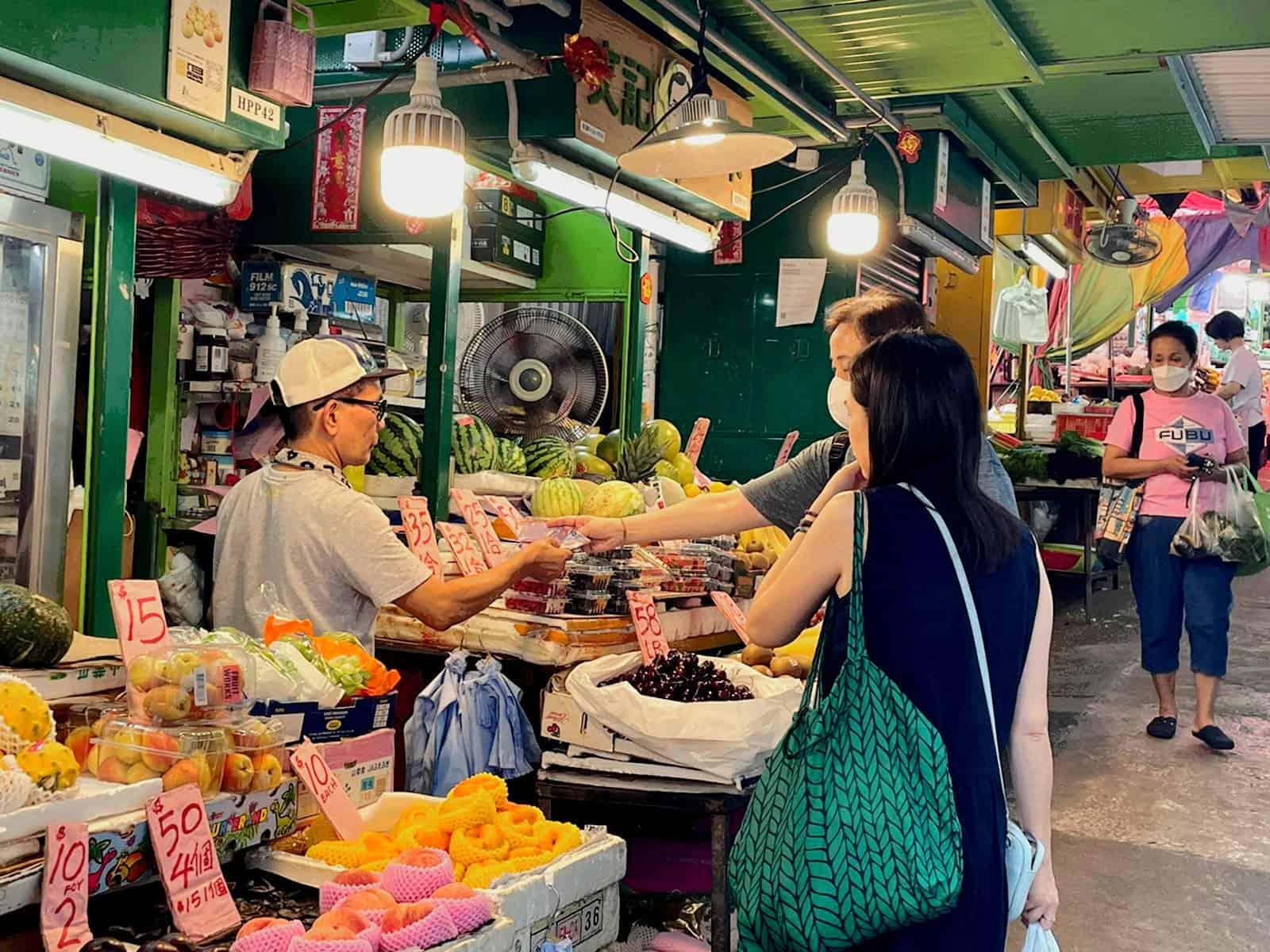
Listen to the stories of elderly stallholders and marvel at the variety of produce on sale at Hong Kong's oldest open-air bazaar

The local flavor of Sidewalk snack booth: Getting to know the city-renowned Silk Stocking Milk Tea
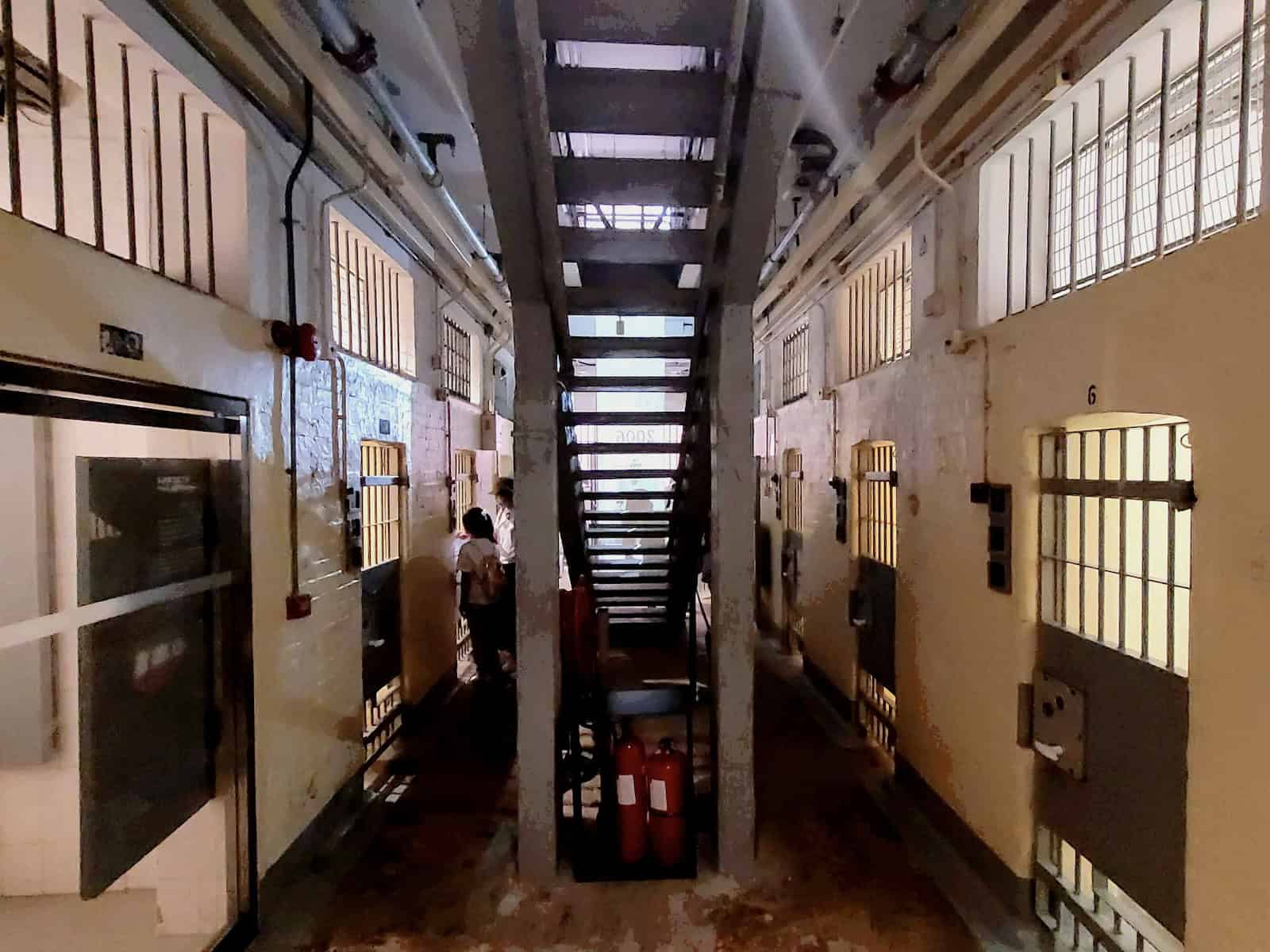
Explore the history of Tai Kwun Complex and the iron-railed lives of legendary figures
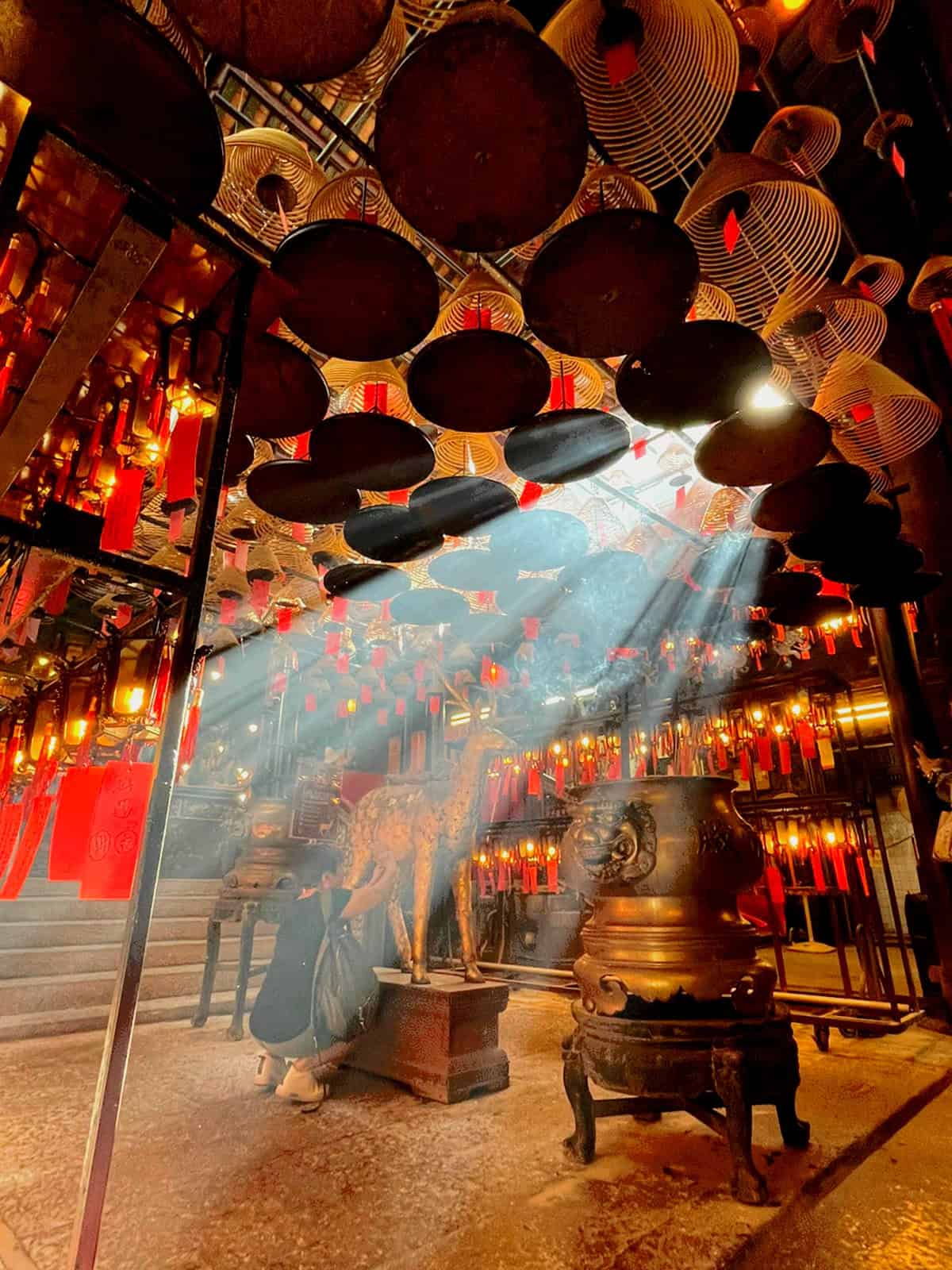
See Chinese folk religious beliefs in action and hear stories that you won't find in guidebooks at this important site of worship
History
Chinese History
Geography
Citizenship and Social Development
Tourism and Hospitality Studies




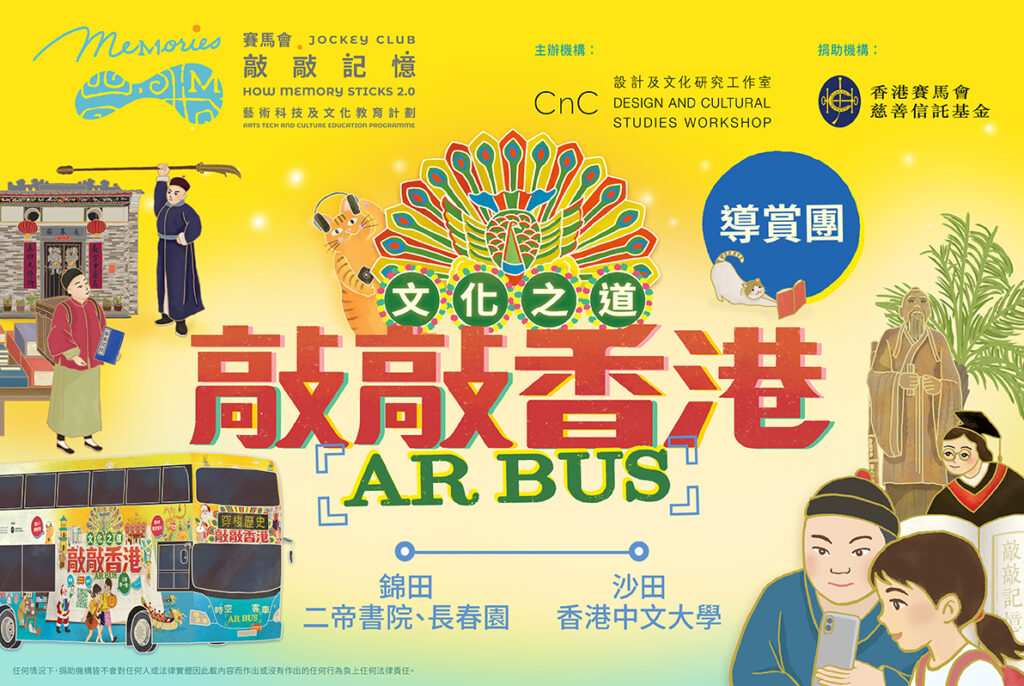
[This public tour is only offered in Cantonese]
錦田、香港中文大學
4 小時
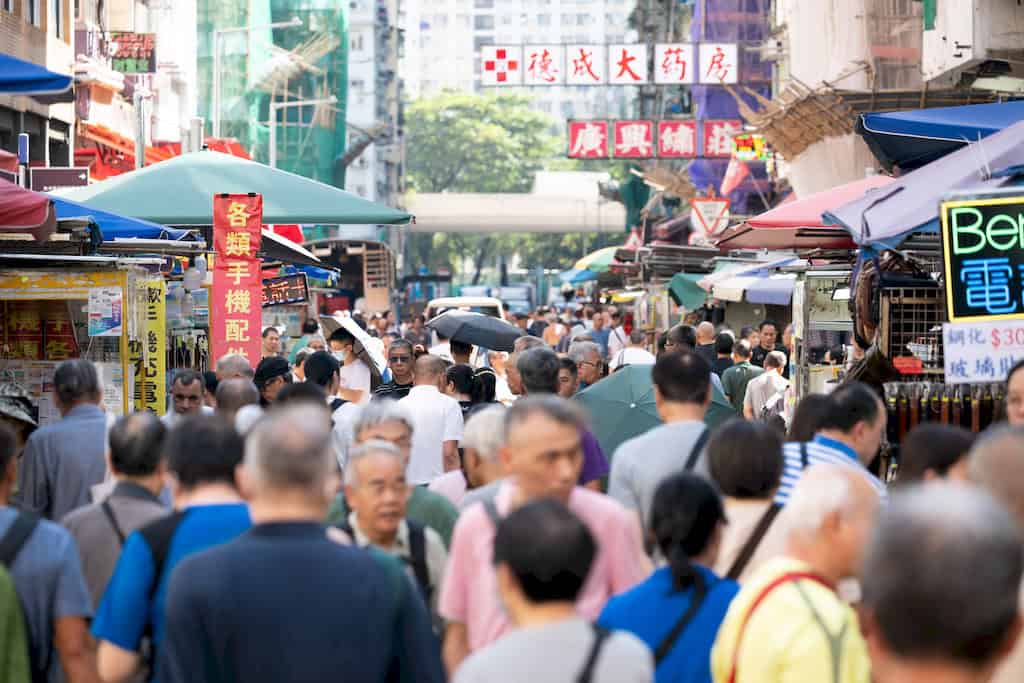
Let's explore the grassroots' daily life and understand diversified and various Sham Shui Po.
Sham Shui Po
2 hours

Learn more about the prosperity and the story of the demolition of the once-existing Chaos.
Kowloon City
2 hours
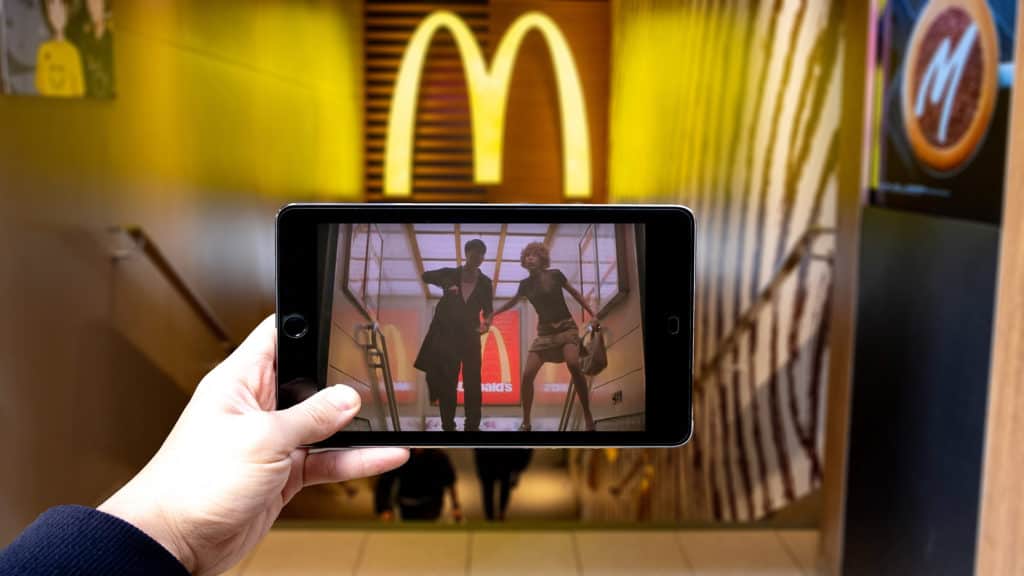
Discover Hong Kong’s cinematic heritage, from Tsim Sha Tsui’s bustling streets to hidden film landmarks, and experience the magic of light and shadow shaping the city’s identity.
Tsim Sha Tsui
2 hours
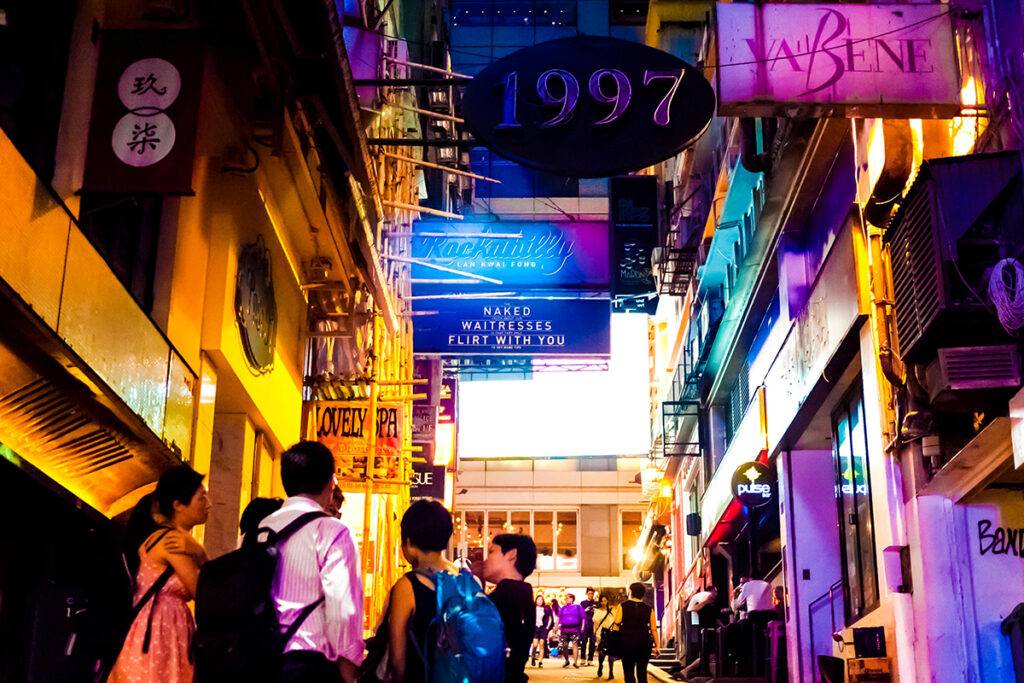
Understand Hong Kong's multi-gender culture and listen to LGBT stories
Central and Sheung Wan
2 hours
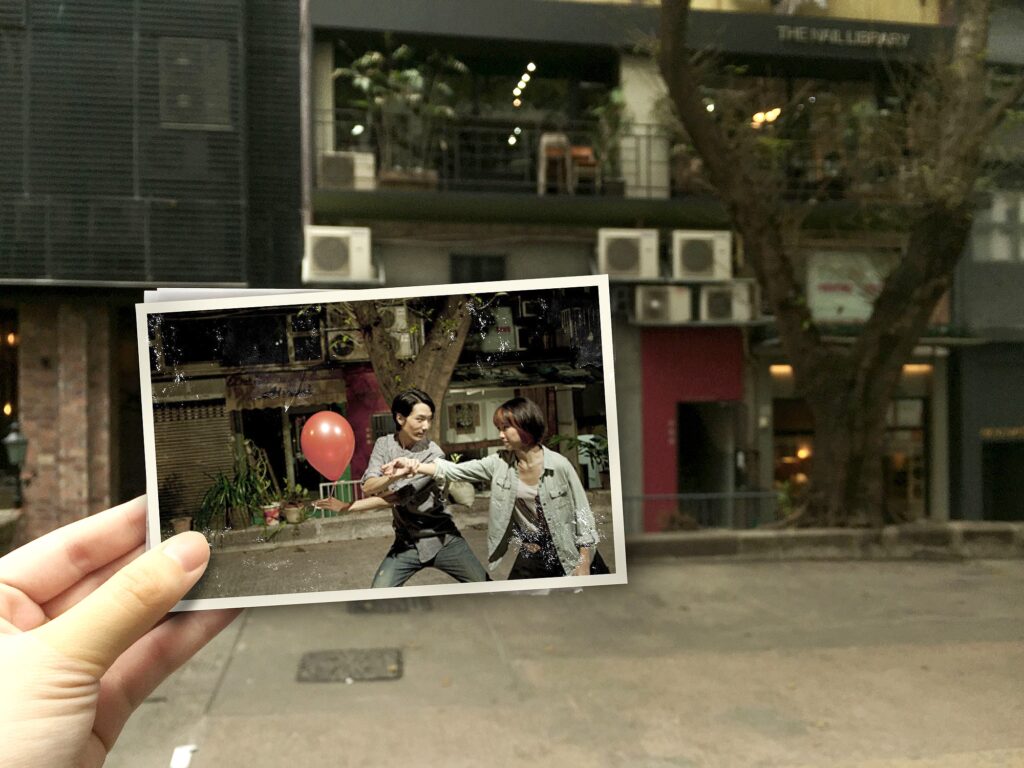
Explore Hong Kong's pop culture through the lens of light and shadow
Sheung Wan
2 hours