Experiences explained
Journeys into the soul of Hong Kong. Each experience is crafted to reveal the city through stories, people, and moments you won’t find in guidebooks.
Begin here
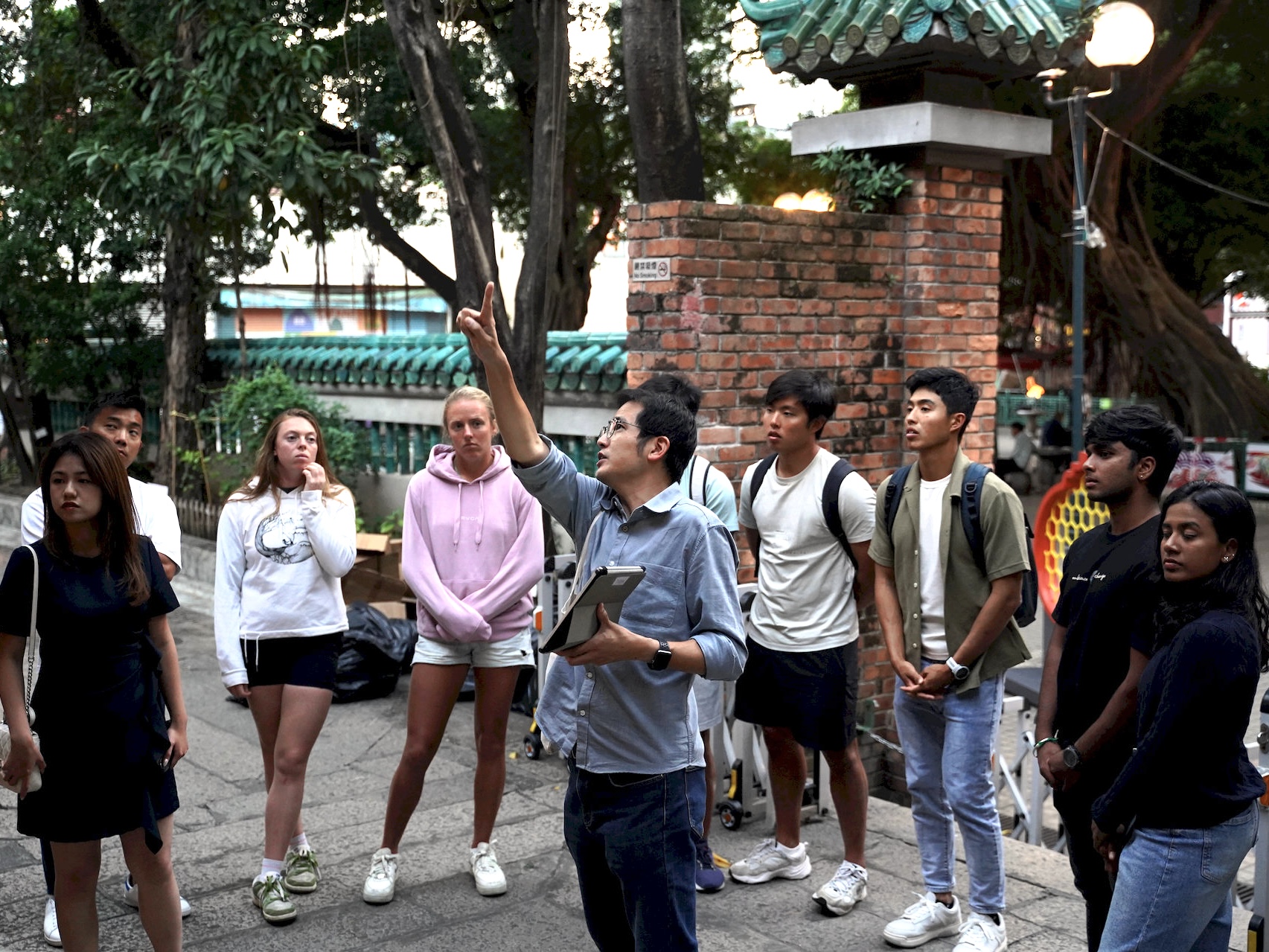
Walk the streets where history whispers and everyday life unfolds. Uncover hidden stories behind familiar landmarks and forgotten corners.
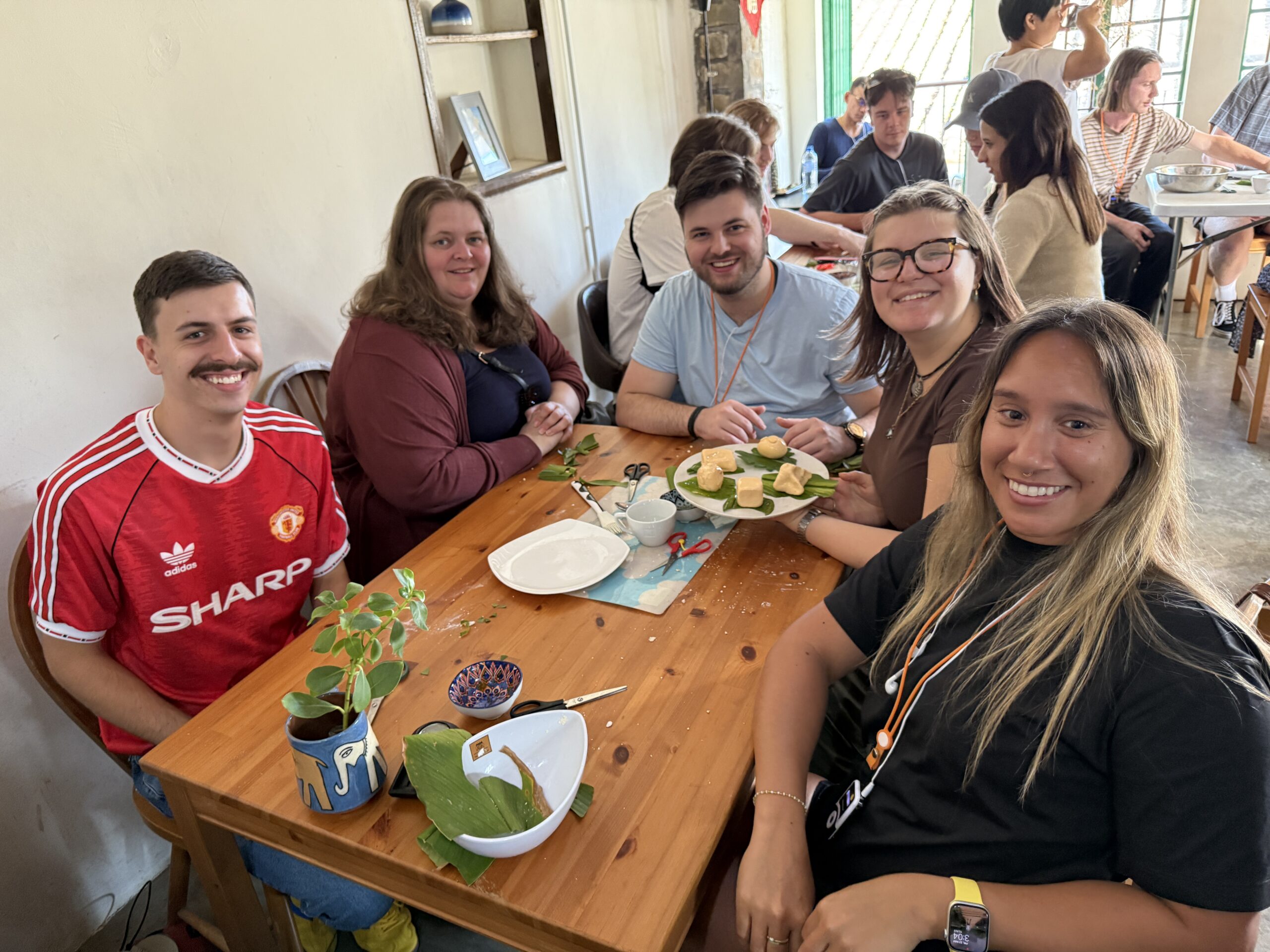
Create, taste, listen, and learn: hands-on cultural encounters that invite you to experience Hong Kong with all your senses.
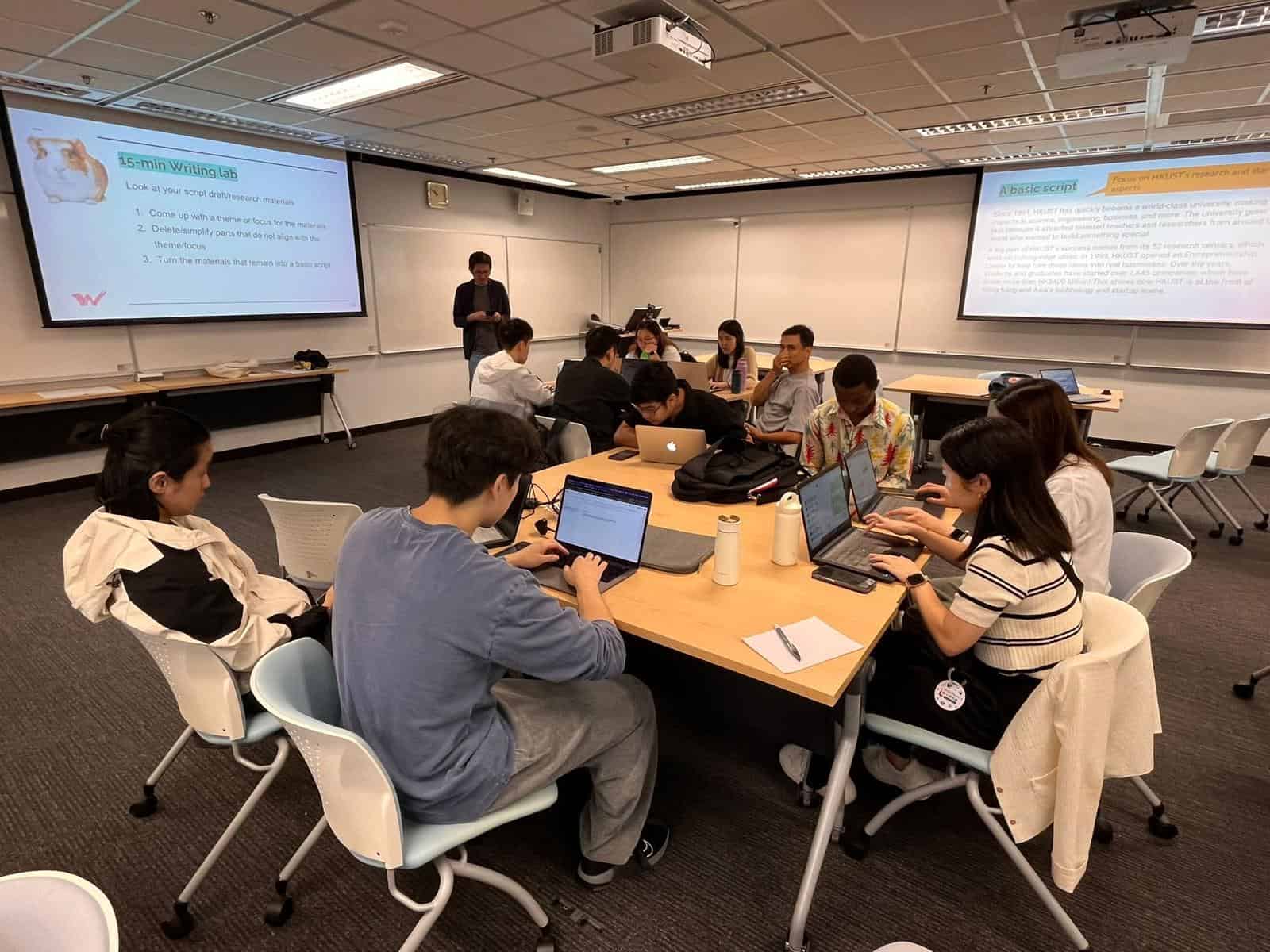
Sharpen your storytelling and communication skills through immersive, experience-led learning rooted in the city itself.
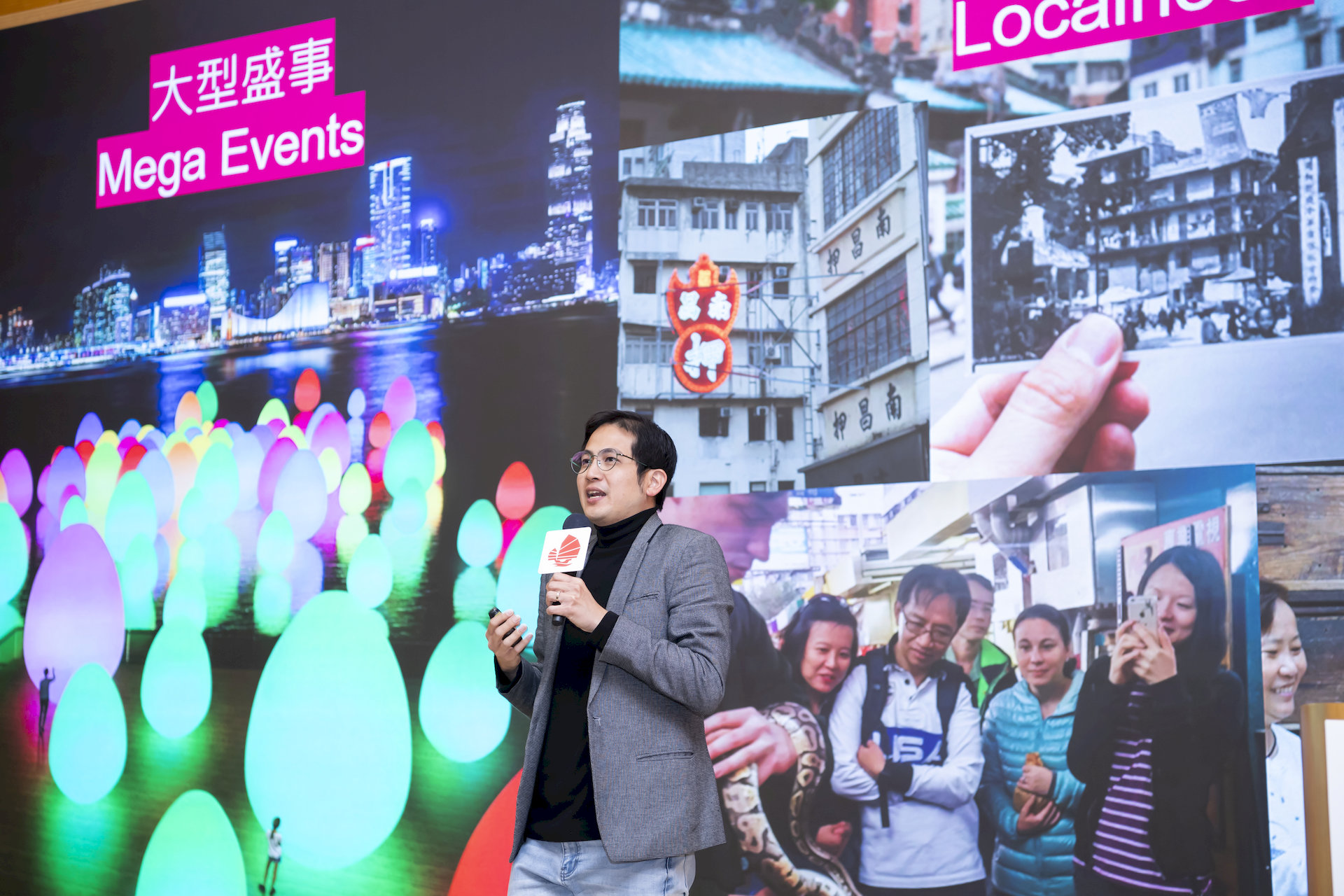
Stories that provoke thought, challenge assumptions, and deepen your understanding of Hong Kong’s layered identity.
We also do custom tours. Have something specific in mind? You dream it, we create it. Get in touch.
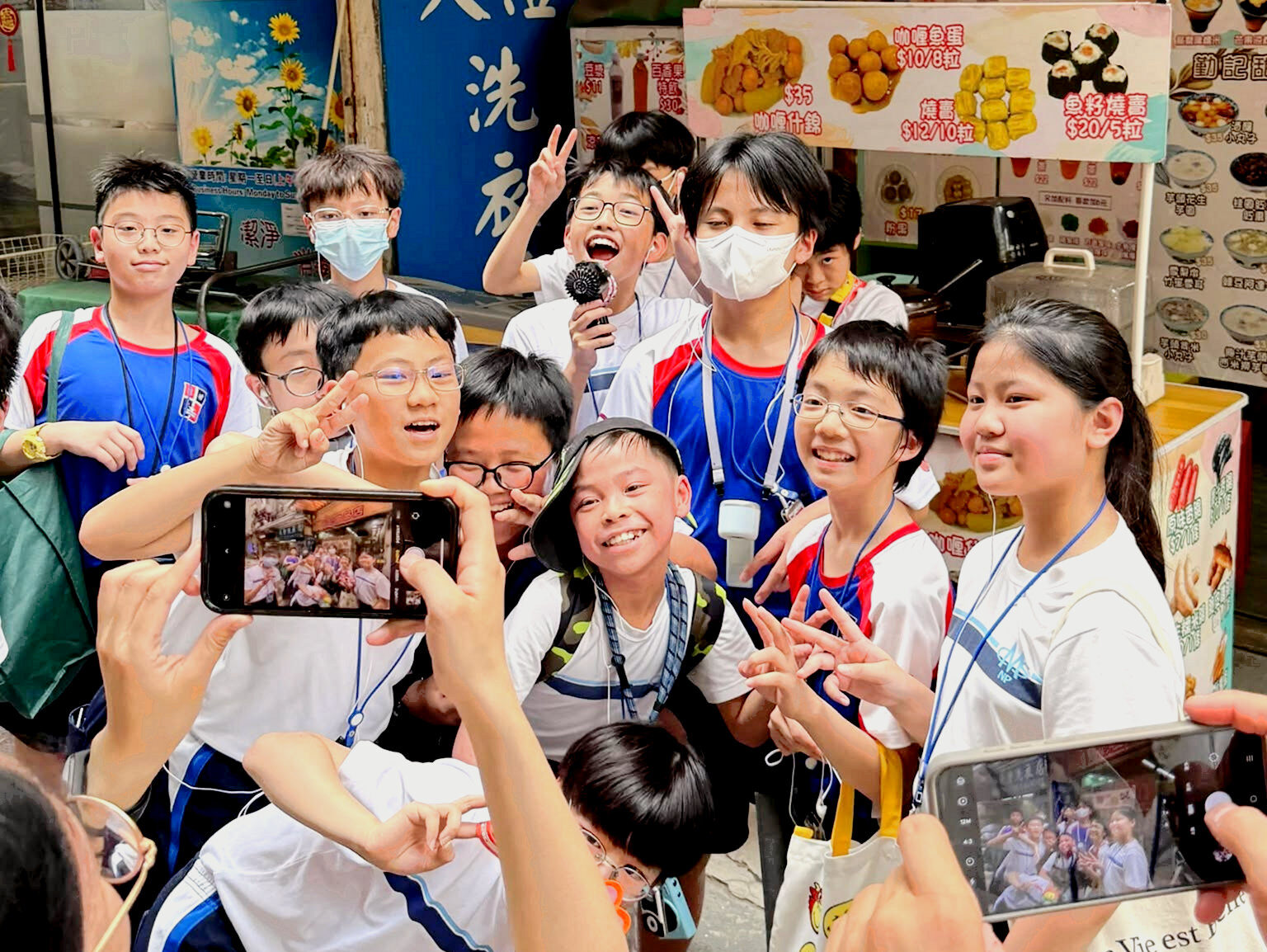
We turn Hong Kong into a living classroom, where syllabus meets streets, and theory meets lived reality.
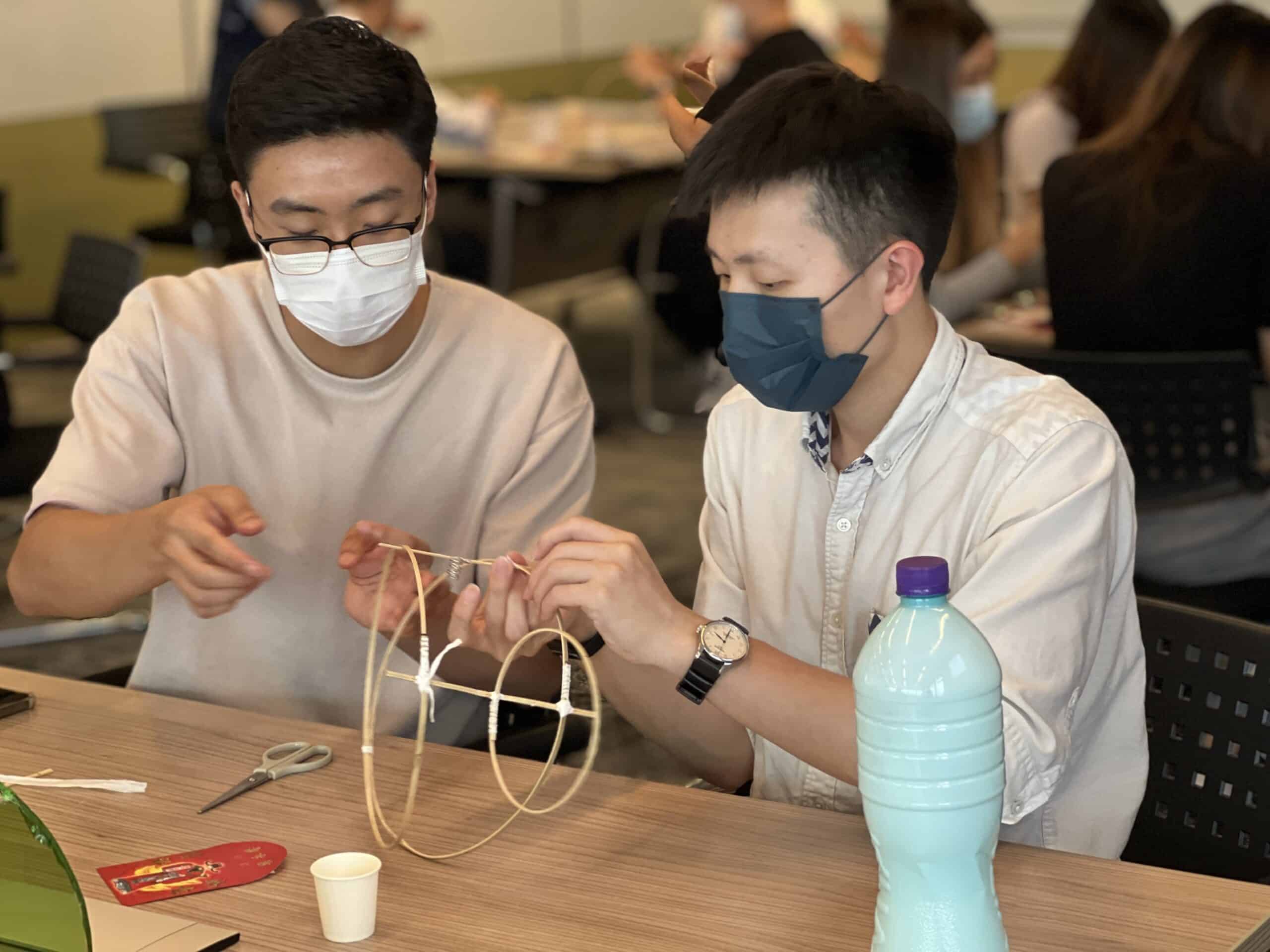
Explore beyond the textbook. Explore Intangible Cultural Heritage (ICH), field study, and integrated tour-workshops designed for hands-on, active discovery.
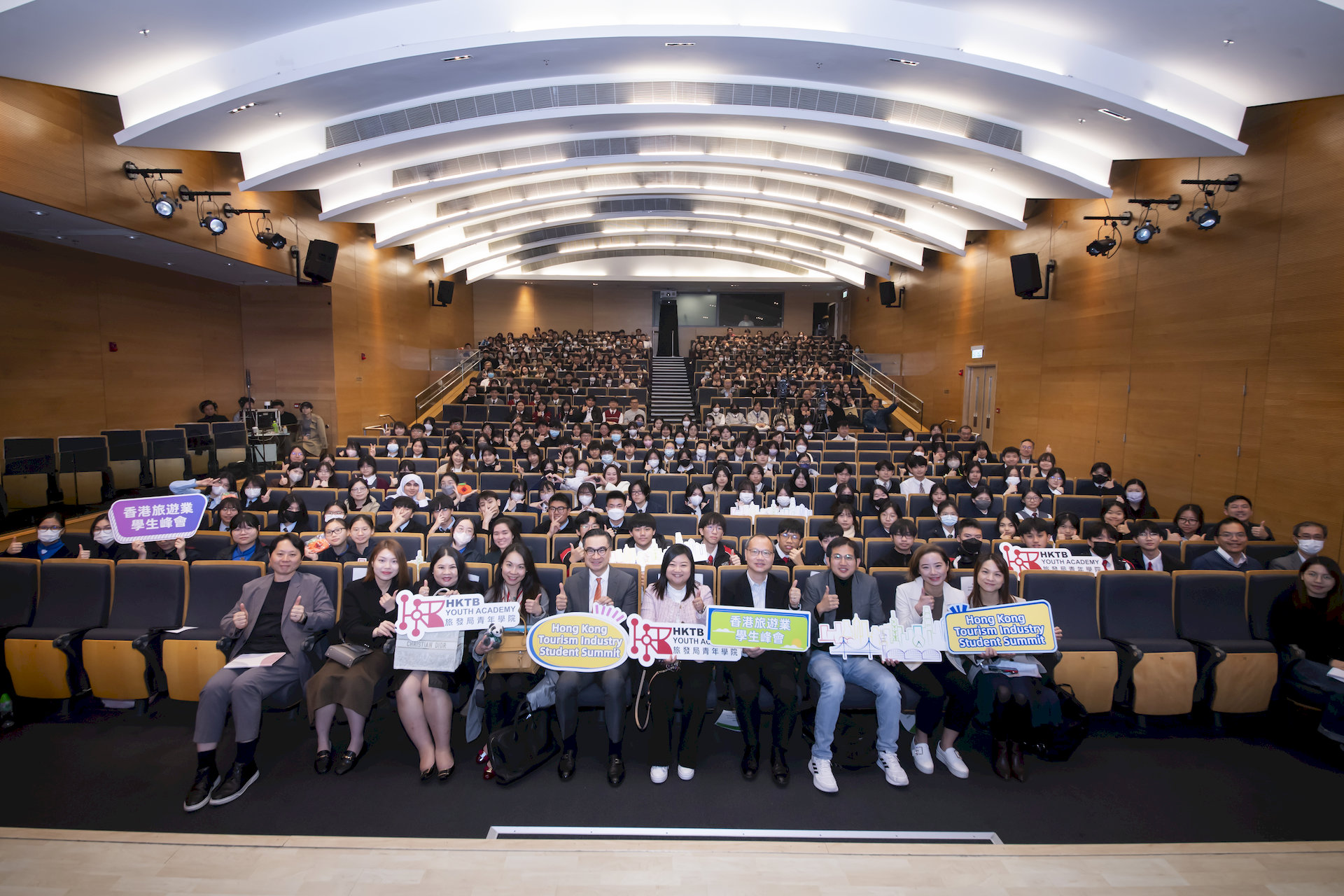
Inquiry in action. Students interpret sources, debate perspectives, conduct their own interviews, and build their own narratives.
From knowledge to voice. We train students to communicate ideas with clarity, confidence, and purpose.
We also do custom tours. Have something specific in mind? You dream it, we create it. Get in touch.
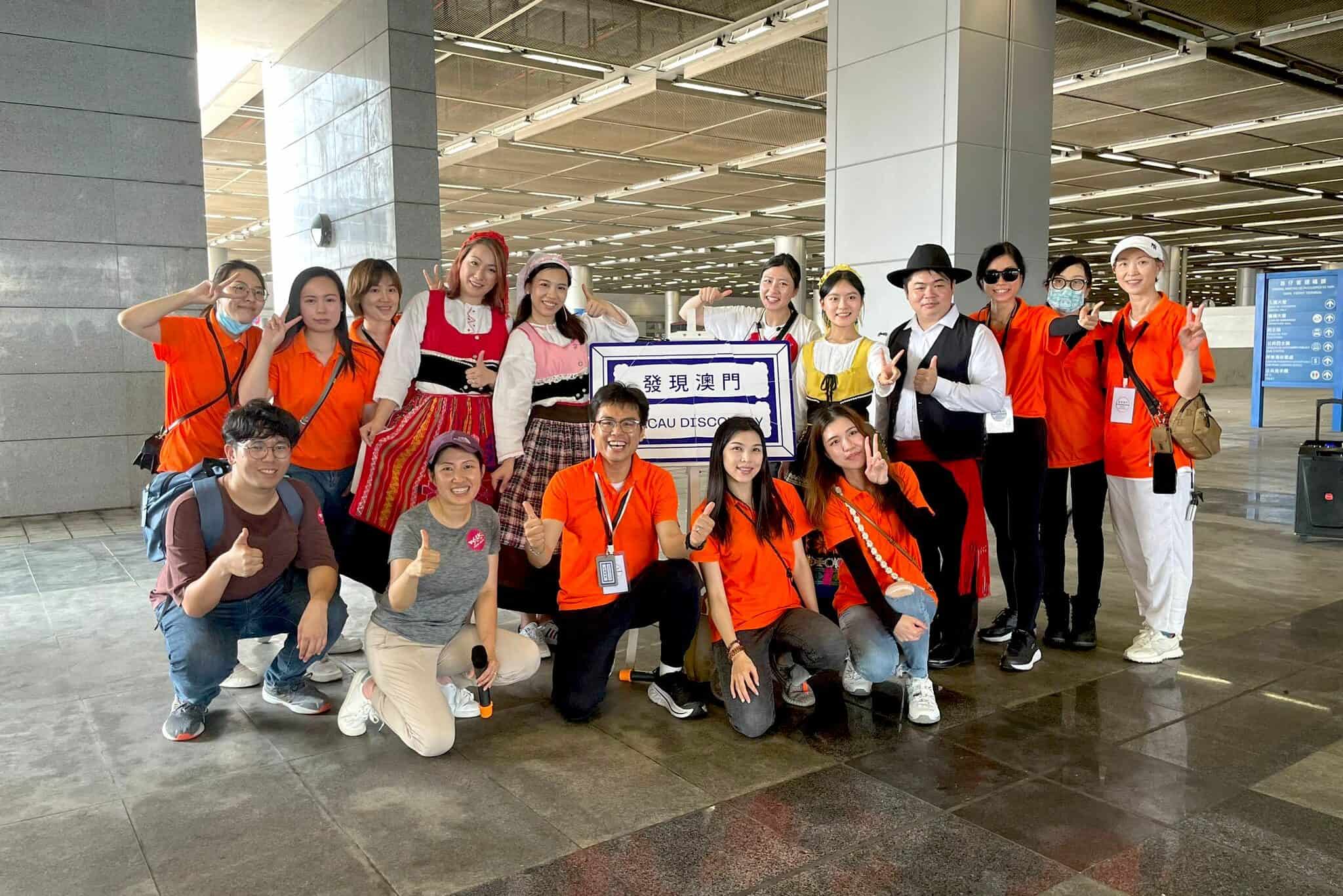
Step beyond boardrooms. Our curated community journeys invite your team to see, listen, and engage with the social fabric of Hong Kong.
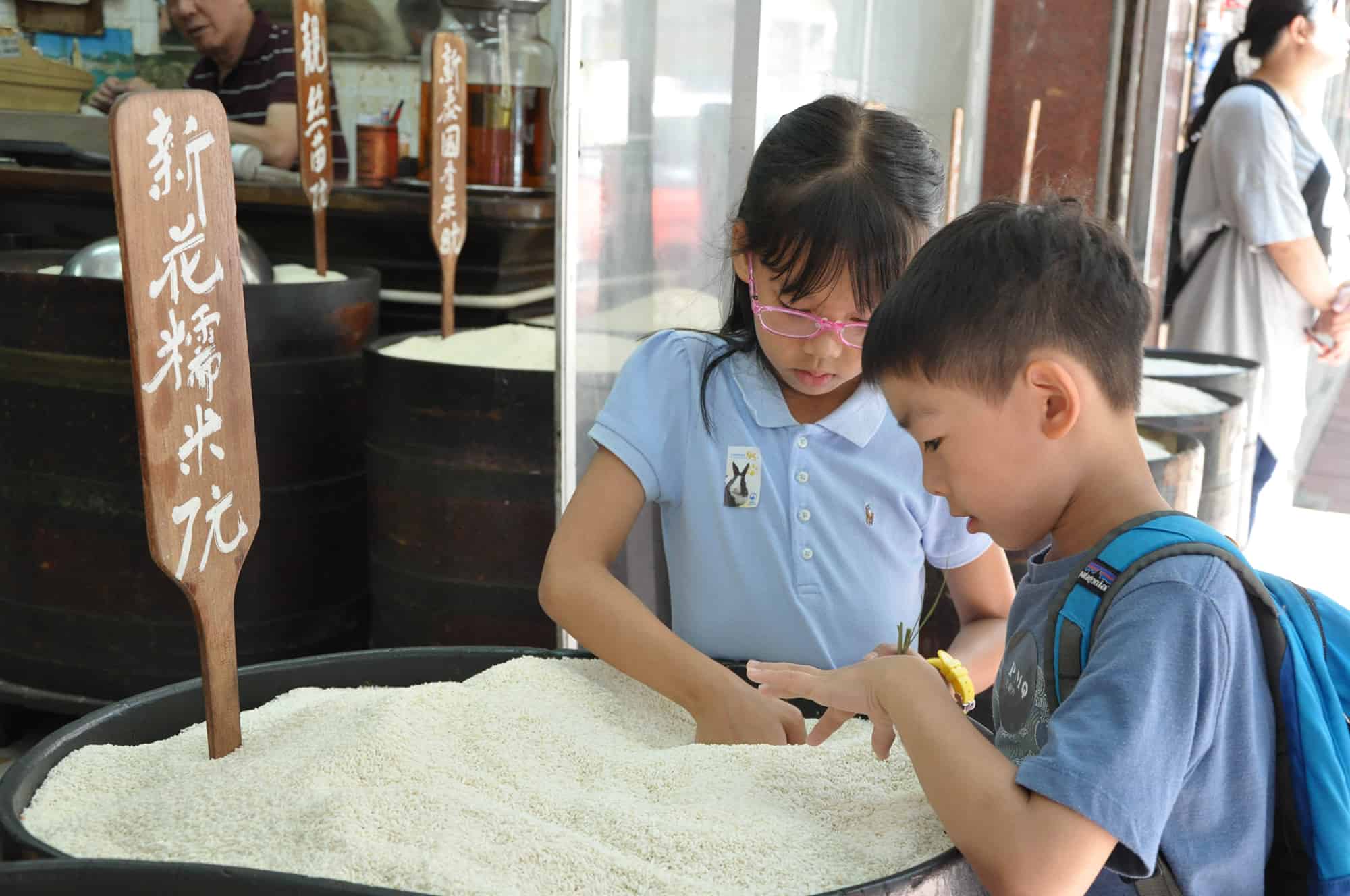
From awareness to action. Interactive workshops that spark empathy, strengthen dialogue, and turn shared values into collective impact.
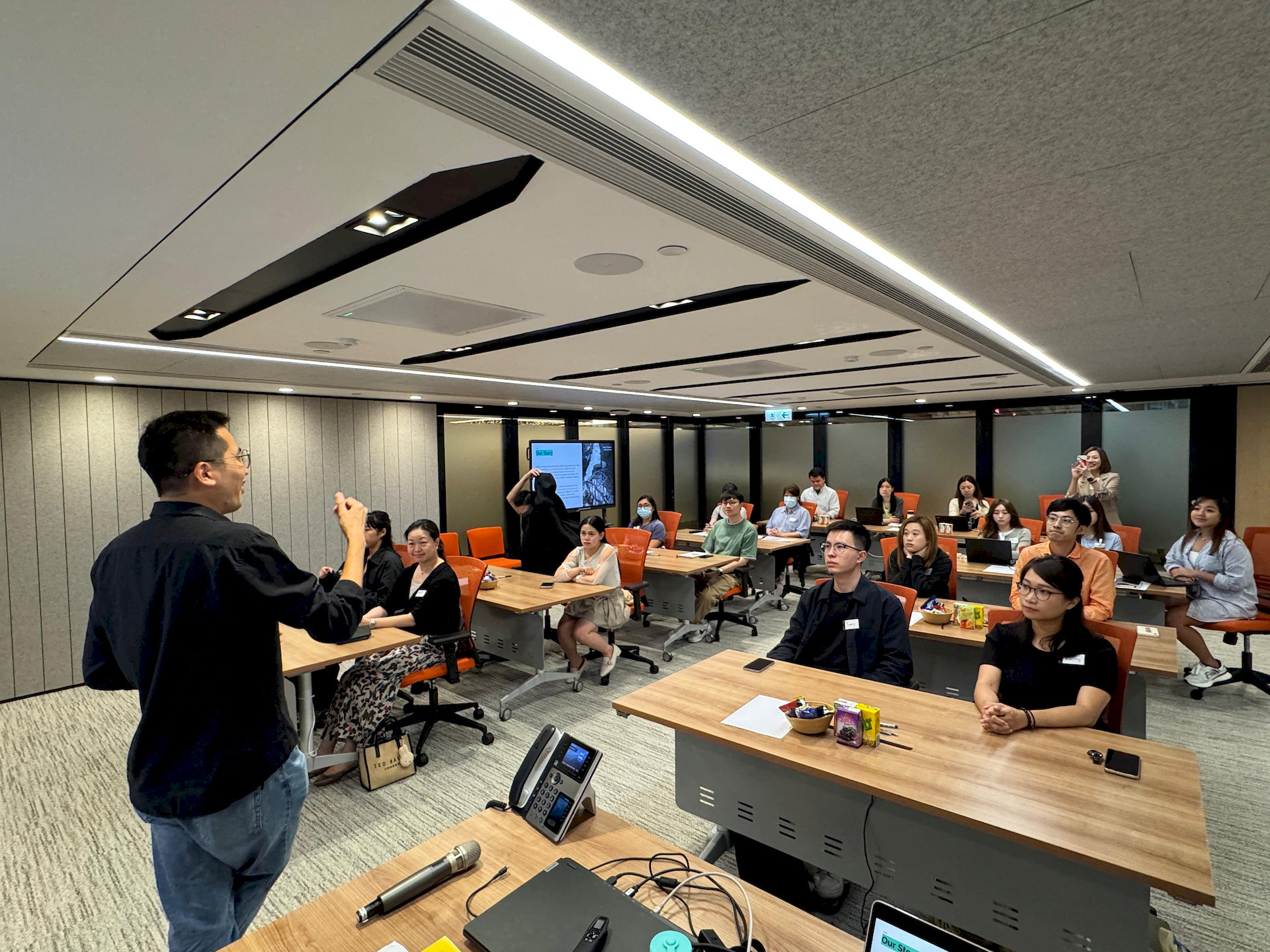
Lead with purpose. Experiential training that builds conscious communicators, socially aware leaders, and teams ready to create change.
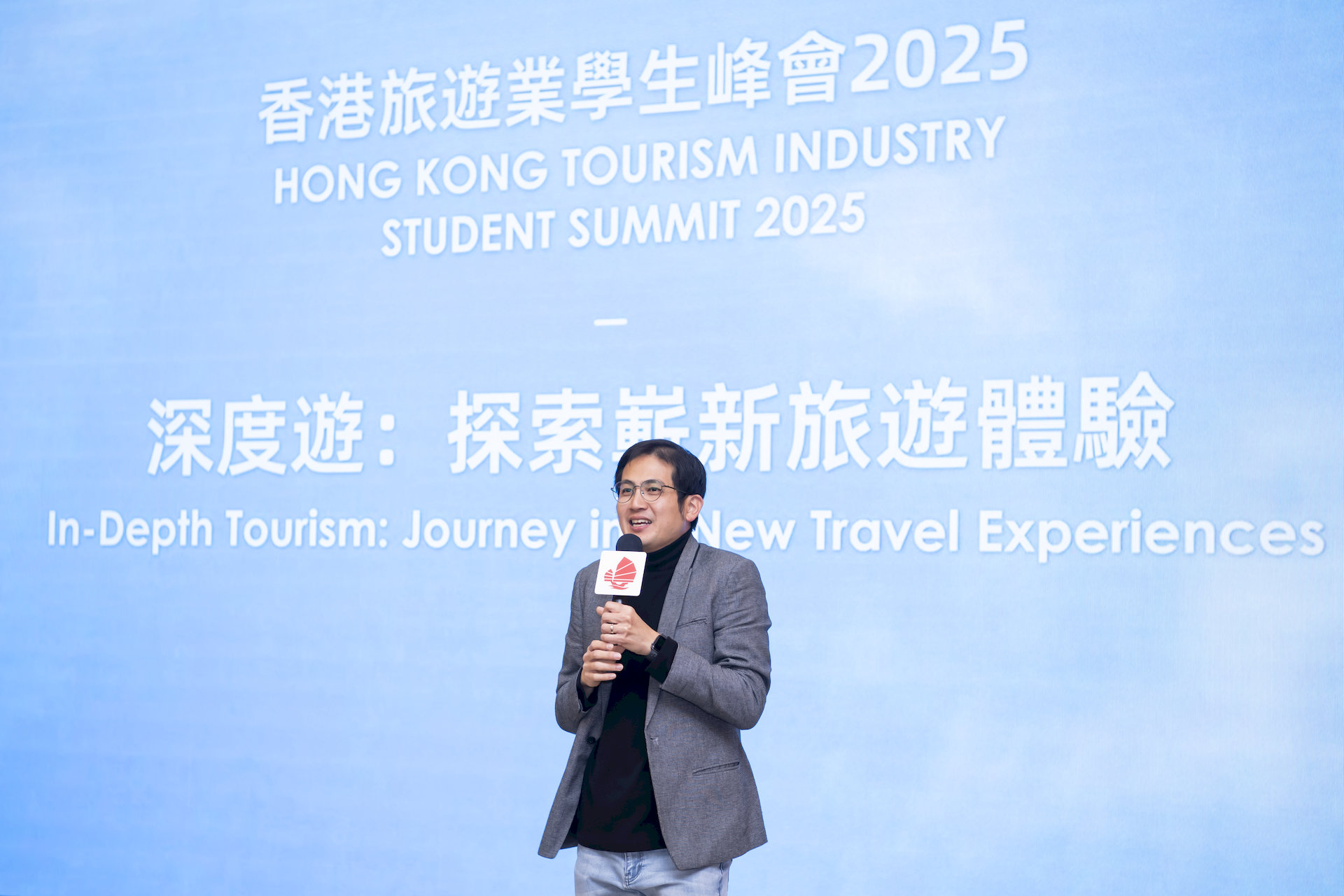
Stories that move people. Thought-provoking talks that bridge business, humanity, and the future we want to build together.
We also do custom tours. Have something specific in mind? You dream it, we create it. Get in touch.
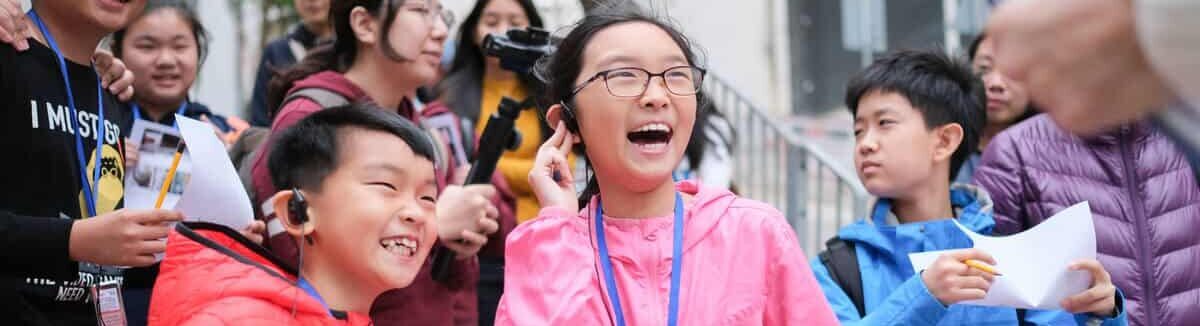
Learn how we support schools through experiential learning, fieldwork, and culturally grounded programmes.
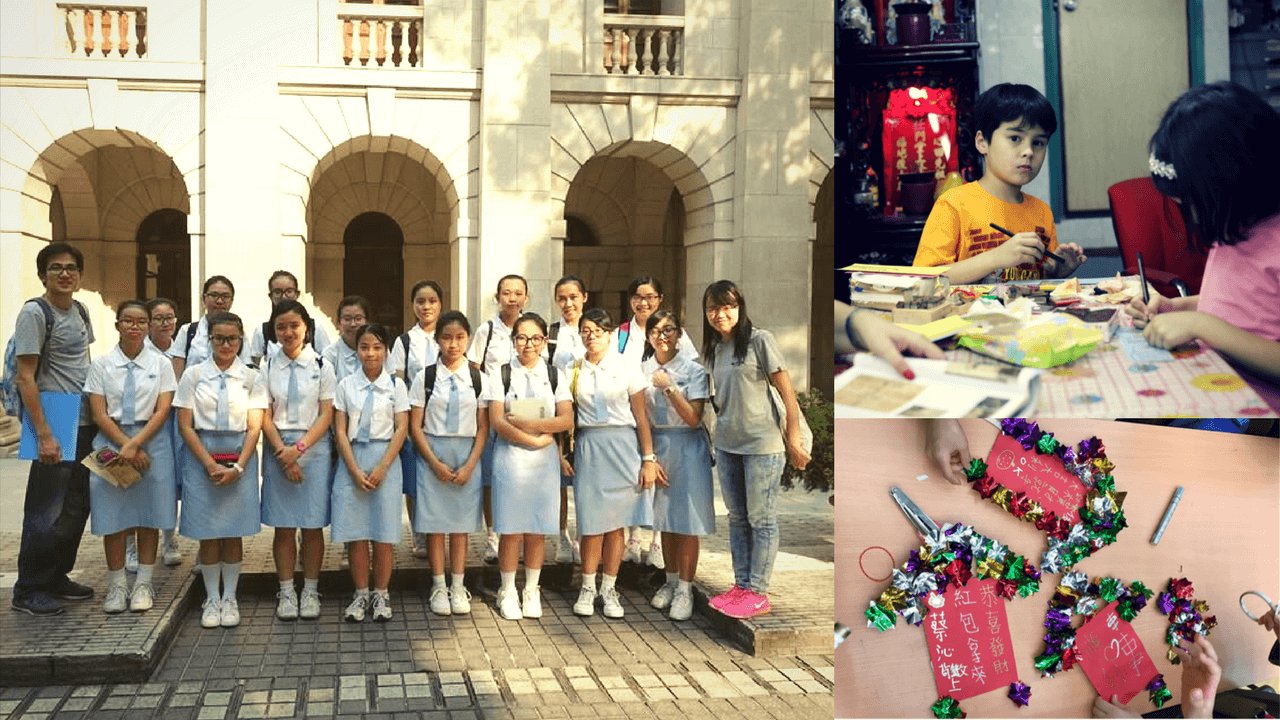
A showcase of student-centred projects bringing Hong Kong’s history and urban spaces to life.
Partner with us to create meaningful cultural experiences, education programmes, and community projects.
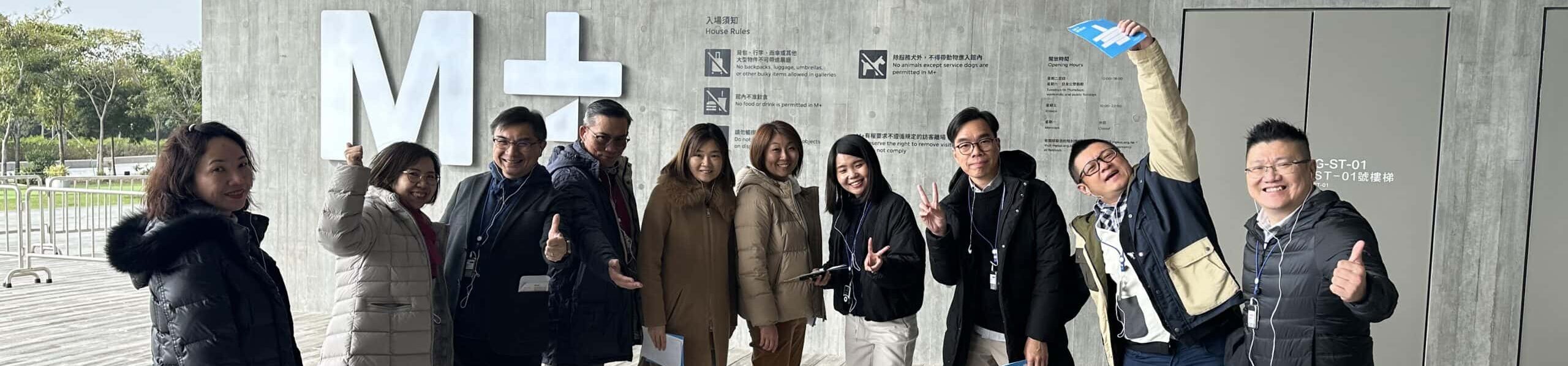
Elevate your brand, drive social impact, and transform teams with our story-driven corporate programs.
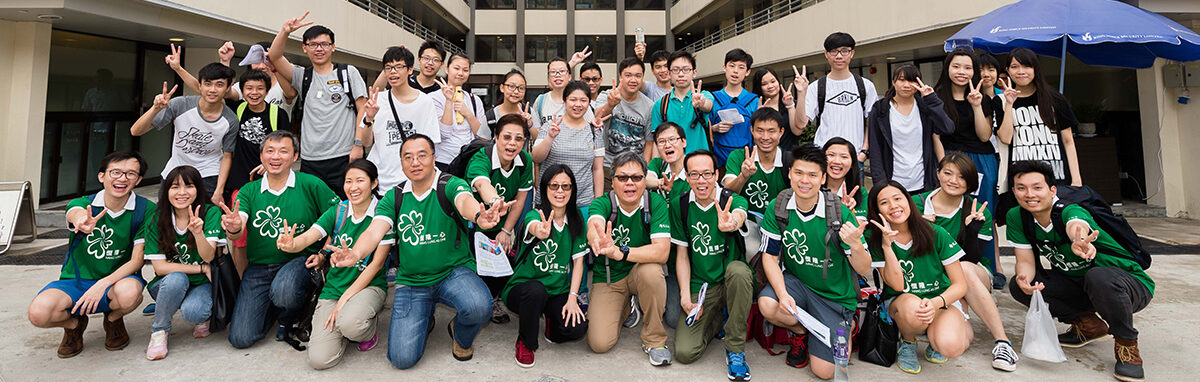
Case studies of bespoke corporate collaborations bringing Hong Kong’s stories to life through innovative programmes.
Partner with us to create meaningful cultural experiences, education programmes, and community projects.
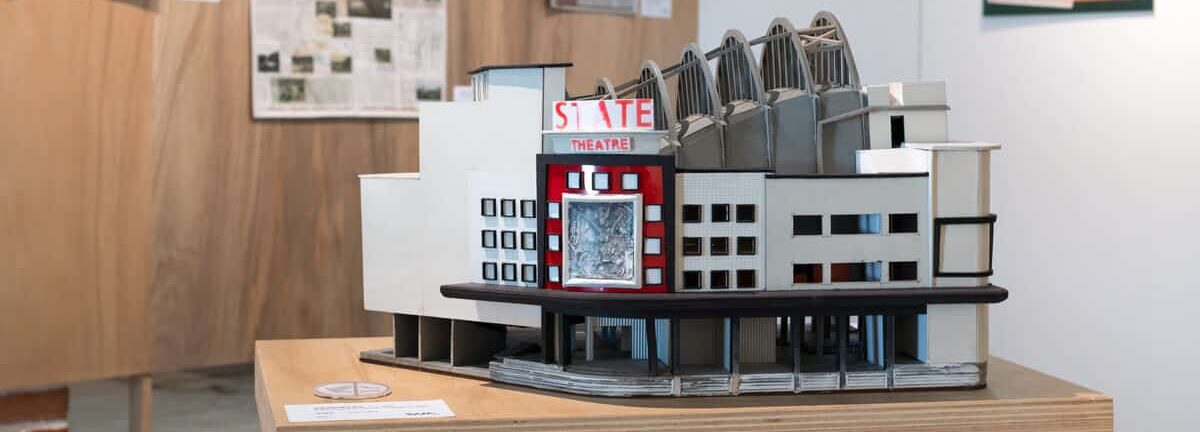
Projects rooted in local collaboration, public engagement, and community-led storytelling.
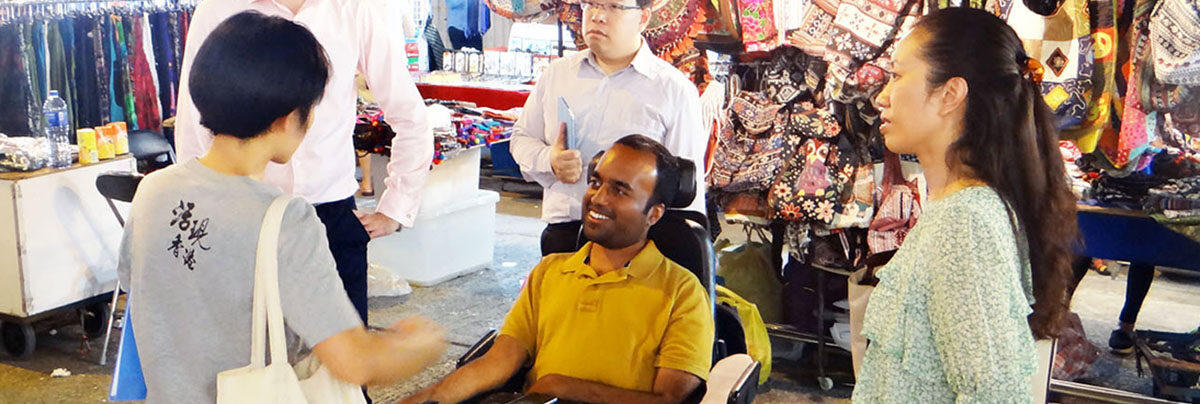
See how we collaborate with local partners through storytelling, place-making, and cultural participation.
Partner with us to create meaningful cultural experiences, education programmes, and community projects.
 繁
繁


Walk the streets where history whispers and everyday life unfolds. Uncover hidden stories behind familiar landmarks and forgotten corners.
Create, taste, listen, and learn: hands-on cultural encounters that invite you to experience Hong Kong with all your senses.
Sharpen your storytelling and communication skills through immersive, experience-led learning rooted in the city itself.
Stories that provoke thought, challenge assumptions, and deepen your understanding of Hong Kong’s layered identity.
We also do custom tours. Have something specific in mind? You dream it, we create it. Get in touch.
We turn Hong Kong into a living classroom, where syllabus meets streets, and theory meets lived reality.
Explore beyond the textbook. Explore Intangible Cultural Heritage (ICH), field study, and integrated tour-workshops designed for hands-on, active discovery.
Inquiry in action. Students interpret sources, debate perspectives, conduct their own interviews, and build their own narratives.
From knowledge to voice. We train students to communicate ideas with clarity, confidence, and purpose.
We also do custom tours. Have something specific in mind? You dream it, we create it. Get in touch.
Step beyond boardrooms. Our curated community journeys invite your team to see, listen, and engage with the social fabric of Hong Kong.
From awareness to action. Interactive workshops that spark empathy, strengthen dialogue, and turn shared values into collective impact.
Lead with purpose. Experiential training that builds conscious communicators, socially aware leaders, and teams ready to create change.
Stories that move people. Thought-provoking talks that bridge business, humanity, and the future we want to build together.
We also do custom tours. Have something specific in mind? You dream it, we create it. Get in touch.
Learn how we support schools through experiential learning, fieldwork, and culturally grounded programmes.
A showcase of student-centred projects bringing Hong Kong’s history and urban spaces to life.
Partner with us to create meaningful cultural experiences, education programmes, and community projects.
Elevate your brand, drive social impact, and transform teams with our story-driven corporate programs.
Case studies of bespoke corporate collaborations bringing Hong Kong’s stories to life through innovative programmes.
Partner with us to create meaningful cultural experiences, education programmes, and community projects.
Projects rooted in local collaboration, public engagement, and community-led storytelling.
See how we collaborate with local partners through storytelling, place-making, and cultural participation.
Partner with us to create meaningful cultural experiences, education programmes, and community projects.
Walk the streets where history whispers and everyday life unfolds. Uncover hidden stories behind familiar landmarks and forgotten corners.
Create, taste, listen, and learn: hands-on cultural encounters that invite you to experience Hong Kong with all your senses.
Sharpen your storytelling and communication skills through immersive, experience-led learning rooted in the city itself.
Stories that provoke thought, challenge assumptions, and deepen your understanding of Hong Kong’s layered identity.
We also do custom tours. Have something specific in mind? You dream it, we create it. Get in touch.
We turn Hong Kong into a living classroom, where syllabus meets streets, and theory meets lived reality.
Explore beyond the textbook. Explore Intangible Cultural Heritage (ICH), field study, and integrated tour-workshops designed for hands-on, active discovery.
Inquiry in action. Students interpret sources, debate perspectives, conduct their own interviews, and build their own narratives.
From knowledge to voice. We train students to communicate ideas with clarity, confidence, and purpose.
We also do custom tours. Have something specific in mind? You dream it, we create it. Get in touch.
Step beyond boardrooms. Our curated community journeys invite your team to see, listen, and engage with the social fabric of Hong Kong.
From awareness to action. Interactive workshops that spark empathy, strengthen dialogue, and turn shared values into collective impact.
Lead with purpose. Experiential training that builds conscious communicators, socially aware leaders, and teams ready to create change.
Stories that move people. Thought-provoking talks that bridge business, humanity, and the future we want to build together.
We also do custom tours. Have something specific in mind? You dream it, we create it. Get in touch.
Learn how we support schools through experiential learning, fieldwork, and culturally grounded programmes.
A showcase of student-centred projects bringing Hong Kong’s history and urban spaces to life.
Partner with us to create meaningful cultural experiences, education programmes, and community projects.
Elevate your brand, drive social impact, and transform teams with our story-driven corporate programs.
Case studies of bespoke corporate collaborations bringing Hong Kong’s stories to life through innovative programmes.
Partner with us to create meaningful cultural experiences, education programmes, and community projects.
Projects rooted in local collaboration, public engagement, and community-led storytelling.
See how we collaborate with local partners through storytelling, place-making, and cultural participation.
Partner with us to create meaningful cultural experiences, education programmes, and community projects.
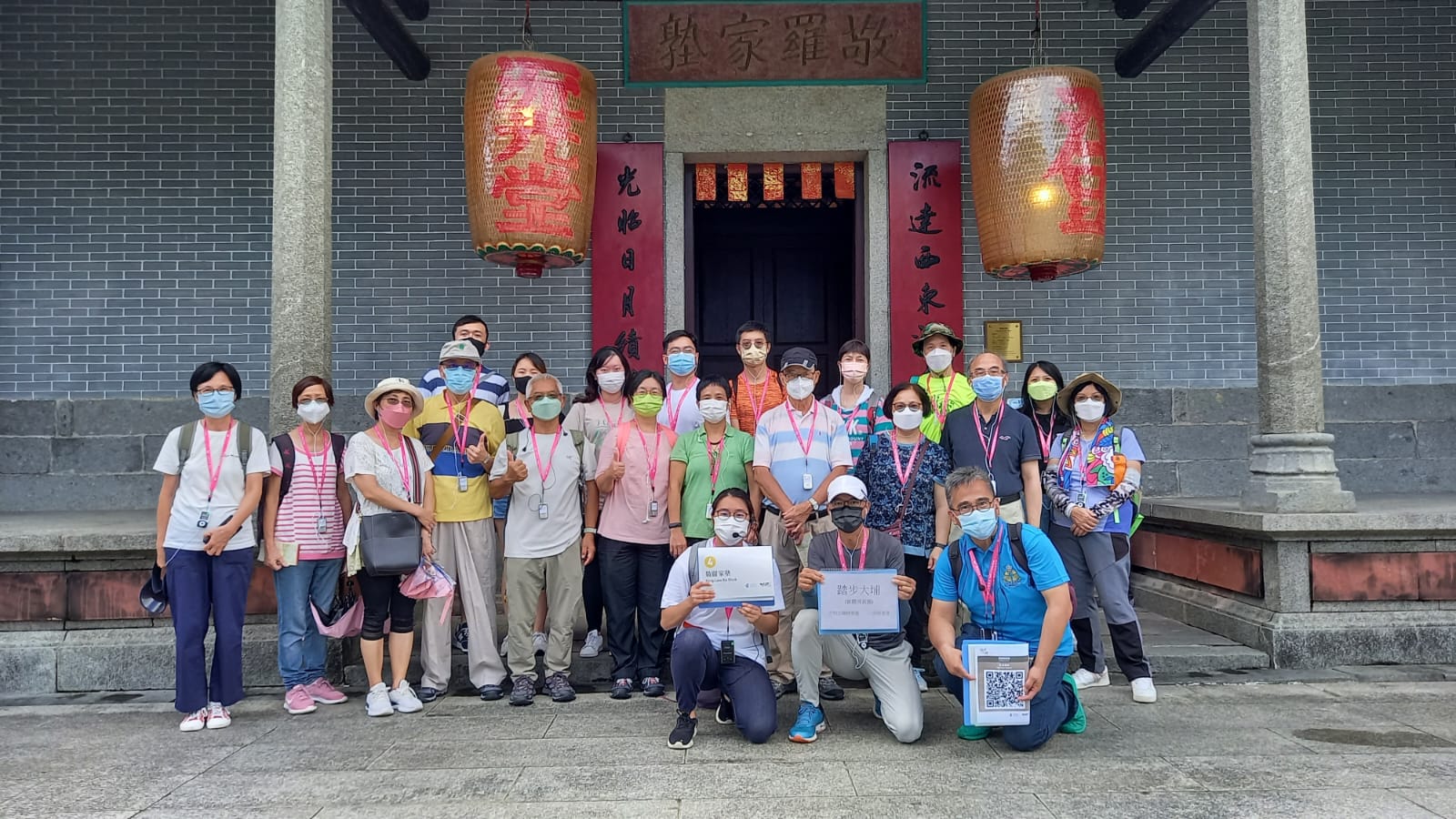
Uncover Tai Po’s layered past—from clan rivalries to historical milestones—through the stories etched into its historic buildings and ancestral halls.
 Tai Po
 2 hours
There are many interesting stories in Tai Po from the period of aboriginal people to the British-ruled era. The old memories still reverberate across the old buildings. The Old Tai Po Police Station and the Old North District office on Flagstaff Hill witnessed the British flag-raising ceremony, which marked the official British takeover of the New Territories
Man Sze Cheung Yuen is elegantly located in Kwong Fuk Road, with pink exterior walls. This building was a gift from squire Tang to his daughter who never got married. The modern residence in Luk Heung Lane preserves an ancestral hall which reveals the past emigration events of villagers from Luk Heung San Tsuen. The two ends of Kwong Fuk Bridge recorded the struggle between the Tang family and the Man family, providing evidence for the rise and fall of Tai Po Market and Tai Wo Shi.
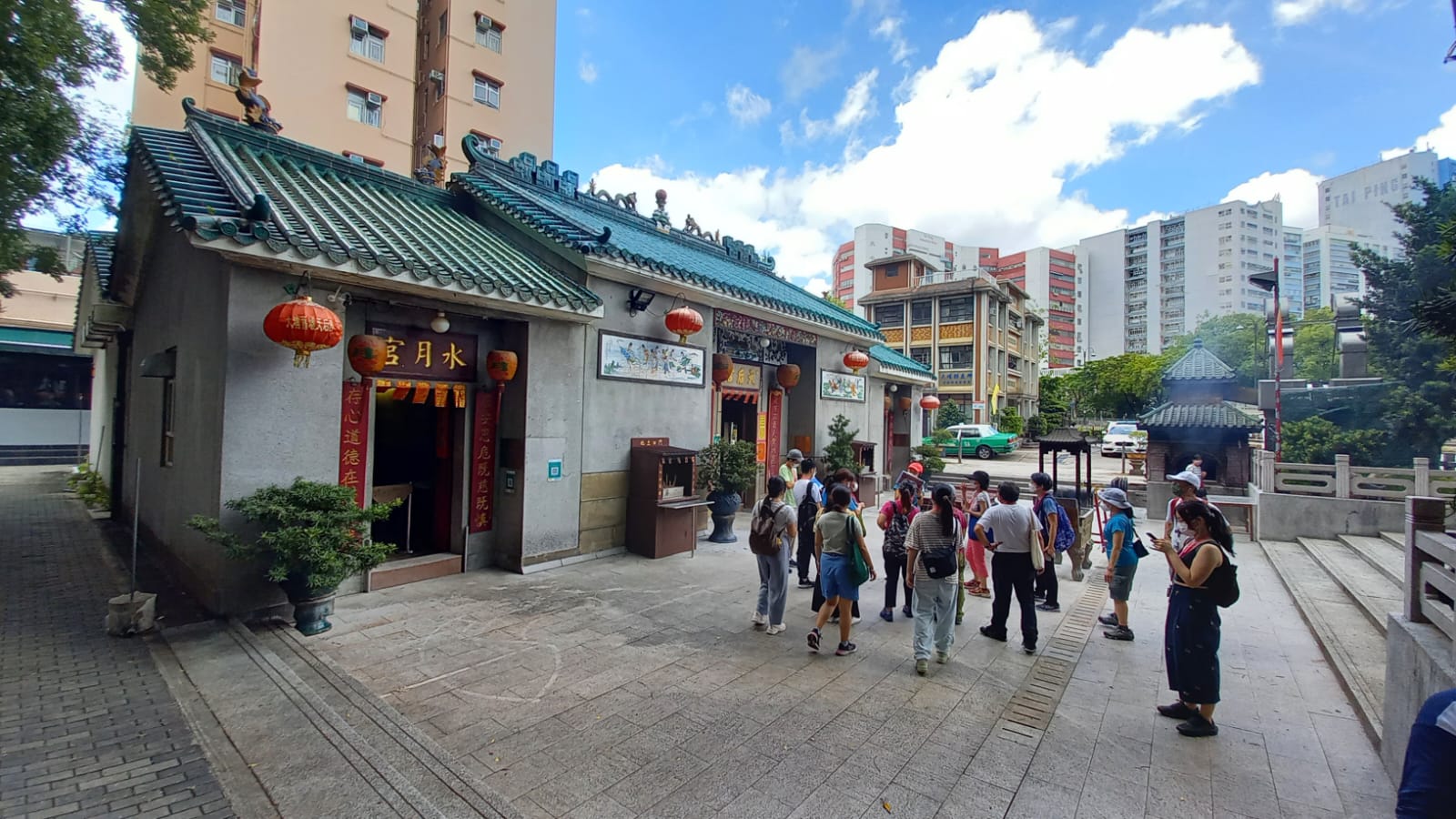
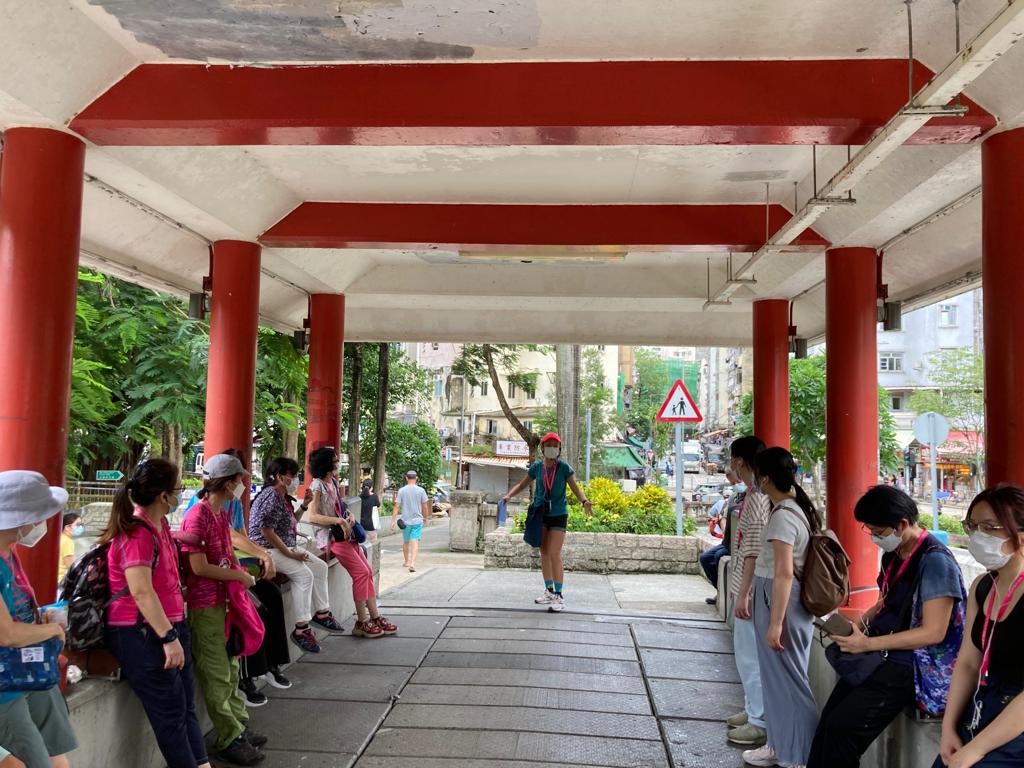
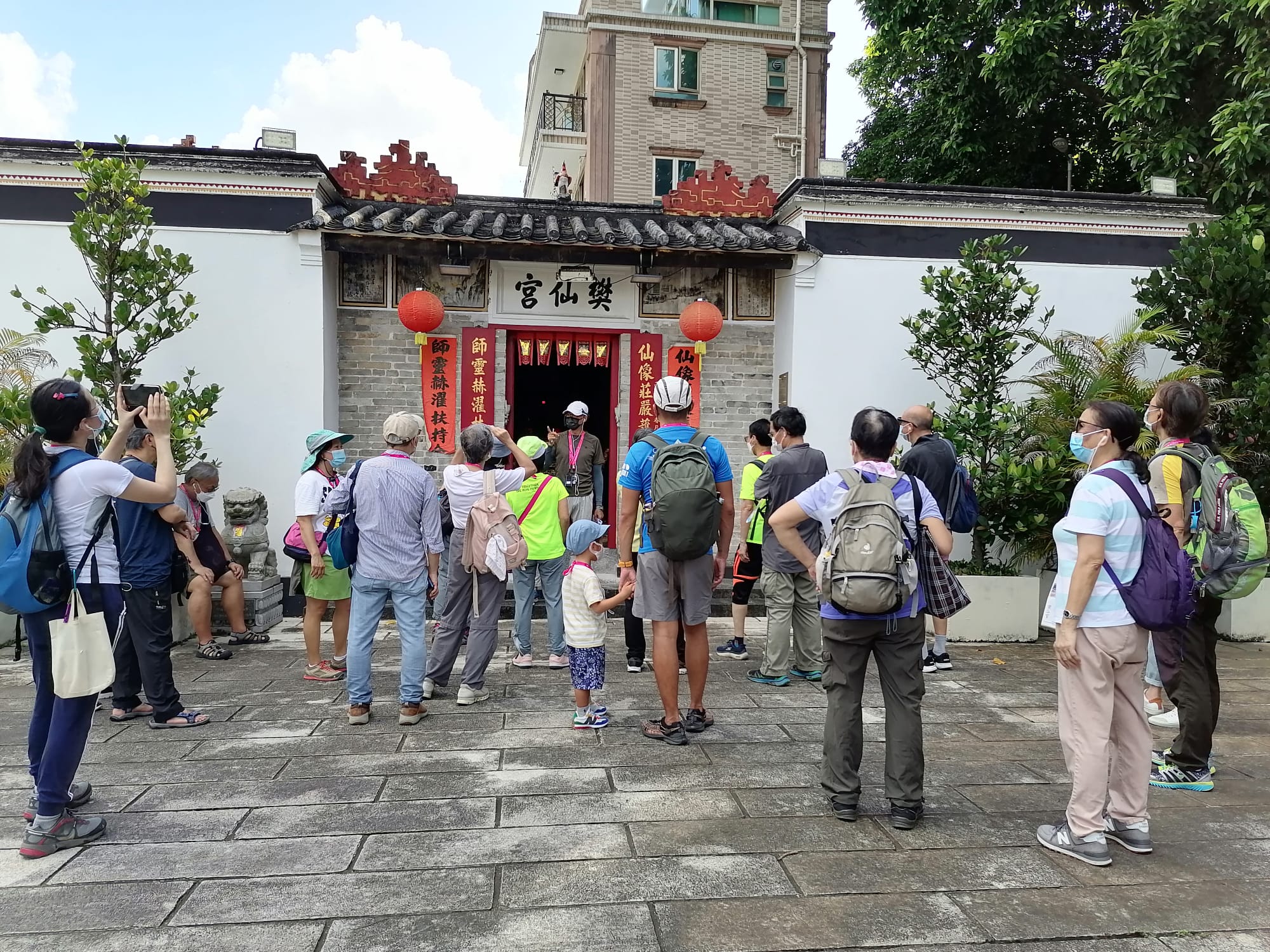
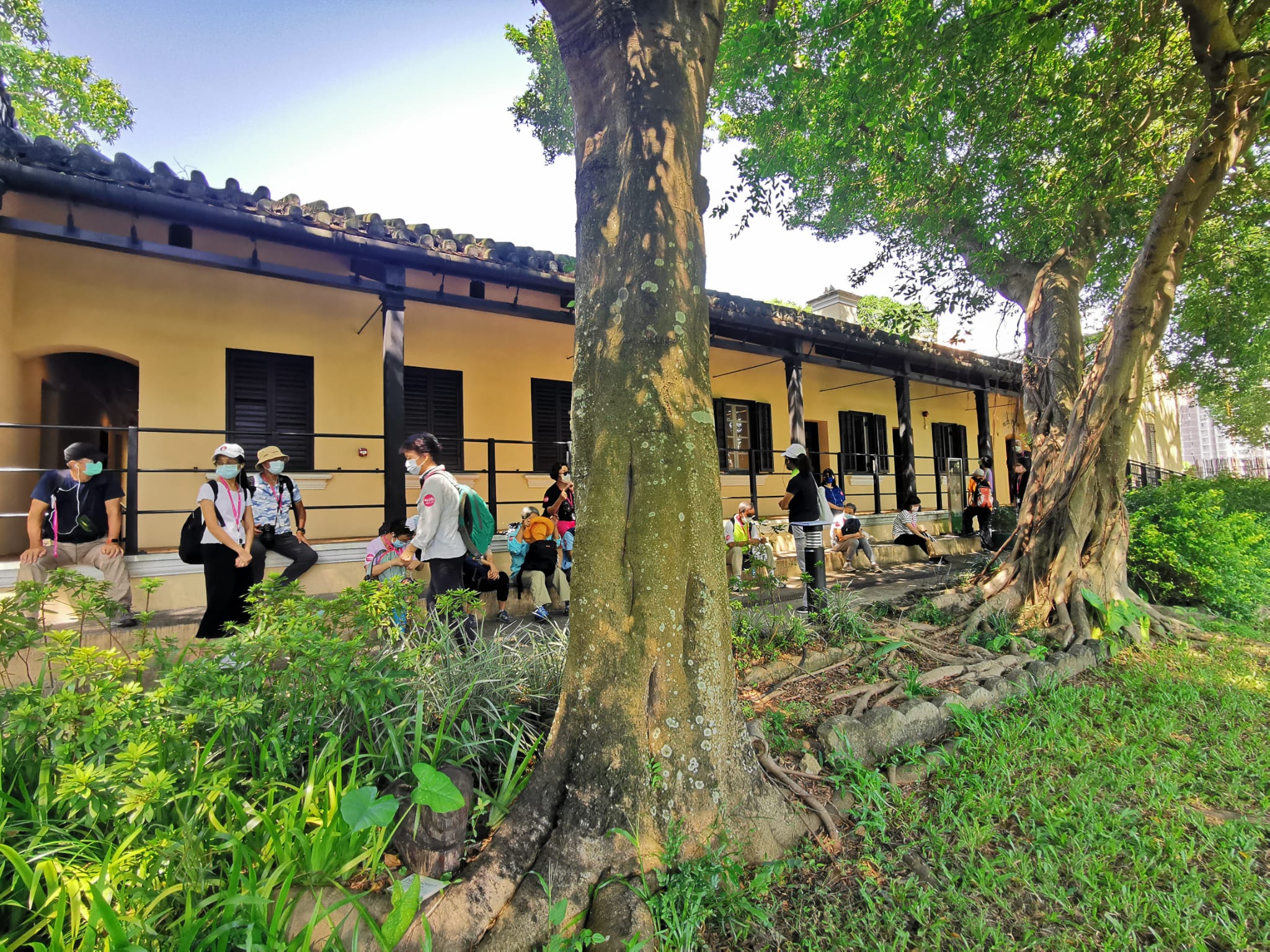
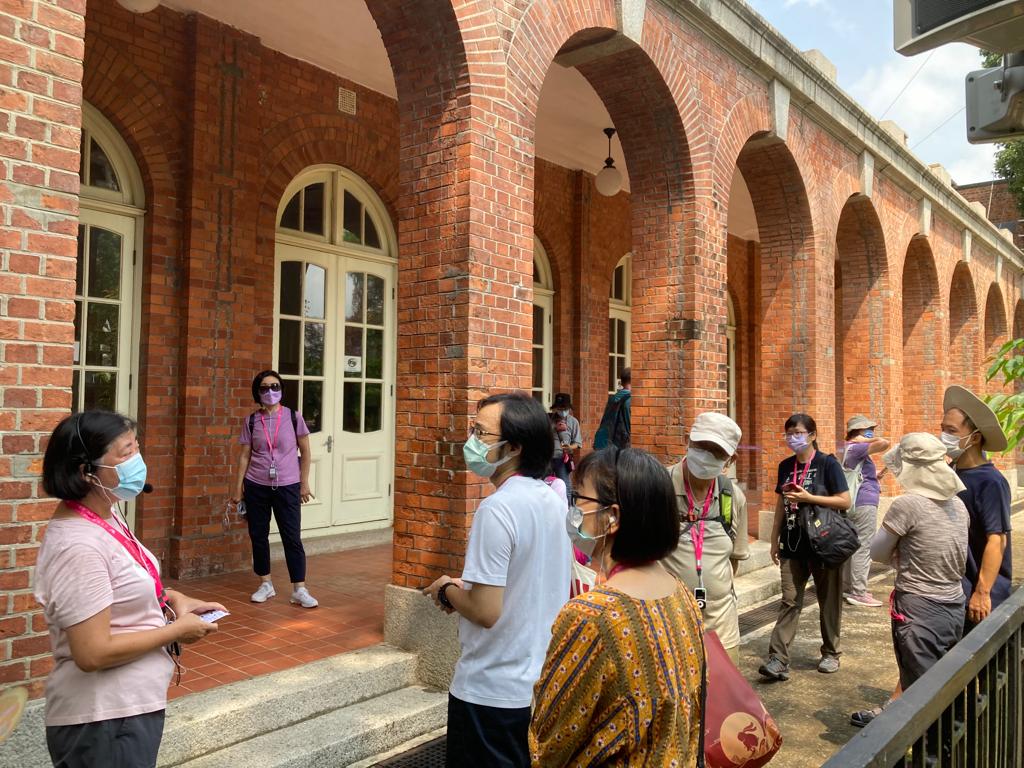


Discover Tai Po’s rich heritage through the temples, bridges, and historic buildings that still echo with stories of early village life and community rivalries. This walking tour traces the evolution of Tai Po from its indigenous roots to its bustling market-town days, highlighting how clans shaped the district’s social, cultural, and economic landscape.
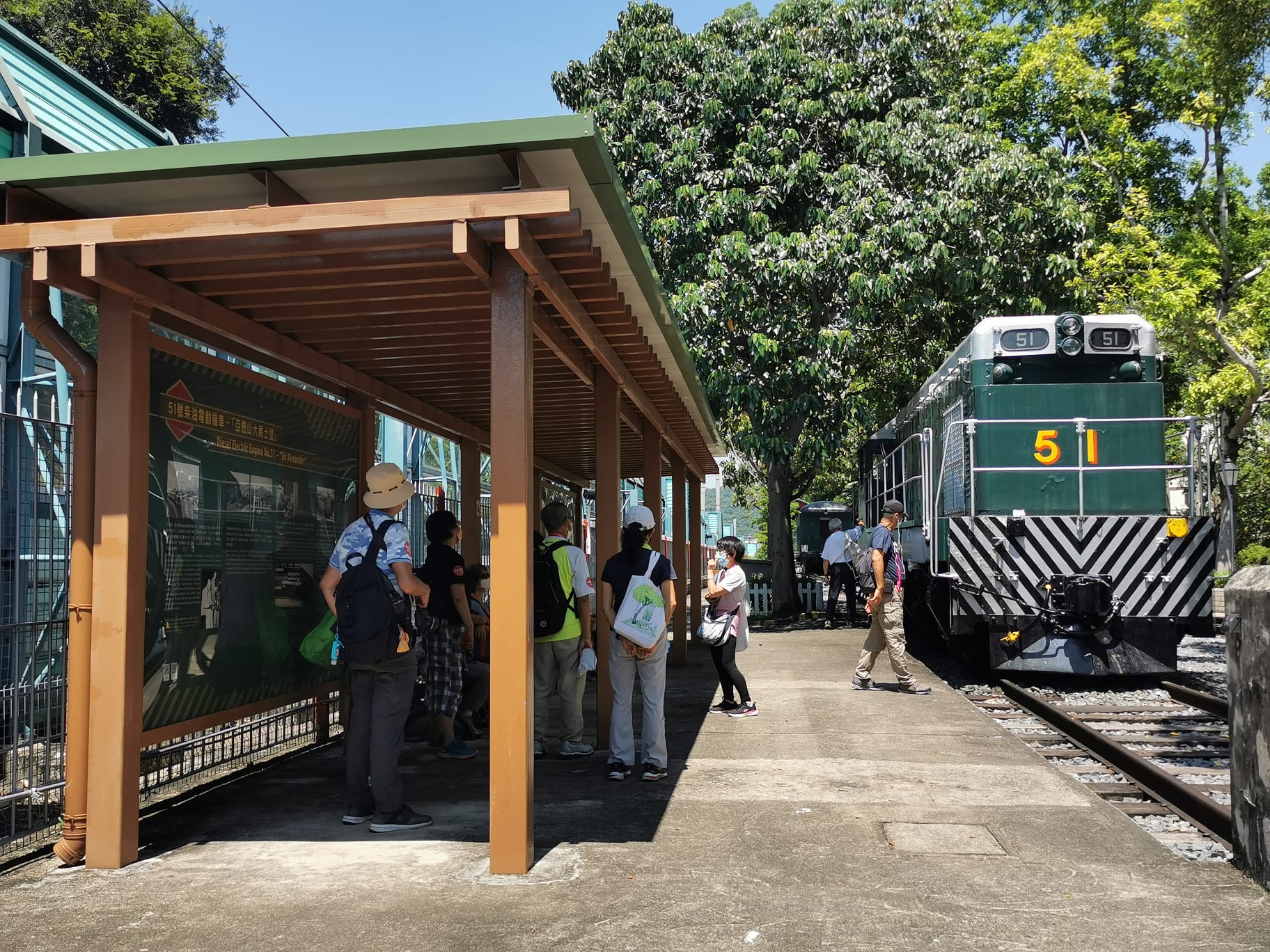
Starting from Tai Po Market Station, we visit the Old Tai Po Police Station and Old District Office North on Flagstaff Hill—key early administrative centres that once oversaw local affairs. At the beautifully preserved Old Tai Po Market Railway Station, we uncover how railways transformed movement and trade in the New Territories.
Along Kwong Fuk Road, we explore Man Sze Cheung Yuen, the graceful pink residence with a touching family story behind it, before stepping into Luk Heung Lane, where an ancestral hall reveals generations of migration from Luk Heung San Tsuen.
We end at Kwong Fuk Bridge, where the long-standing rivalry between the Tang and Man clans shaped the rise of Tai Po Market and Tai Wo Shi—marking the beginnings of the Tai Po we know today.
This tour invites you to walk through living history and experience Tai Po as a place where heritage, memory, and community spirit continue to endure.
Some of the points of interest include:
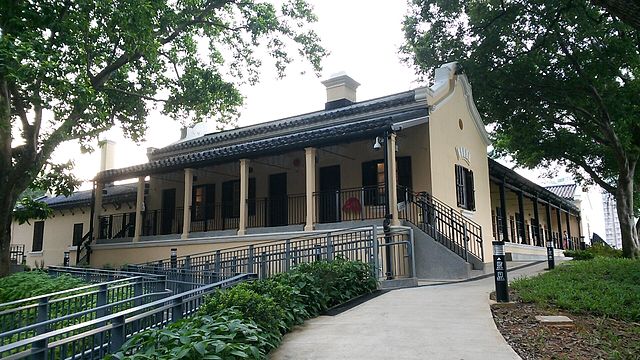
Old Tai Po Police Station (Green Hub)
Step into the very first police station in the New Territories, where old walls now cradle a new life as a centre for heritage and sustainable living.
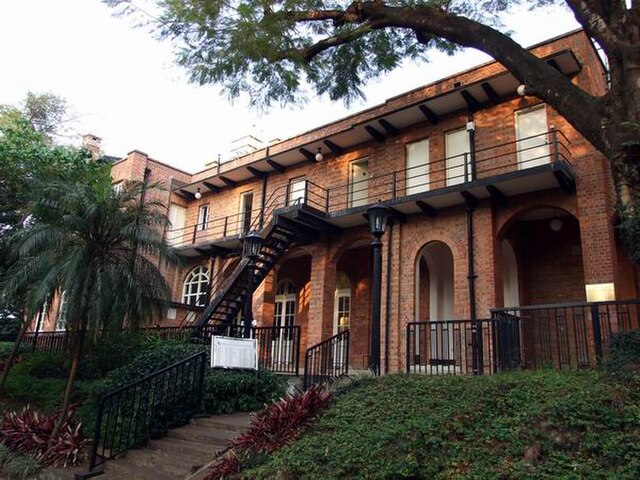
Old District Office North
Once the heart of local governance, now a scout base carrying forward its mission of community service.
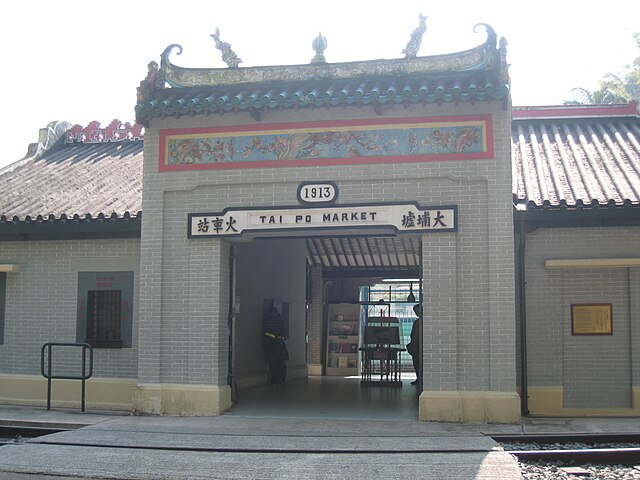
Old Tai Po Market Railway Station
Wander through a century‑old station built in traditional Chinese style, tracing the tracks of Hong Kong’s railway heritage.
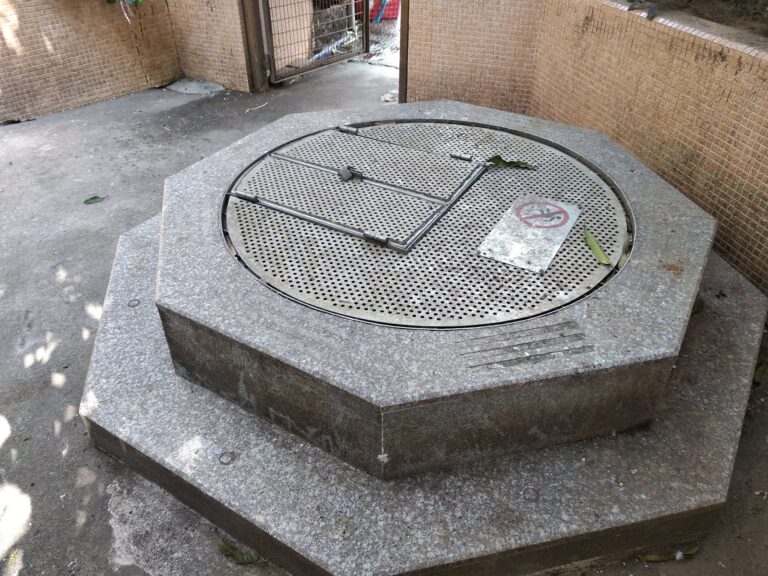
Feng Shui Well of the Seven Alliances of Tai Po
An inconspicuous well that once bound neighbouring villages together, holding the wisdom and unity of a bygone rural world.
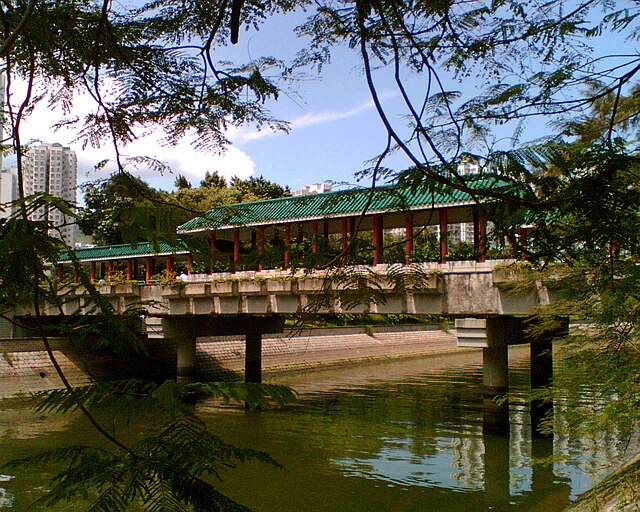
Kwong Fuk Bridge
Spanning the Lam Tsuen River, this historic crossing once linked bustling markets with quiet villages, carrying the footsteps and stories of generations.
Step into the very first police station in the New Territories, where old walls now cradle a new life as a centre for heritage and sustainable living.
Once the heart of local governance, now a scout base carrying forward its mission of community service.
Wander through a century‑old station built in traditional Chinese style, tracing the tracks of Hong Kong’s railway heritage.
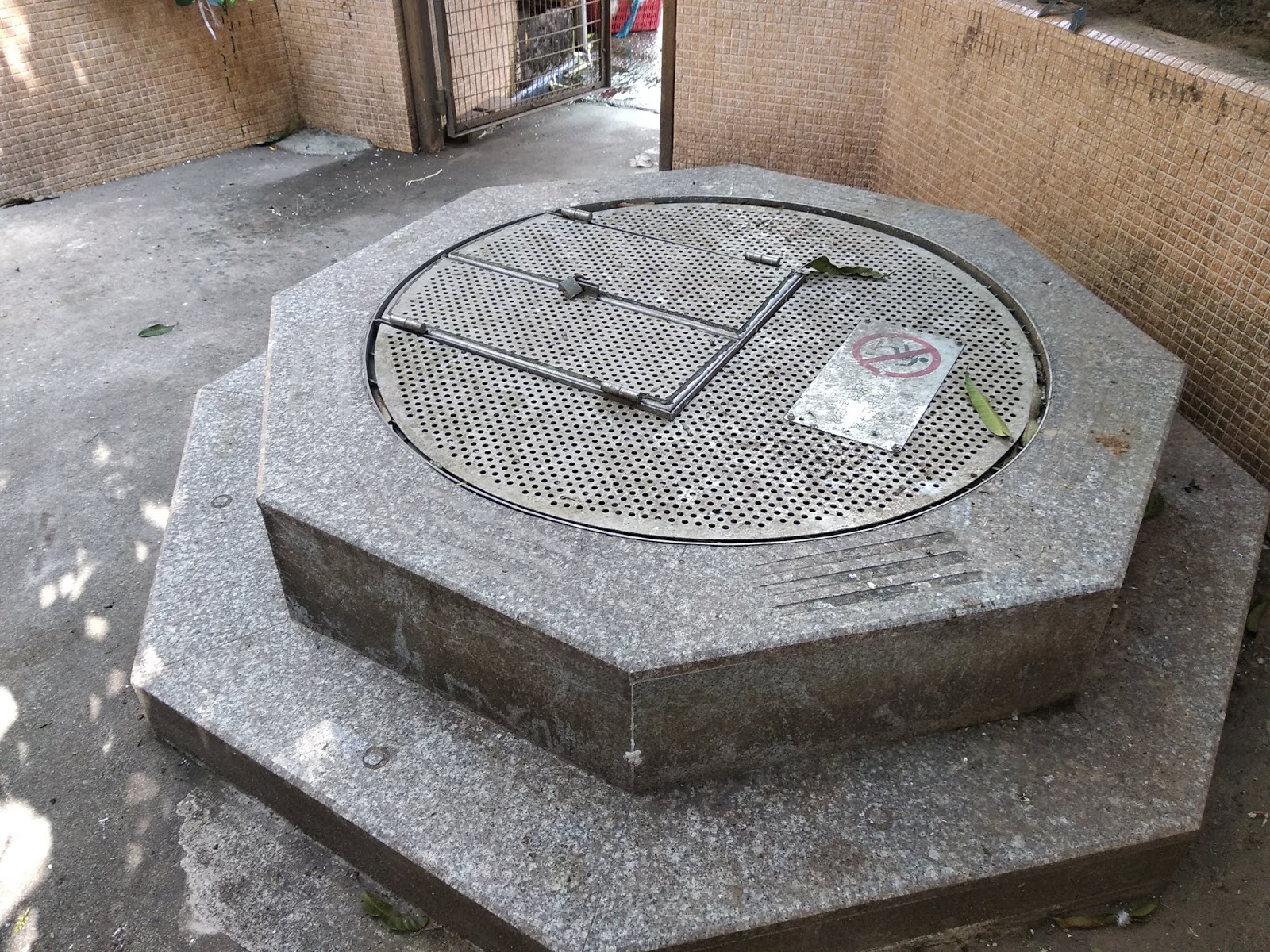
An inconspicuous well that once bound neighbouring villages together, holding the wisdom and unity of a bygone rural world.
Spanning the Lam Tsuen River, this historic crossing once linked bustling markets with quiet villages, carrying the footsteps and stories of generations.
History
Chinese History




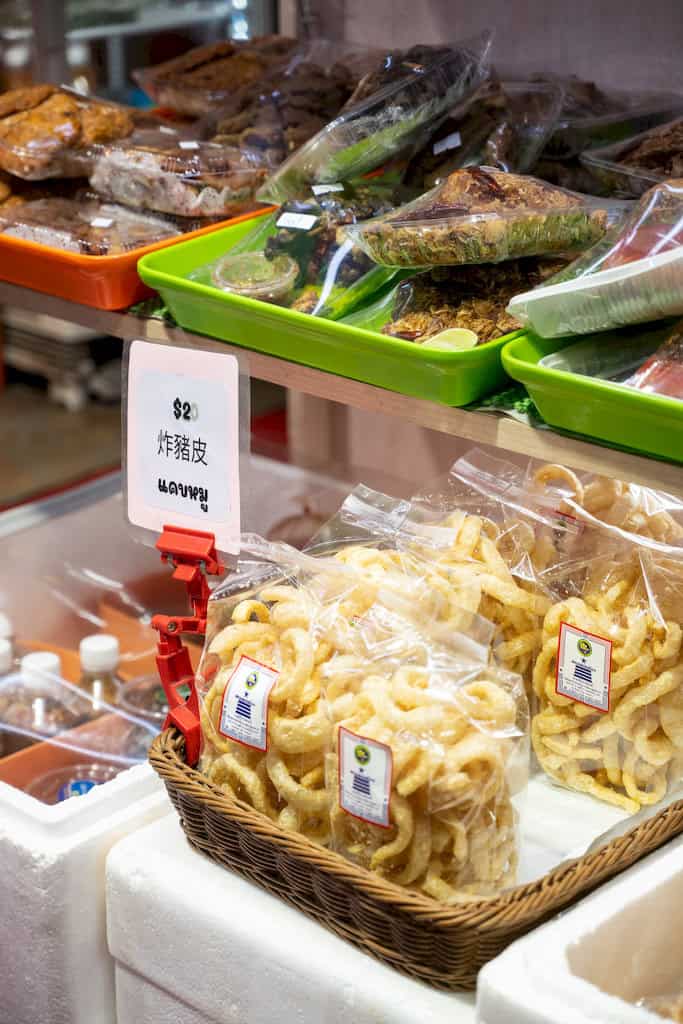
Explore Kowloon City through its rich food culture and uncover the stories behind its transformation from the Walled City to today’s vibrant neighbourhood.
Kowloon City
2 hours
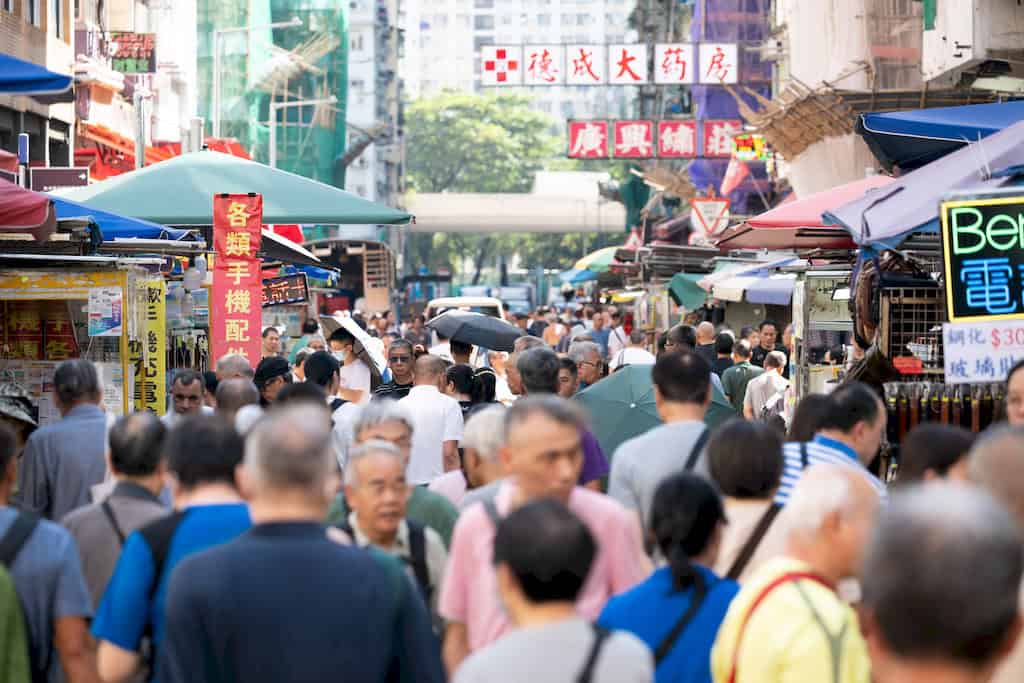
Let's explore the grassroots' daily life and understand diversified and various Sham Shui Po.
Sham Shui Po
2 hours
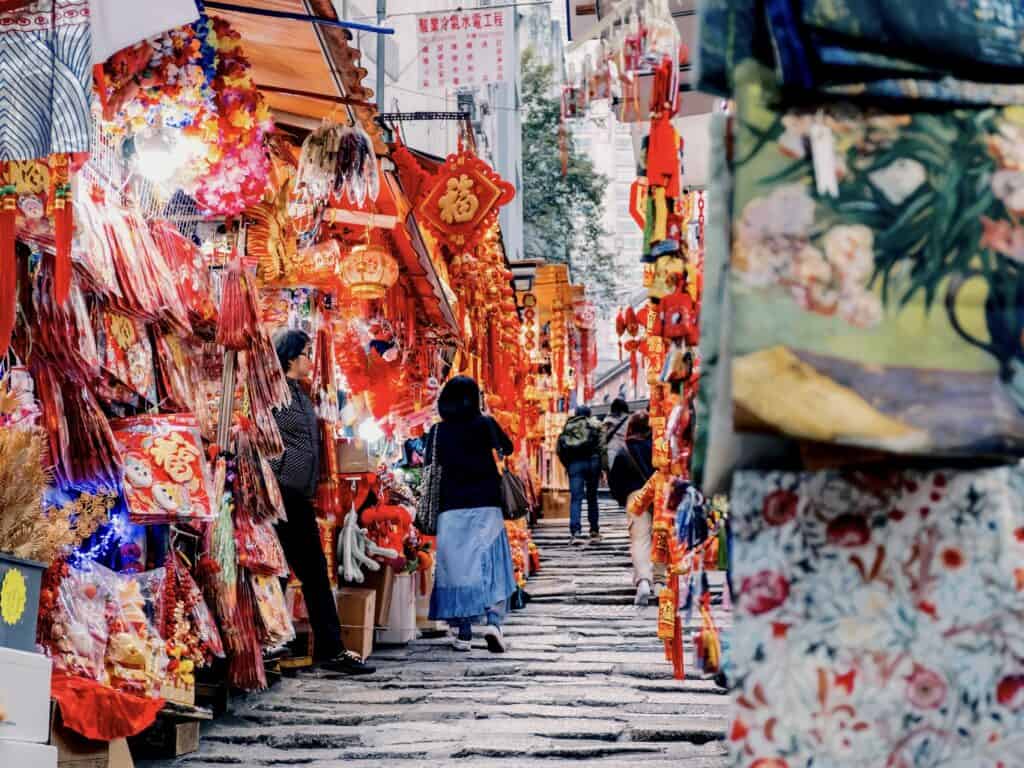
Travel through Central and Sheung Wan to learn about Hong Kong's history and architecture
Central and Sheung Wan
2 hours
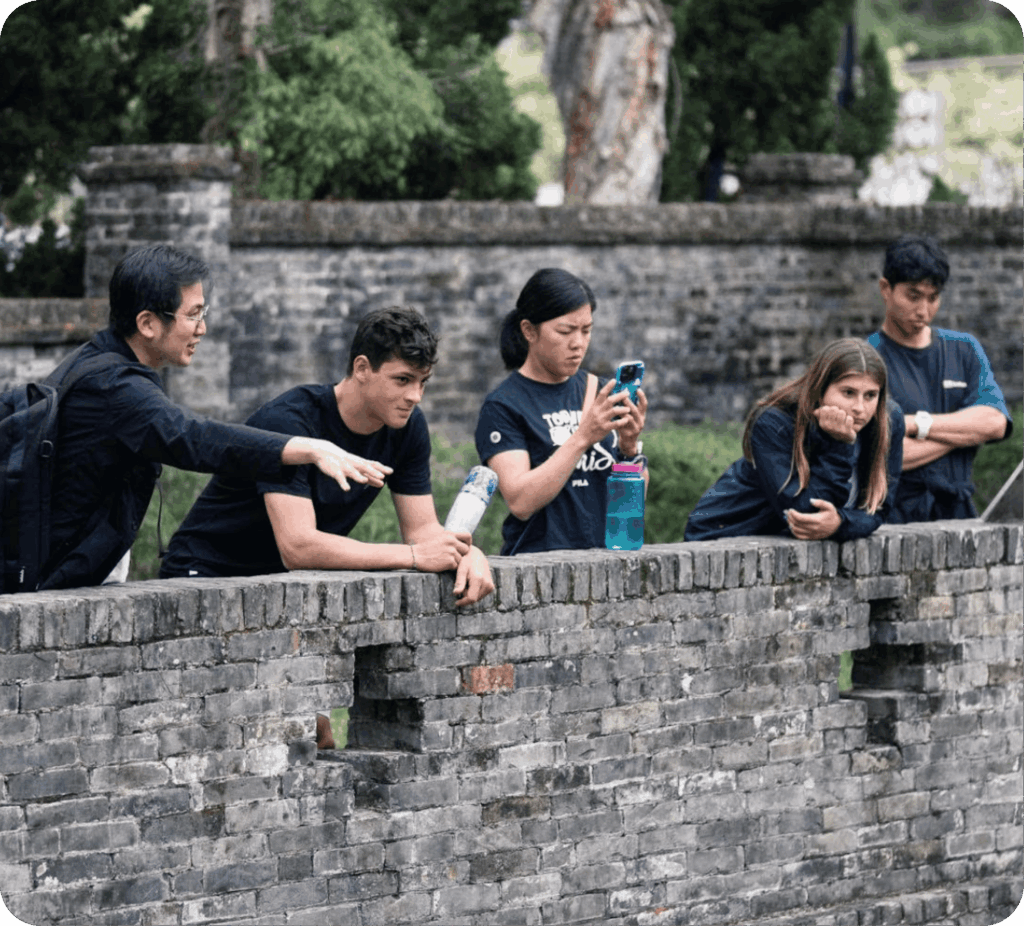
Learn more about the prosperity and the story of the demolition of the once-existing Chaos.
Kowloon City
2 hours
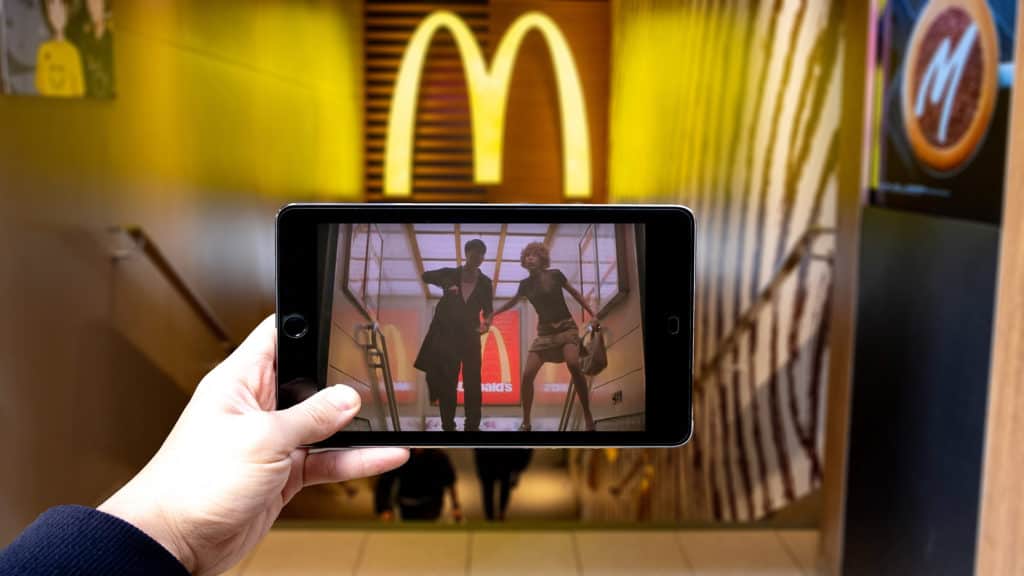
Discover Hong Kong’s cinematic heritage, from Tsim Sha Tsui’s bustling streets to hidden film landmarks, and experience the magic of light and shadow shaping the city’s identity.
Tsim Sha Tsui
2 hours
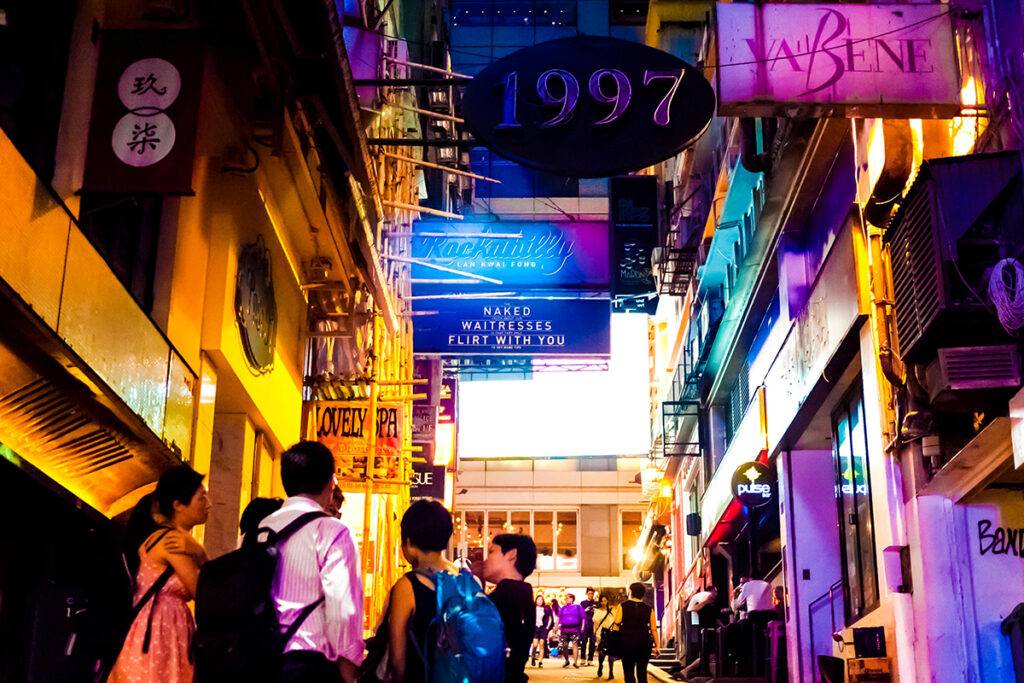
Understand Hong Kong's multi-gender culture and listen to LGBT stories
Central and Sheung Wan
2 hours
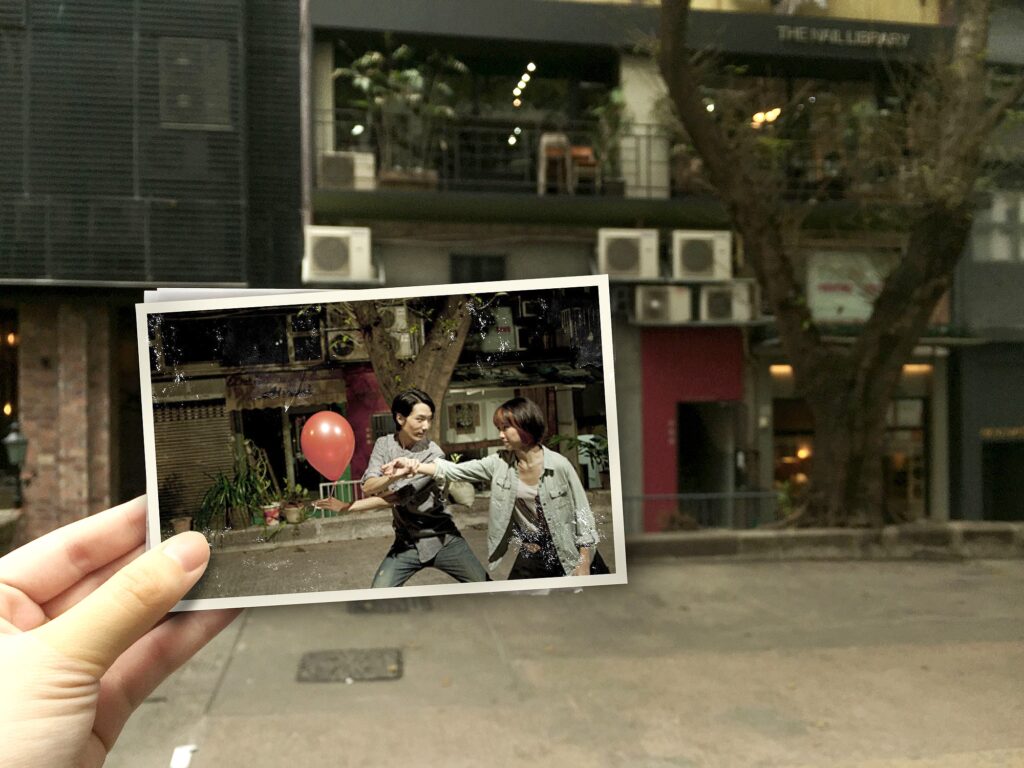
Explore Hong Kong's pop culture through the lens of light and shadow
Sheung Wan
2 hours