Experiences explained
Journeys into the soul of Hong Kong. Each experience is crafted to reveal the city through stories, people, and moments you won’t find in guidebooks.
Begin here
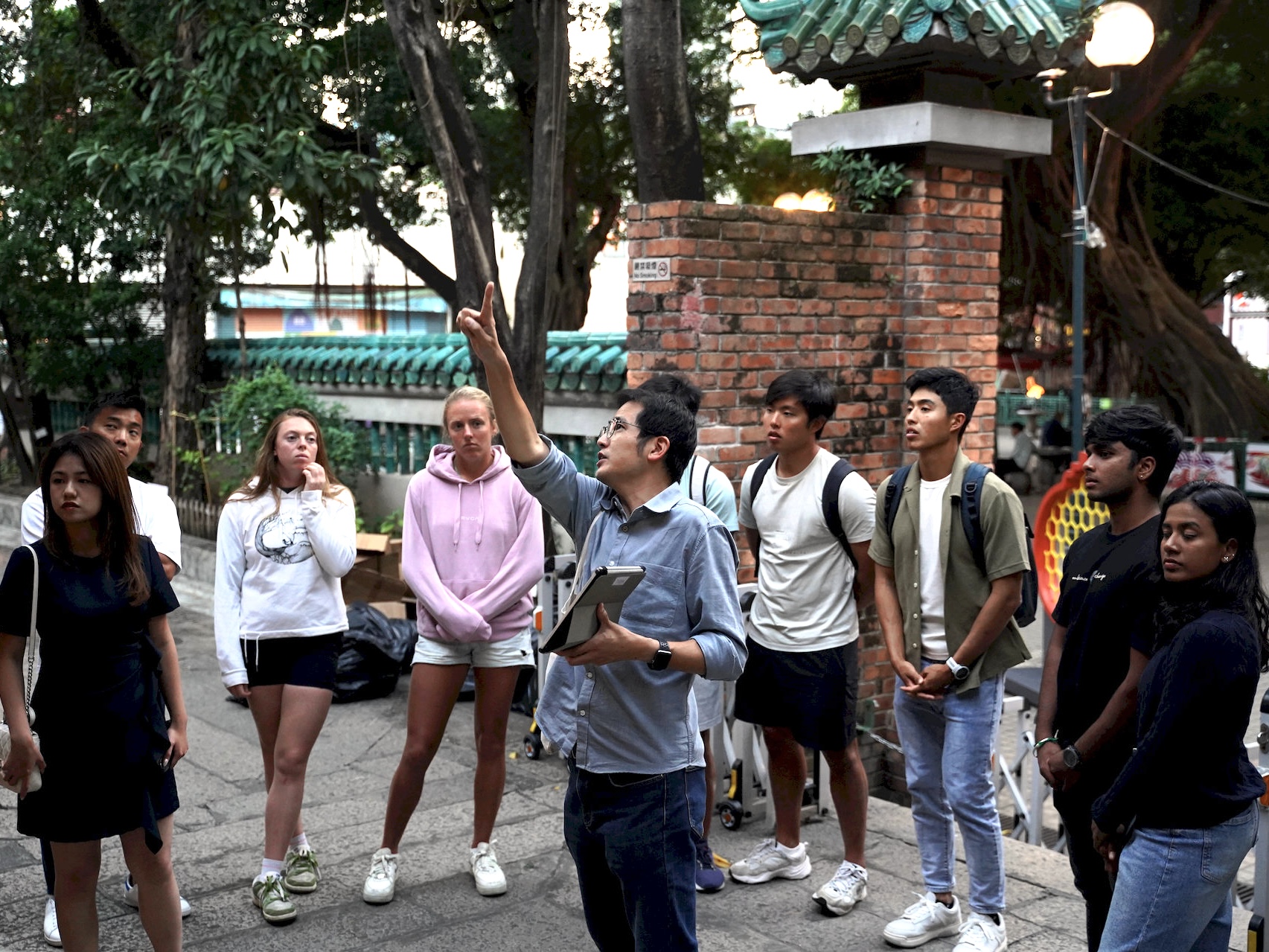
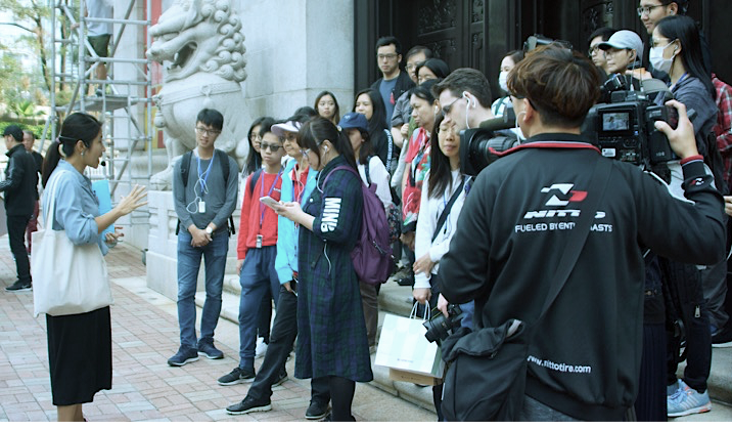
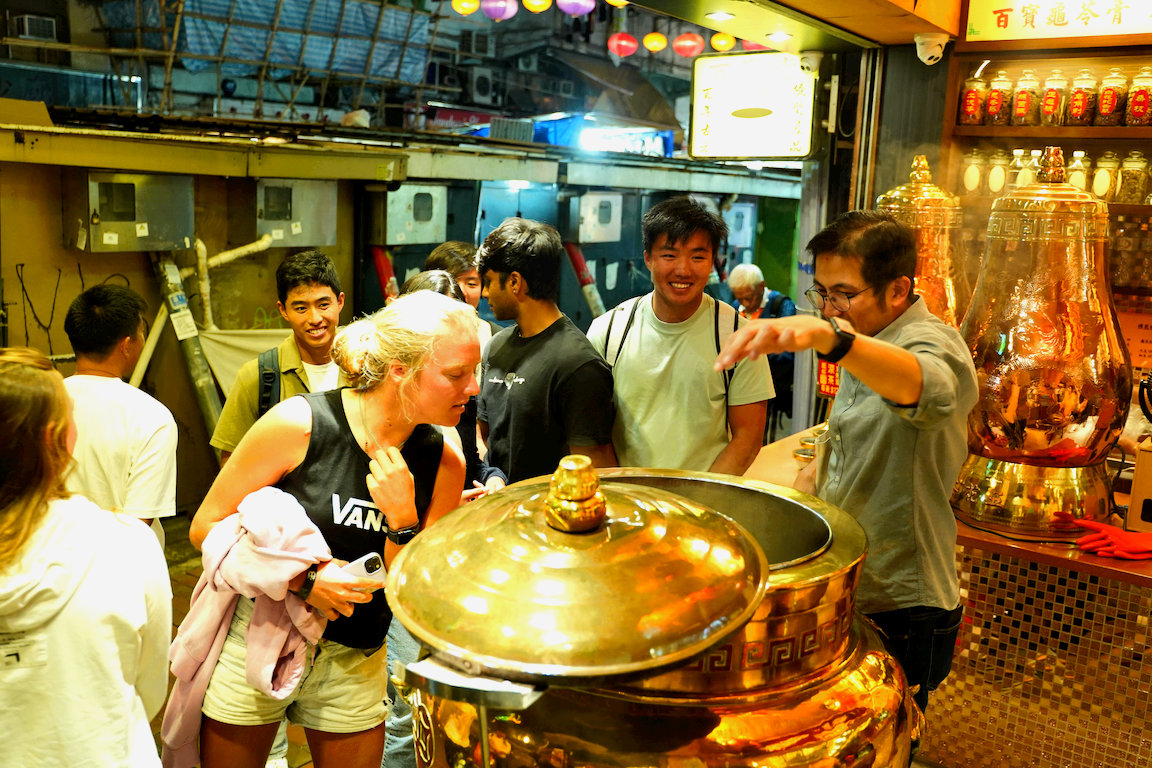
Walk the streets where history whispers and everyday life unfolds. Uncover hidden stories behind familiar landmarks and forgotten corners.
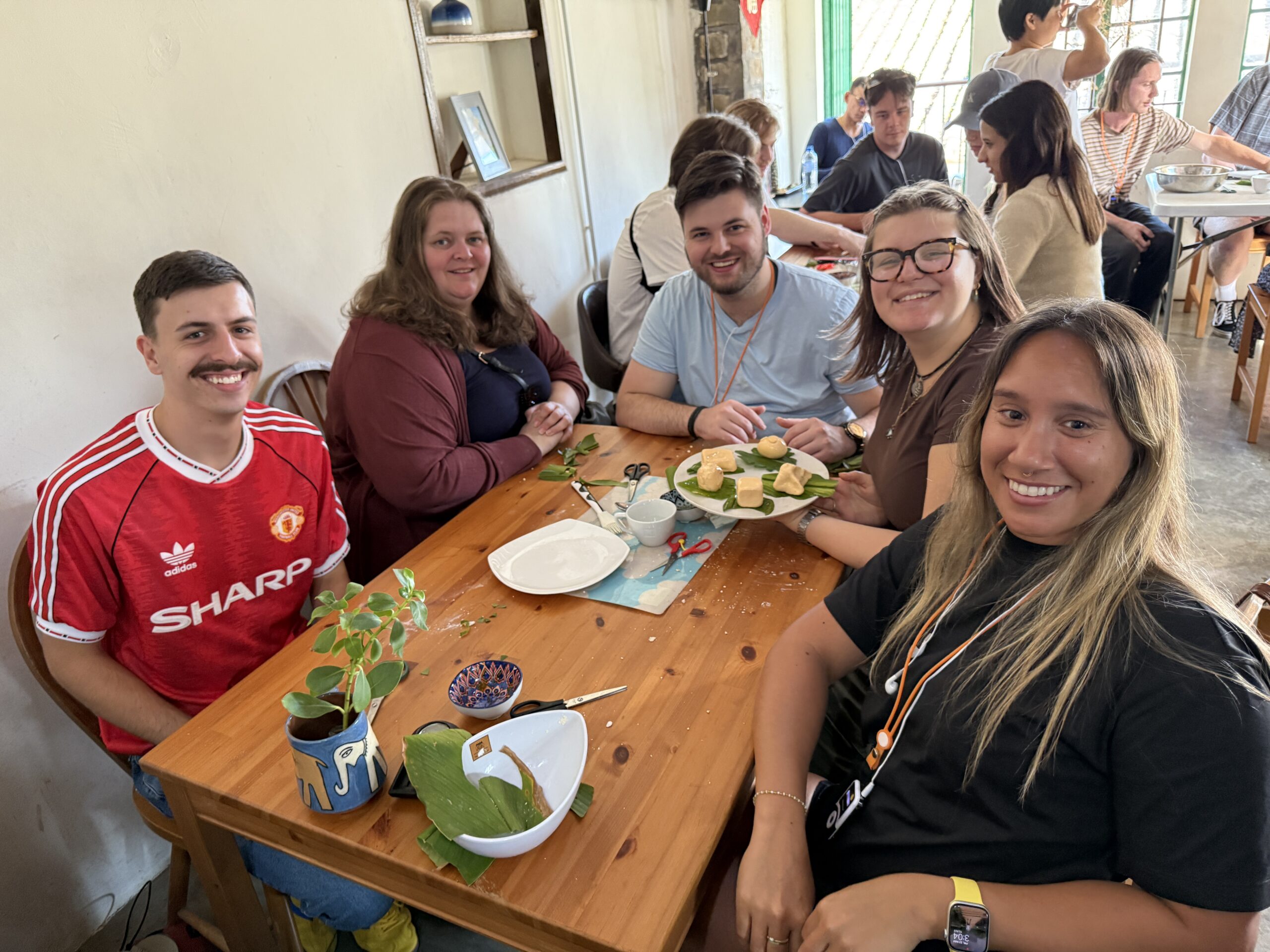
Create, taste, listen, and learn: hands-on cultural encounters that invite you to experience Hong Kong with all your senses.
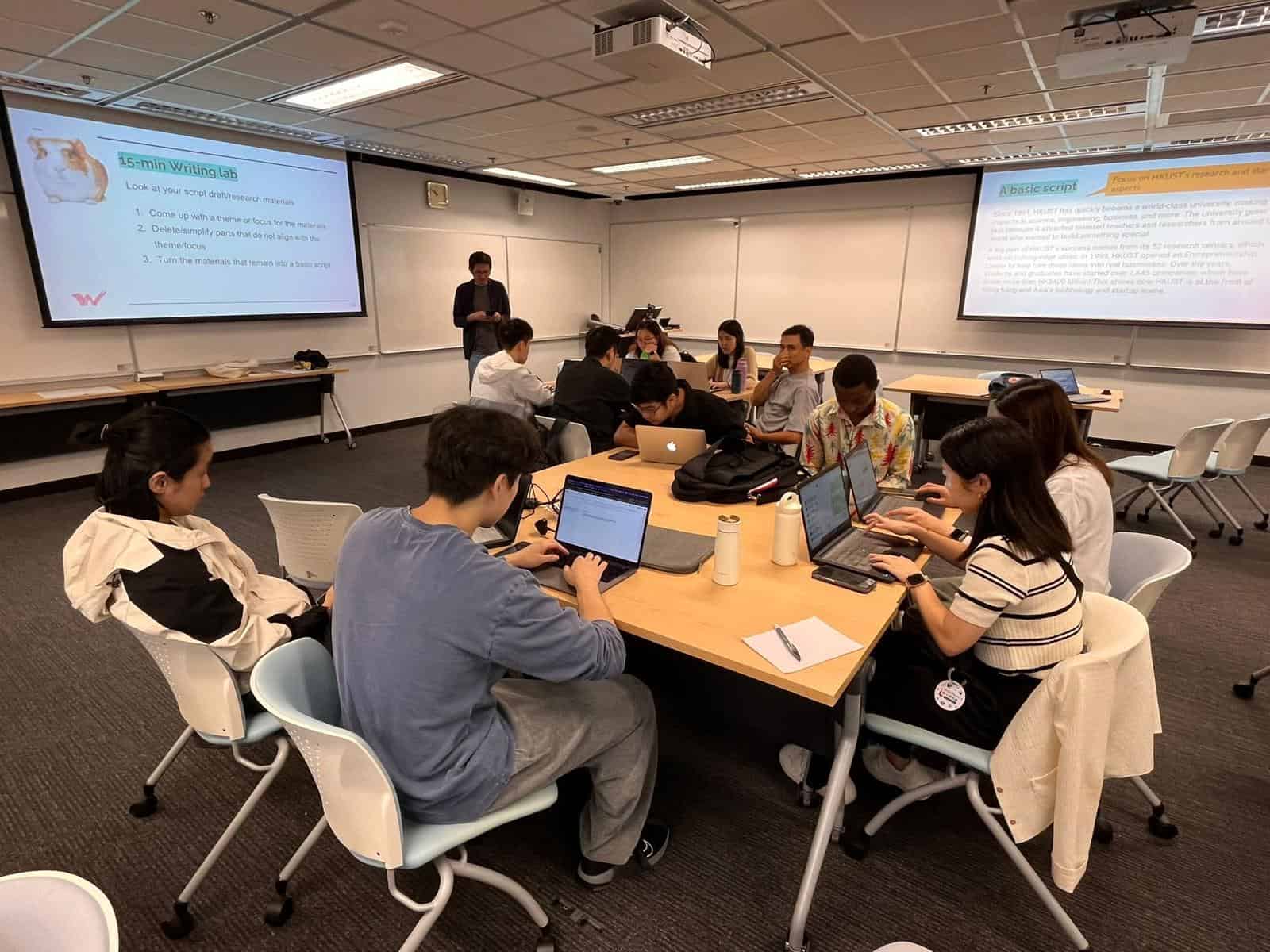
Sharpen your storytelling and communication skills through immersive, experience-led learning rooted in the city itself.
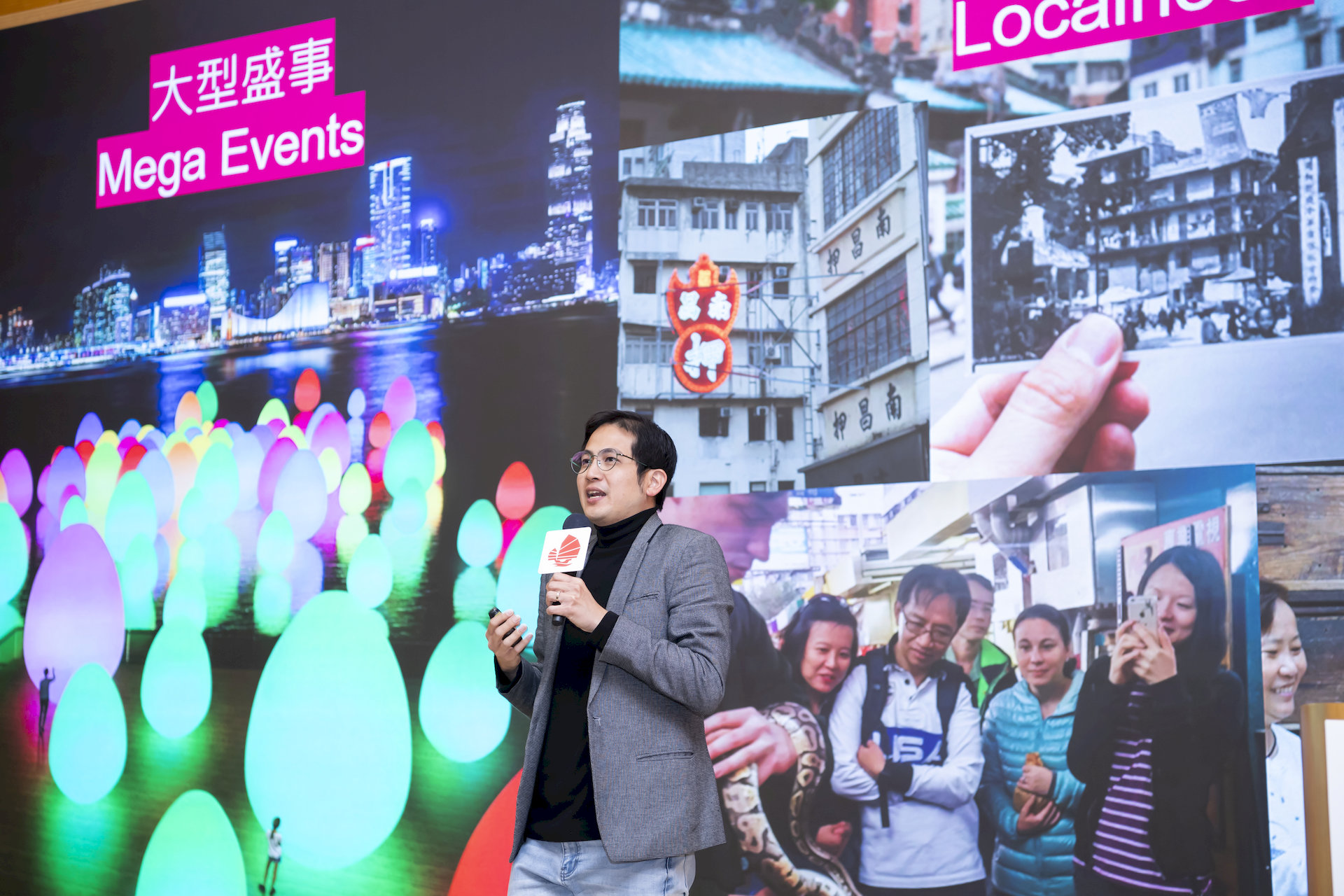
Stories that provoke thought, challenge assumptions, and deepen your understanding of Hong Kong’s layered identity.
We also do custom tours. Have something specific in mind? You dream it, we create it. Get in touch.
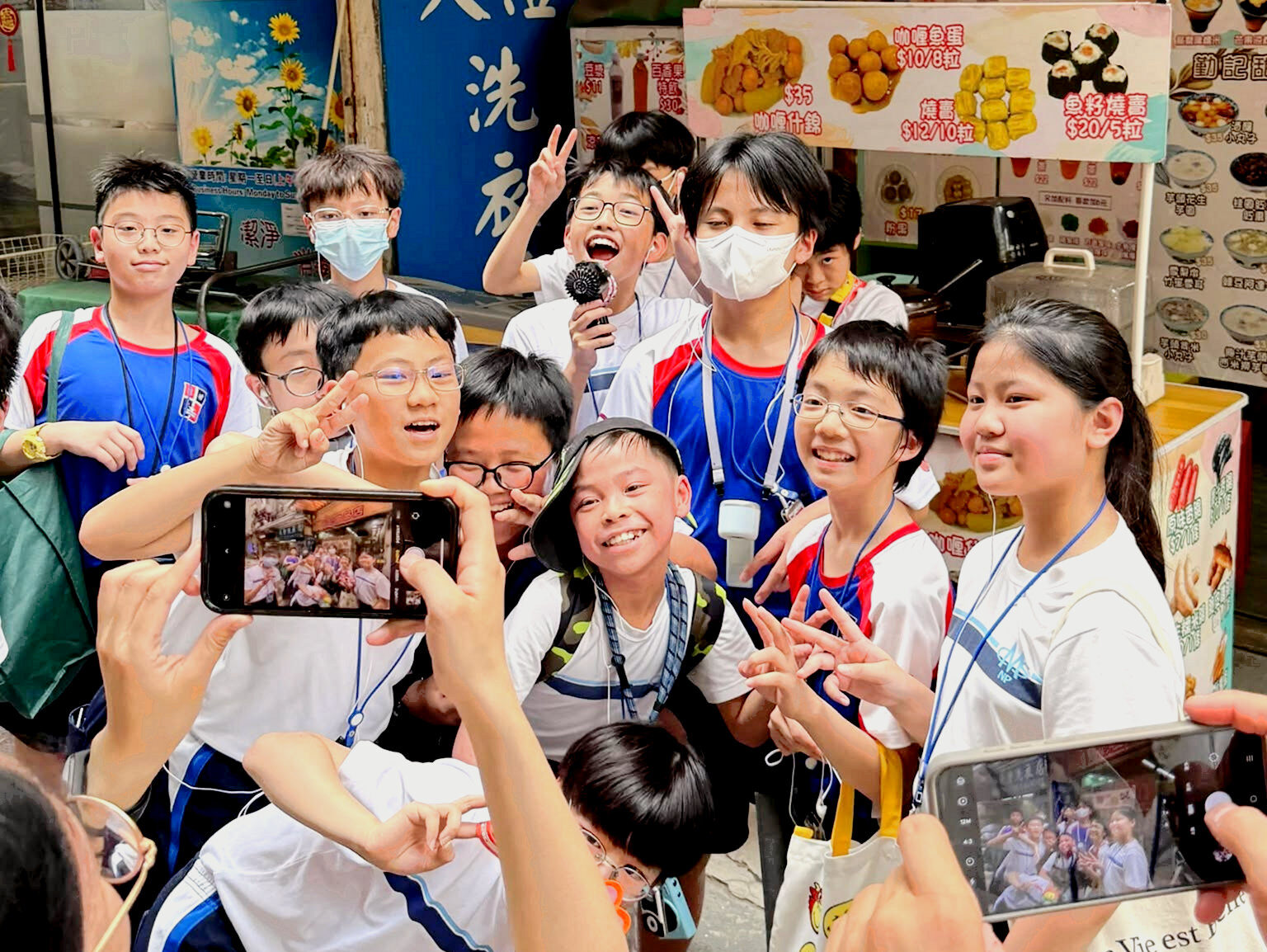
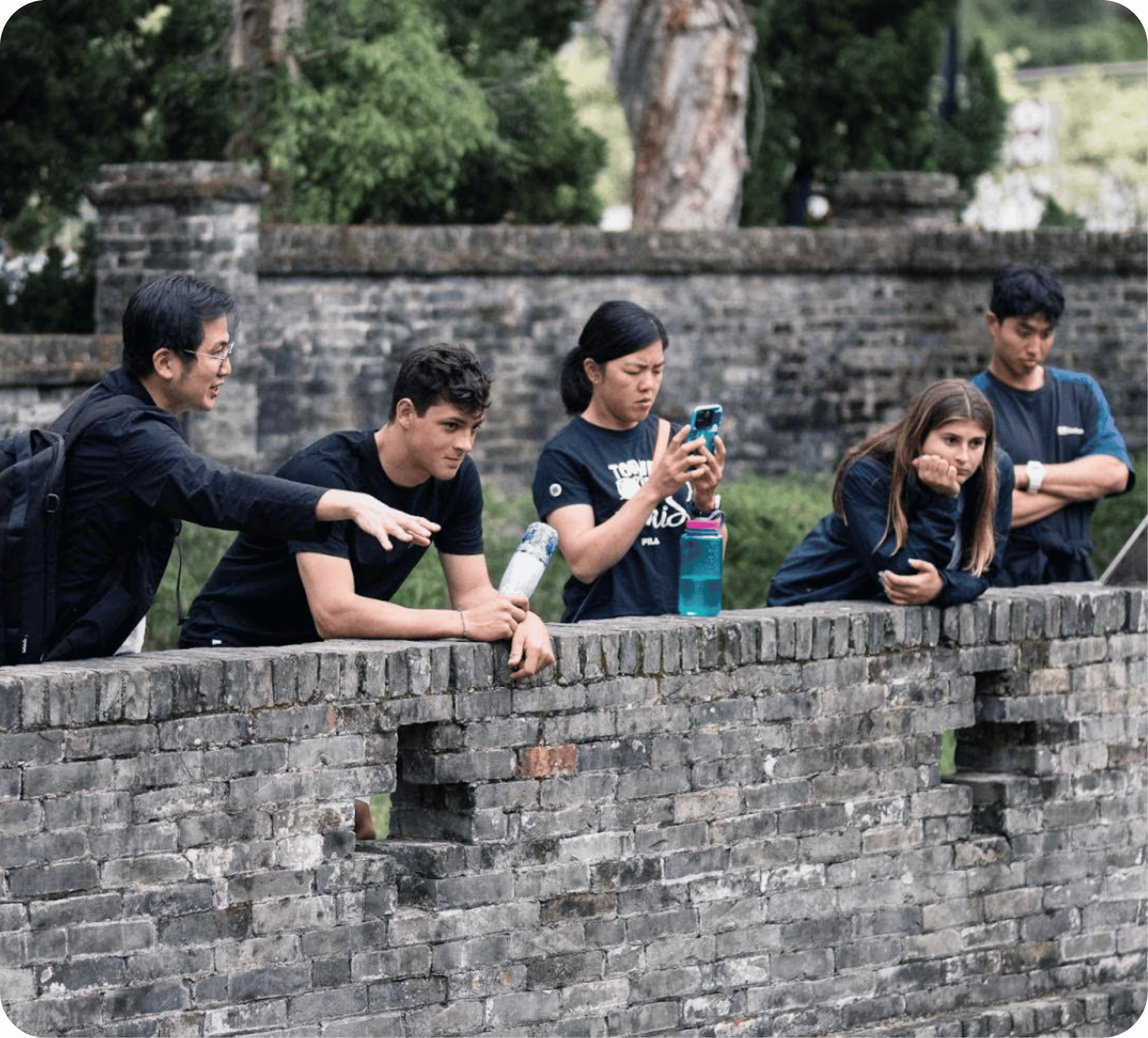
We turn Hong Kong into a living classroom, where syllabus meets streets, and theory meets lived reality.
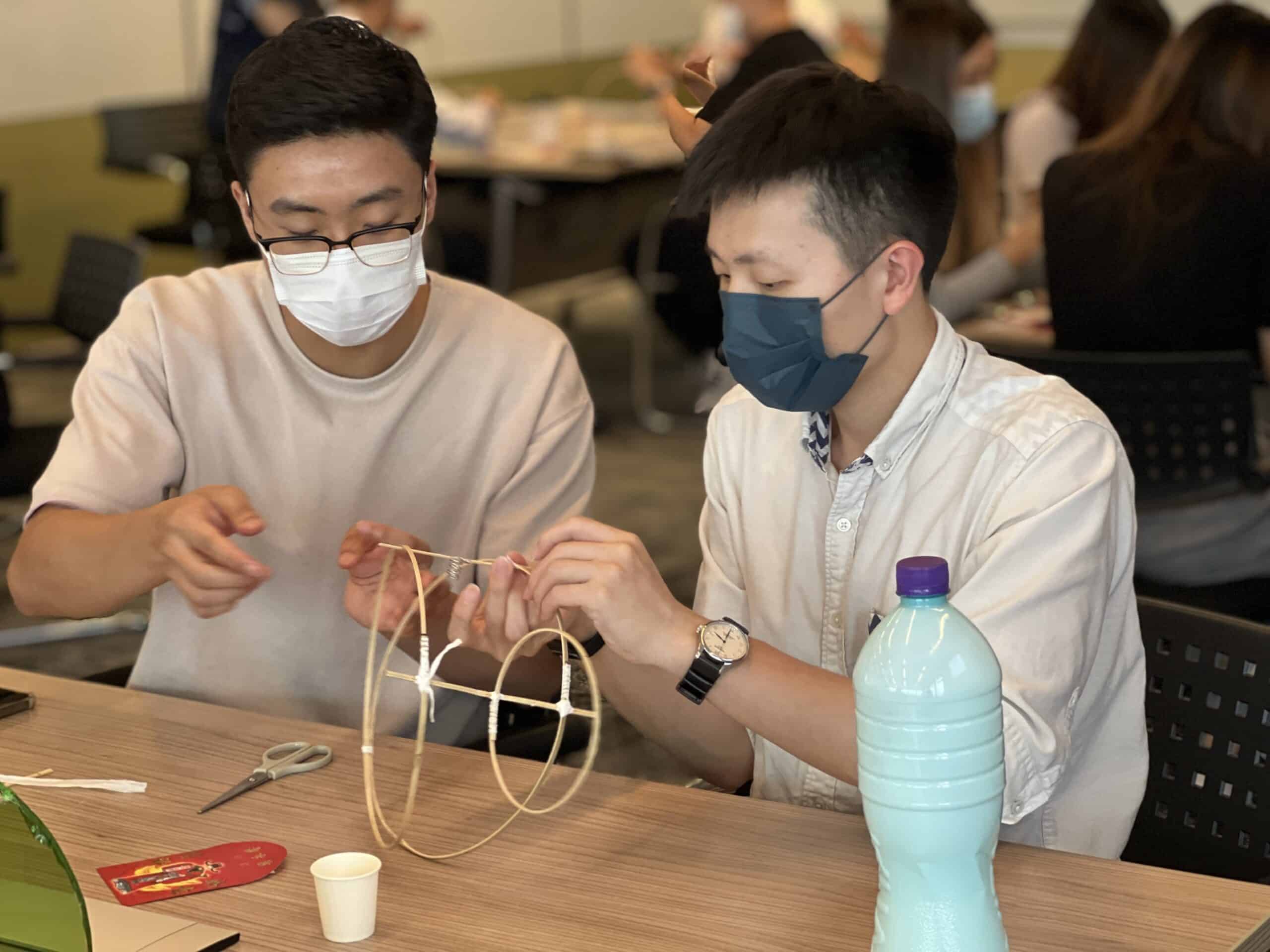
Explore beyond the textbook. Explore Intangible Cultural Heritage (ICH), field study, and integrated tour-workshops designed for hands-on, active discovery.
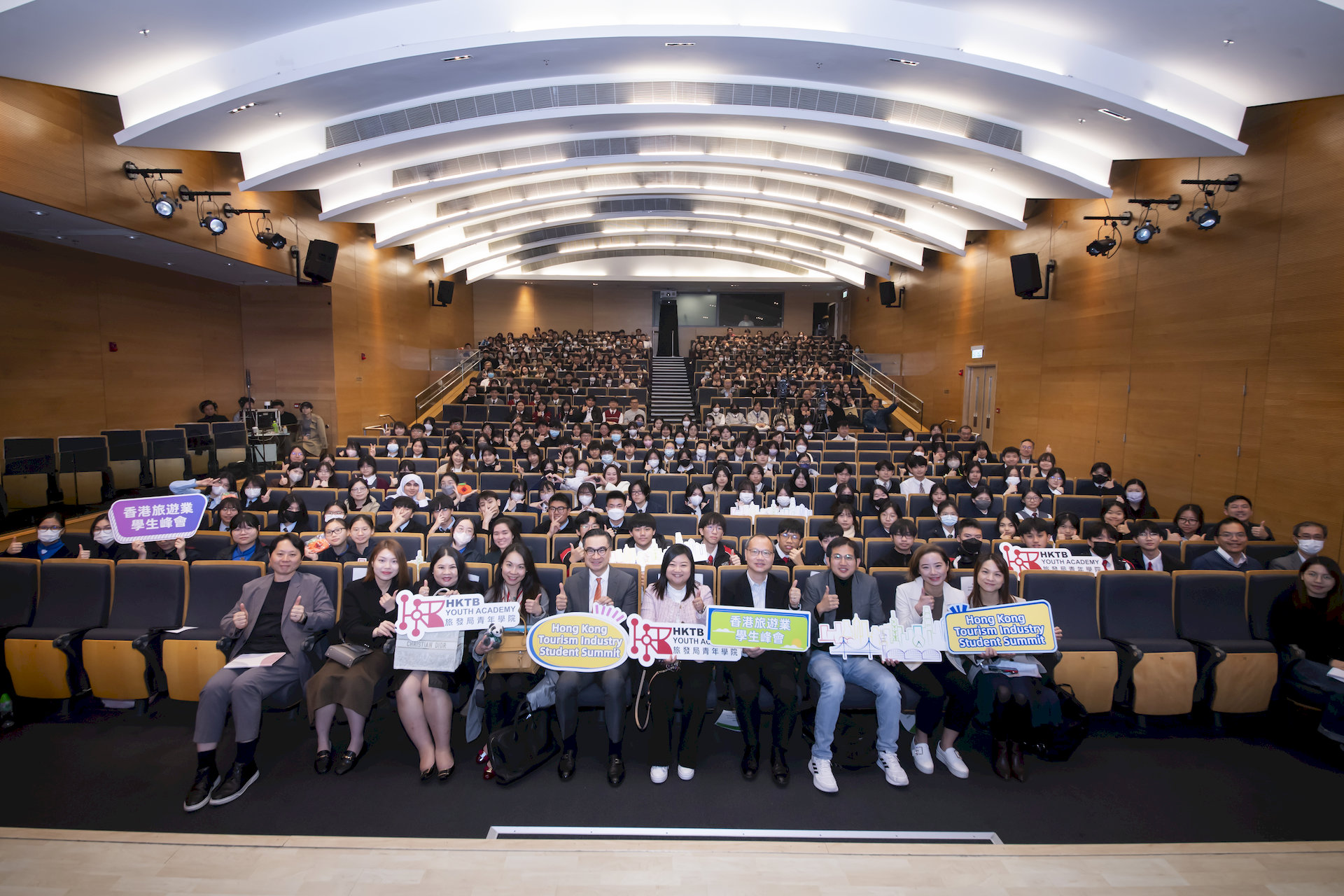
Inquiry in action. Students interpret sources, debate perspectives, conduct their own interviews, and build their own narratives.
From knowledge to voice. We train students to communicate ideas with clarity, confidence, and purpose.
We also do custom tours. Have something specific in mind? You dream it, we create it. Get in touch.
Step beyond boardrooms. Our curated community journeys invite your team to see, listen, and engage with the social fabric of Hong Kong.
From awareness to action. Interactive workshops that spark empathy, strengthen dialogue, and turn shared values into collective impact.
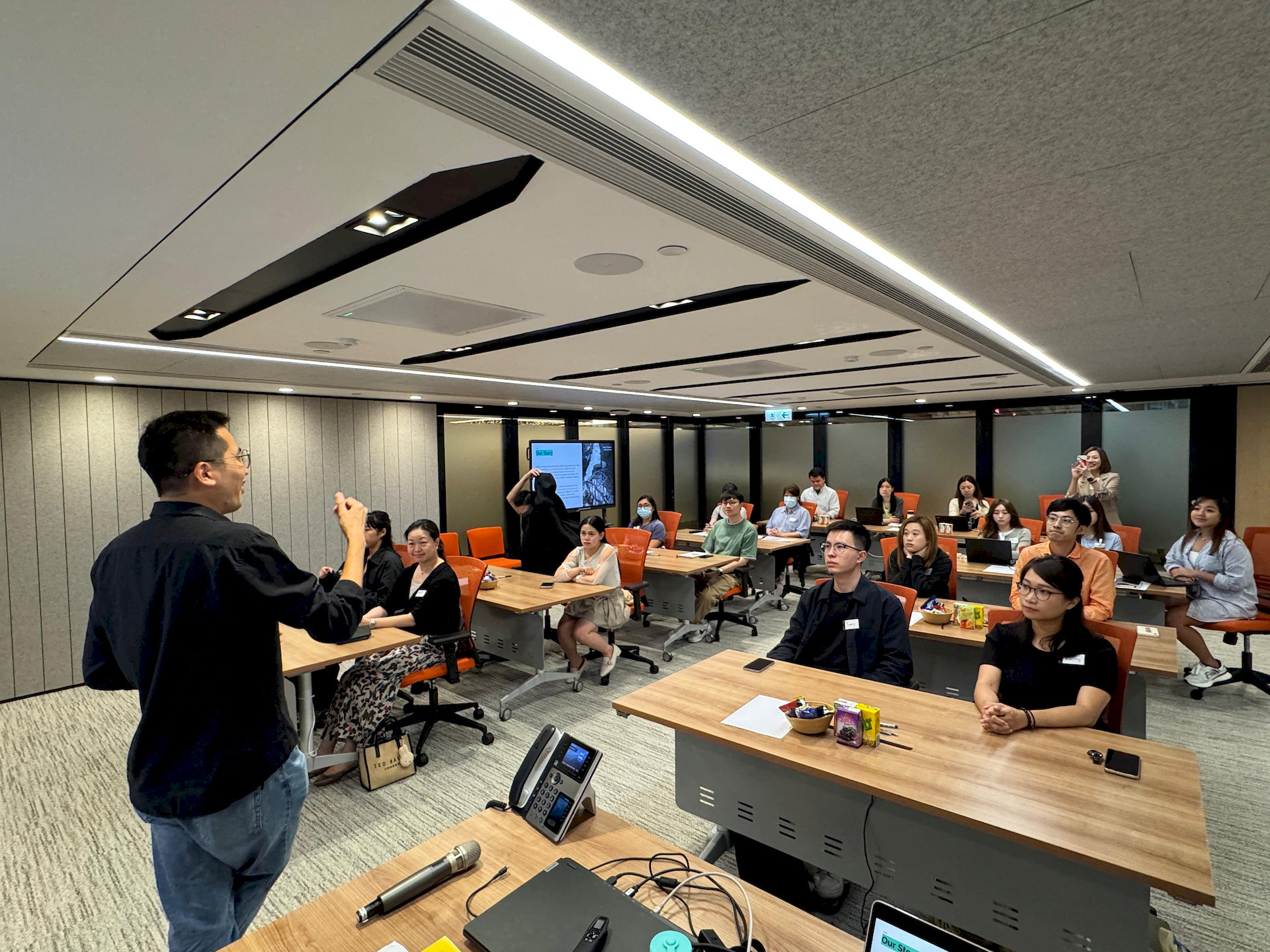
Lead with purpose. Experiential training that builds conscious communicators, socially aware leaders, and teams ready to create change.
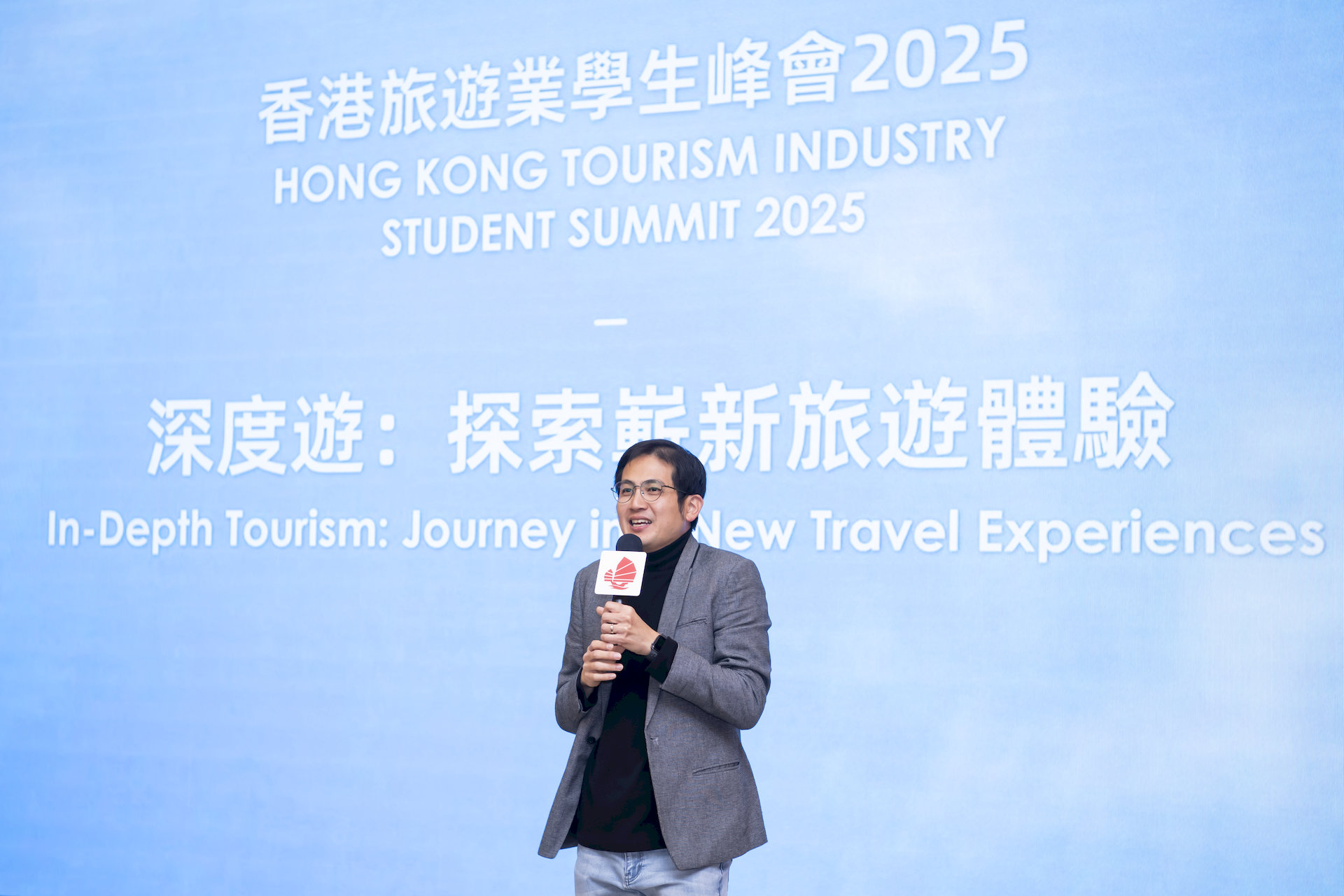
Stories that move people. Thought-provoking talks that bridge business, humanity, and the future we want to build together.
We also do custom tours. Have something specific in mind? You dream it, we create it. Get in touch.
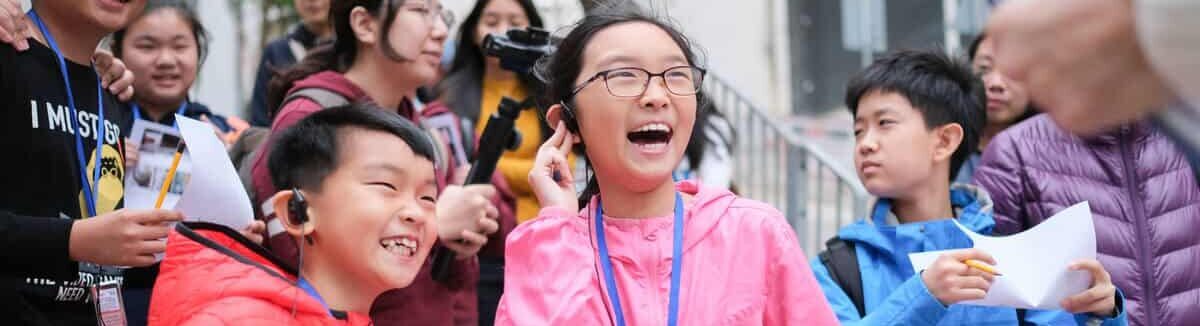
Learn how we support schools through experiential learning, fieldwork, and culturally grounded programmes.
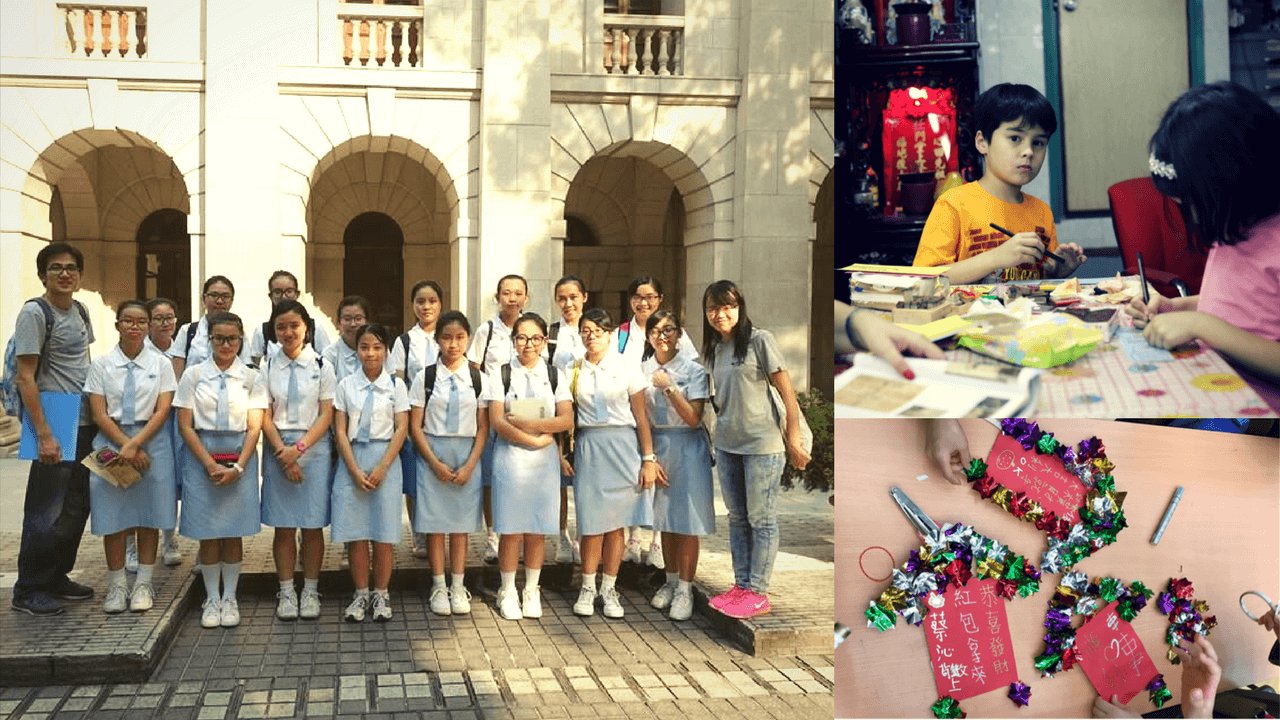
A showcase of student-centred projects bringing Hong Kong’s history and urban spaces to life.
Partner with us to create meaningful cultural experiences, education programmes, and community projects.
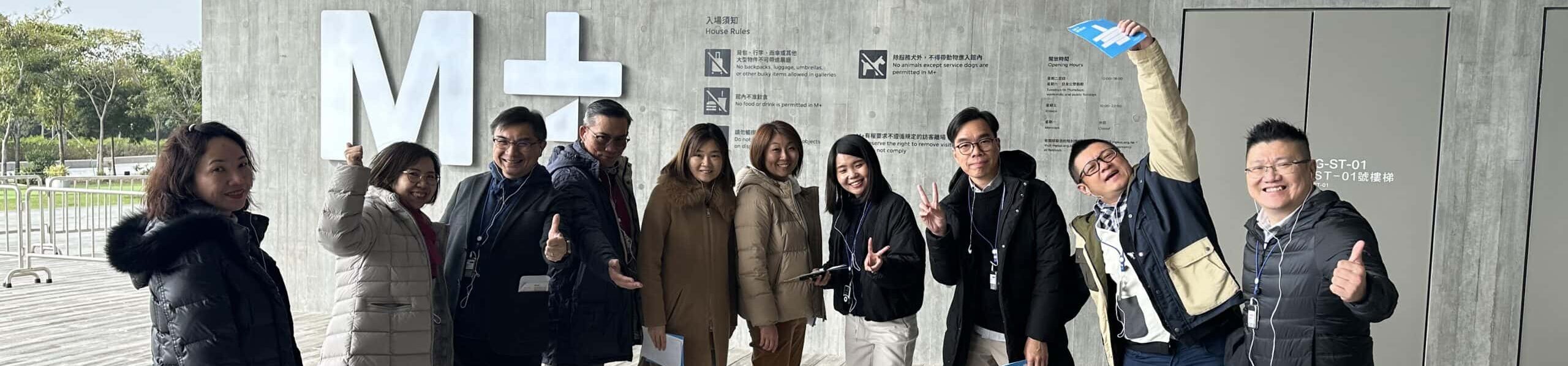
Elevate your brand, drive social impact, and transform teams with our story-driven corporate programs.
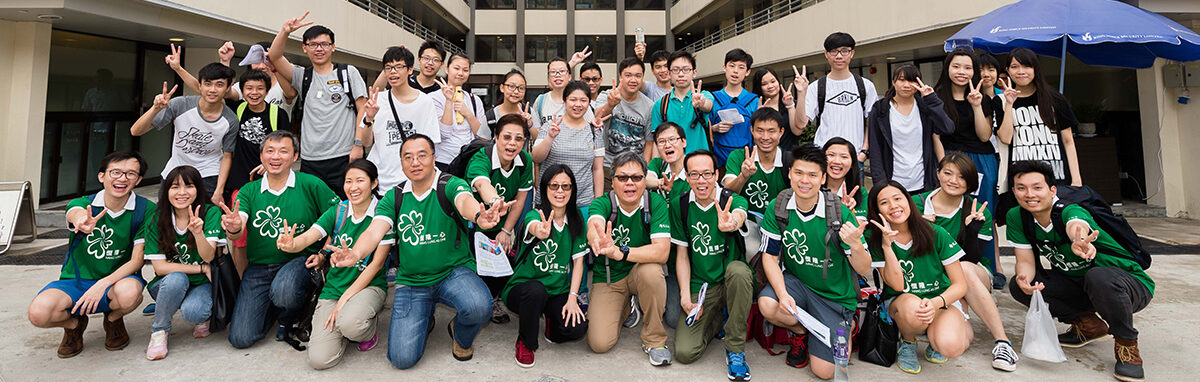
Case studies of bespoke corporate collaborations bringing Hong Kong’s stories to life through innovative programmes.
Partner with us to create meaningful cultural experiences, education programmes, and community projects.
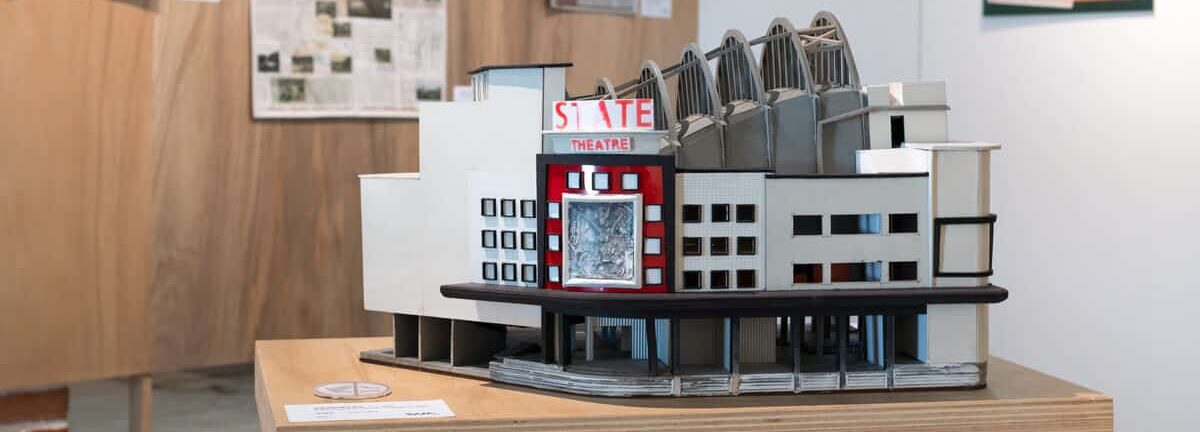
Projects rooted in local collaboration, public engagement, and community-led storytelling.
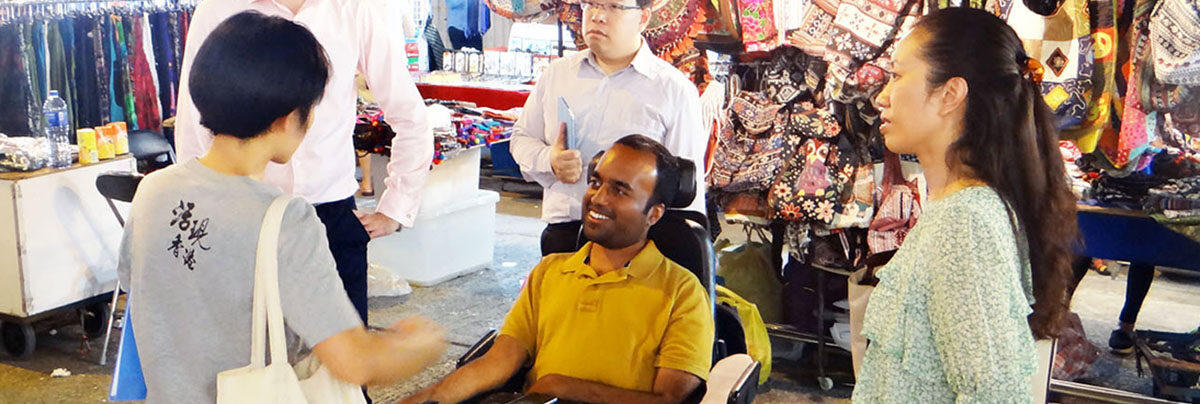
See how we collaborate with local partners through storytelling, place-making, and cultural participation.
Partner with us to create meaningful cultural experiences, education programmes, and community projects.
 繁
繁

Walk the streets where history whispers and everyday life unfolds. Uncover hidden stories behind familiar landmarks and forgotten corners.
Create, taste, listen, and learn: hands-on cultural encounters that invite you to experience Hong Kong with all your senses.
Sharpen your storytelling and communication skills through immersive, experience-led learning rooted in the city itself.
Stories that provoke thought, challenge assumptions, and deepen your understanding of Hong Kong’s layered identity.
We also do custom tours. Have something specific in mind? You dream it, we create it. Get in touch.
We turn Hong Kong into a living classroom, where syllabus meets streets, and theory meets lived reality.
Explore beyond the textbook. Explore Intangible Cultural Heritage (ICH), field study, and integrated tour-workshops designed for hands-on, active discovery.
Inquiry in action. Students interpret sources, debate perspectives, conduct their own interviews, and build their own narratives.
From knowledge to voice. We train students to communicate ideas with clarity, confidence, and purpose.
We also do custom tours. Have something specific in mind? You dream it, we create it. Get in touch.
Step beyond boardrooms. Our curated community journeys invite your team to see, listen, and engage with the social fabric of Hong Kong.
From awareness to action. Interactive workshops that spark empathy, strengthen dialogue, and turn shared values into collective impact.
Lead with purpose. Experiential training that builds conscious communicators, socially aware leaders, and teams ready to create change.
Stories that move people. Thought-provoking talks that bridge business, humanity, and the future we want to build together.
We also do custom tours. Have something specific in mind? You dream it, we create it. Get in touch.
Learn how we support schools through experiential learning, fieldwork, and culturally grounded programmes.
A showcase of student-centred projects bringing Hong Kong’s history and urban spaces to life.
Partner with us to create meaningful cultural experiences, education programmes, and community projects.
Elevate your brand, drive social impact, and transform teams with our story-driven corporate programs.
Case studies of bespoke corporate collaborations bringing Hong Kong’s stories to life through innovative programmes.
Partner with us to create meaningful cultural experiences, education programmes, and community projects.
Projects rooted in local collaboration, public engagement, and community-led storytelling.
See how we collaborate with local partners through storytelling, place-making, and cultural participation.
Partner with us to create meaningful cultural experiences, education programmes, and community projects.
Walk the streets where history whispers and everyday life unfolds. Uncover hidden stories behind familiar landmarks and forgotten corners.
Create, taste, listen, and learn: hands-on cultural encounters that invite you to experience Hong Kong with all your senses.
Sharpen your storytelling and communication skills through immersive, experience-led learning rooted in the city itself.
Stories that provoke thought, challenge assumptions, and deepen your understanding of Hong Kong’s layered identity.
We also do custom tours. Have something specific in mind? You dream it, we create it. Get in touch.
We turn Hong Kong into a living classroom, where syllabus meets streets, and theory meets lived reality.
Explore beyond the textbook. Explore Intangible Cultural Heritage (ICH), field study, and integrated tour-workshops designed for hands-on, active discovery.
Inquiry in action. Students interpret sources, debate perspectives, conduct their own interviews, and build their own narratives.
From knowledge to voice. We train students to communicate ideas with clarity, confidence, and purpose.
We also do custom tours. Have something specific in mind? You dream it, we create it. Get in touch.
Step beyond boardrooms. Our curated community journeys invite your team to see, listen, and engage with the social fabric of Hong Kong.
From awareness to action. Interactive workshops that spark empathy, strengthen dialogue, and turn shared values into collective impact.
Lead with purpose. Experiential training that builds conscious communicators, socially aware leaders, and teams ready to create change.
Stories that move people. Thought-provoking talks that bridge business, humanity, and the future we want to build together.
We also do custom tours. Have something specific in mind? You dream it, we create it. Get in touch.
Learn how we support schools through experiential learning, fieldwork, and culturally grounded programmes.
A showcase of student-centred projects bringing Hong Kong’s history and urban spaces to life.
Partner with us to create meaningful cultural experiences, education programmes, and community projects.
Elevate your brand, drive social impact, and transform teams with our story-driven corporate programs.
Case studies of bespoke corporate collaborations bringing Hong Kong’s stories to life through innovative programmes.
Partner with us to create meaningful cultural experiences, education programmes, and community projects.
Projects rooted in local collaboration, public engagement, and community-led storytelling.
See how we collaborate with local partners through storytelling, place-making, and cultural participation.
Partner with us to create meaningful cultural experiences, education programmes, and community projects.

Step into the business world of Central and understand Hong Kong's financial lifeline
 Central
 2 hours
Explore how Hong Kong transformed from a small fishing port to an international financial center by visiting key business landmarks in Central, learning about the rise and fall of local and foreign companies, and understanding Hong Kong’s financial history.
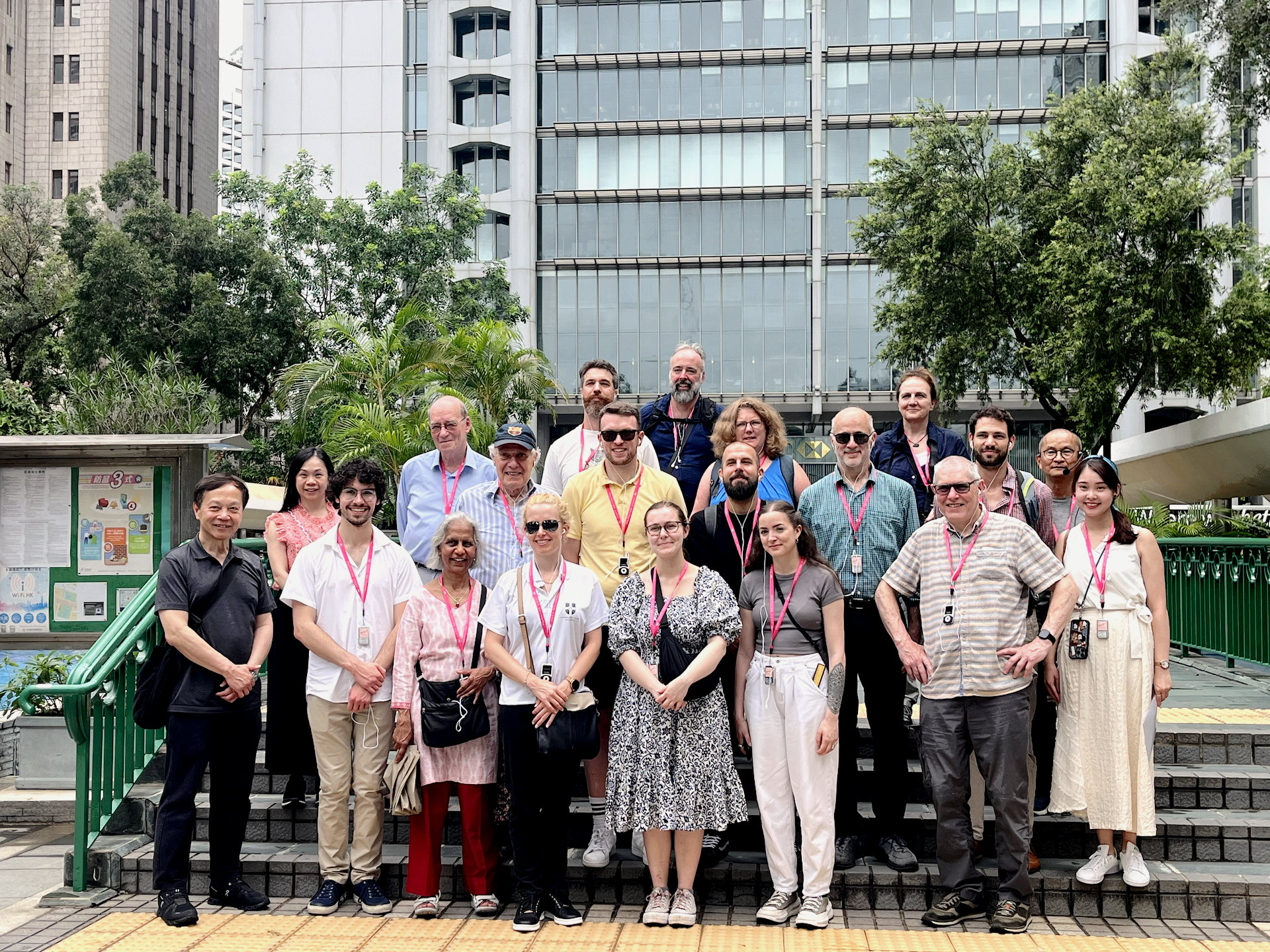
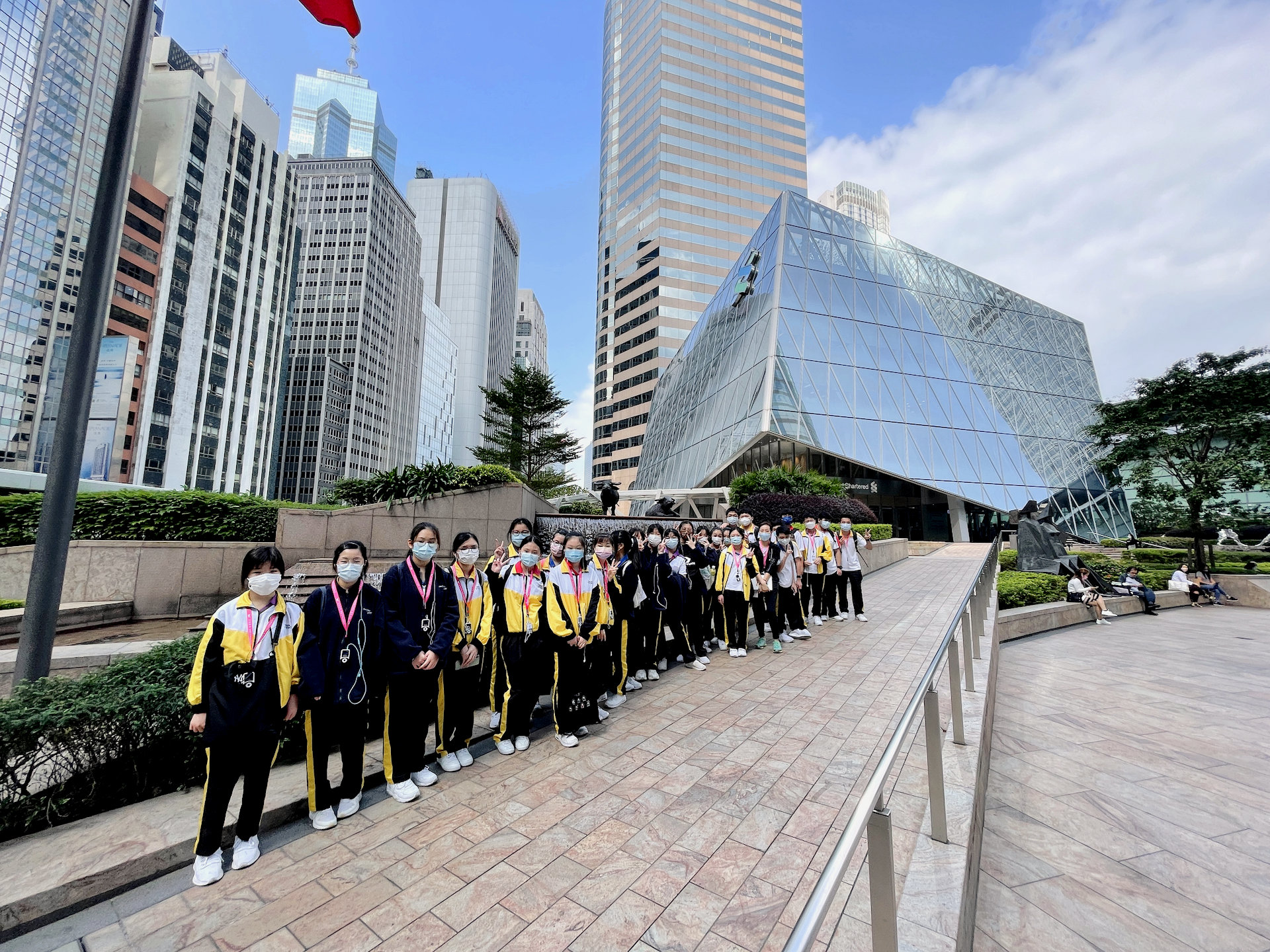




Hong Kong’s transformation from a fishing port into a global financial hub is a story that is as complex as it is fascinating. A look at the rise and fall of British, Hong Kong, and mainland Chinese companies, as well as Hong Kong’s powerful property developers, will show how cut-throat the world of business and finance in Hong Kong is.
On this walking tour in Central, we’ll visit some of the key landmarks of wealth in this city, as well as some lesser-known cogs of the money machine, and explain the colorful stories that make Hong Kong the international centre of finance that it is today.
Some of the points of interest include:
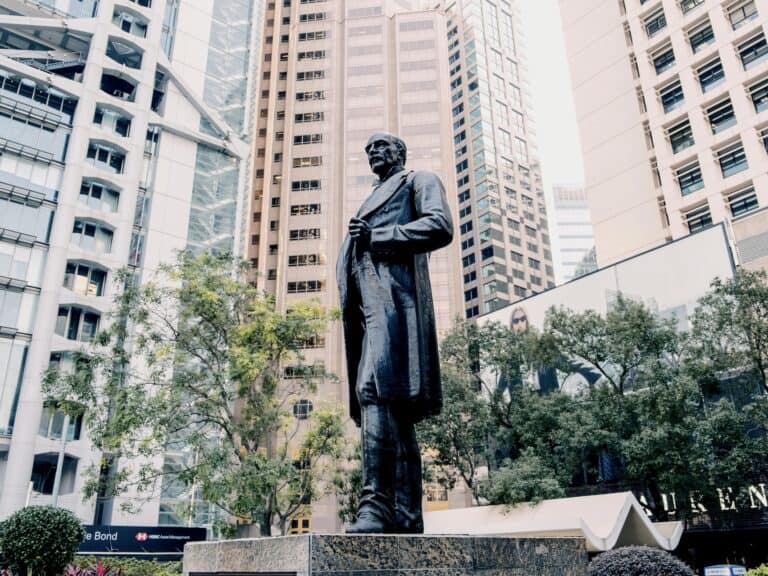
Statue Square
The public pedestrian square in Central built entirely on reclaimed land at the end of the 19th century.
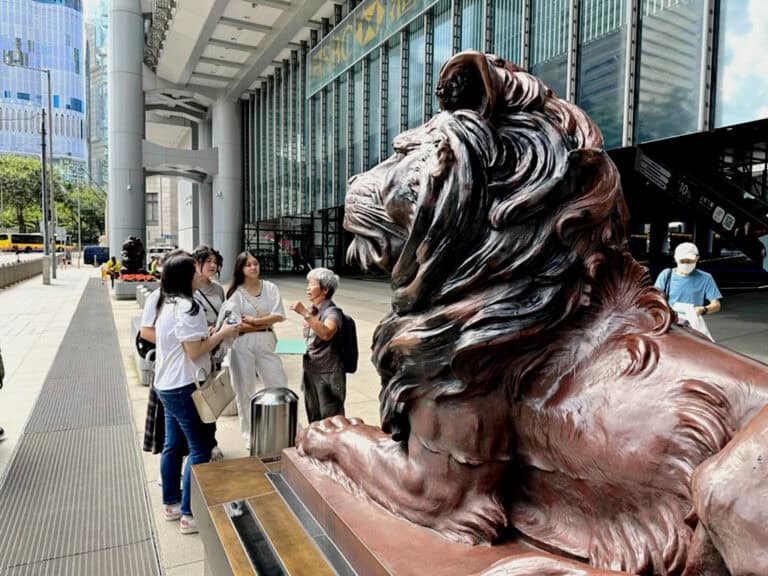
HSBC Main Building
Founded in 1865, it is one of the three commercial banks licensed by the Hong Kong Monetary Authority to issue banknotes for the Hong Kong dollar.
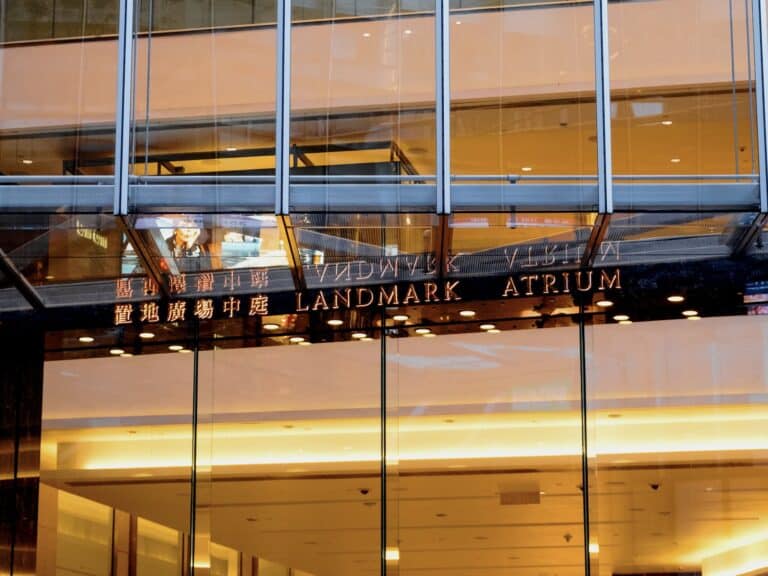
The Landmark
Explore what role British merchant house plays in our lives nowadays.
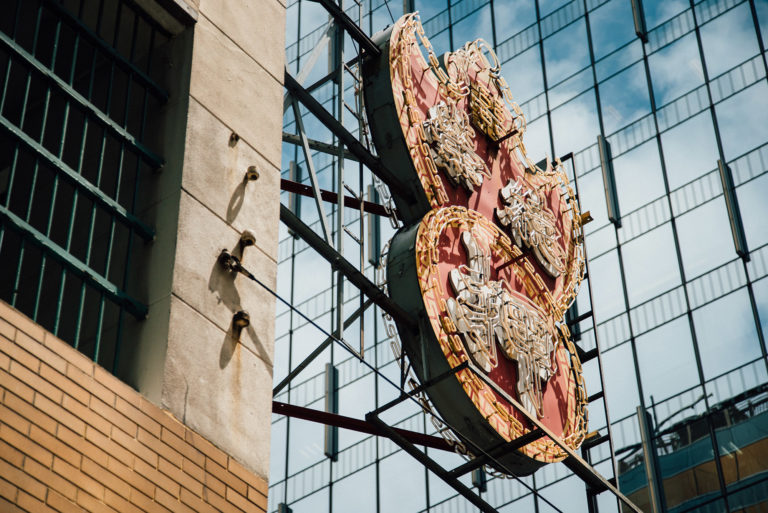
Tak Wing Pawn Shop
Pawnbroker's trade is a rare emblem of stability in the fast pace city of Hong Kong.

Hang Seng Bank Head Office
A Hong Kong based bank which established the Hang Seng Index as a public service in 1969 and this stock market index is now the primary indicator of the Hong Kong stock market.
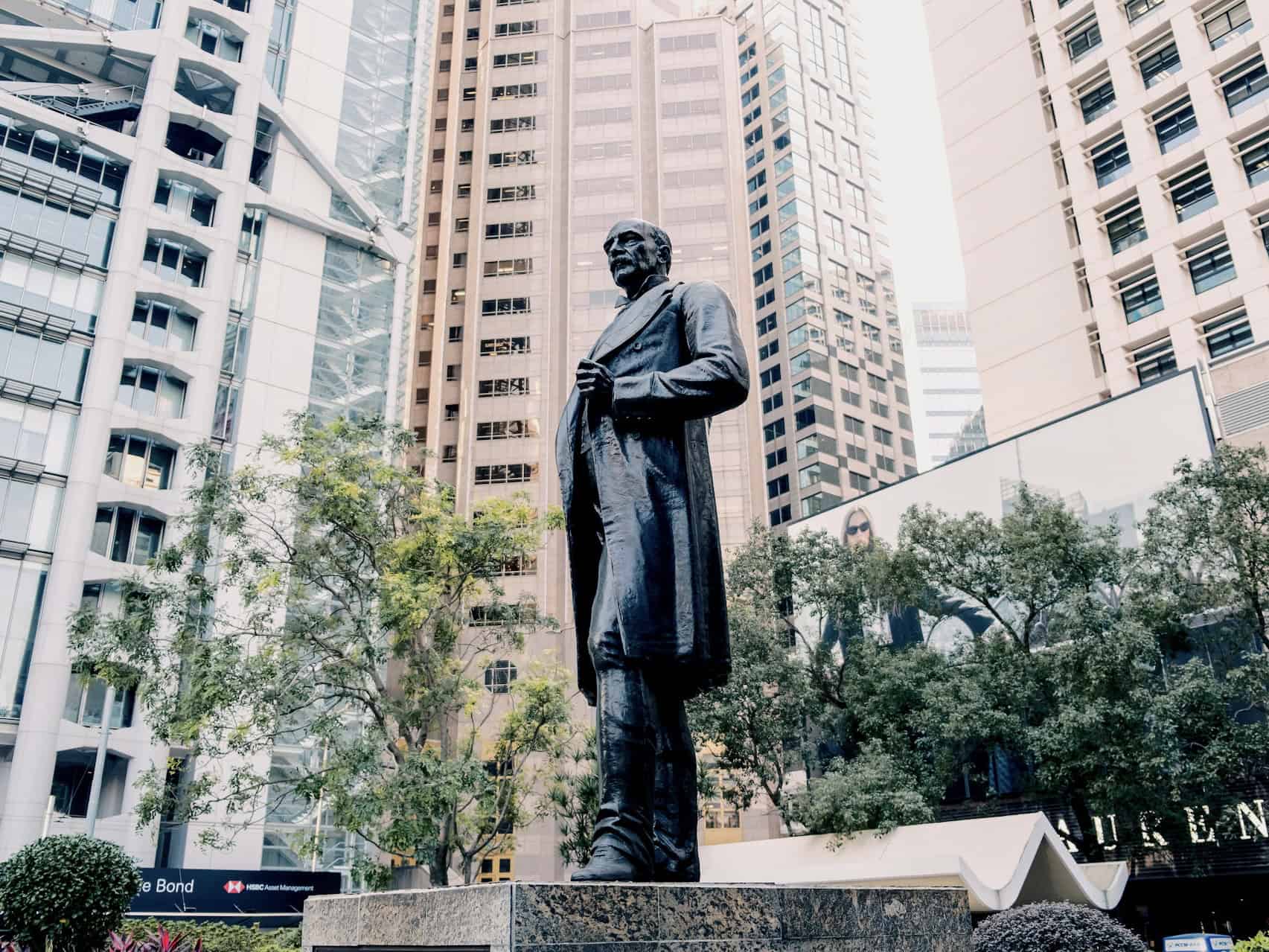
The public pedestrian square in Central built entirely on reclaimed land at the end of the 19th century.

Founded in 1865, it is one of the three commercial banks licensed by the Hong Kong Monetary Authority to issue banknotes for the Hong Kong dollar.
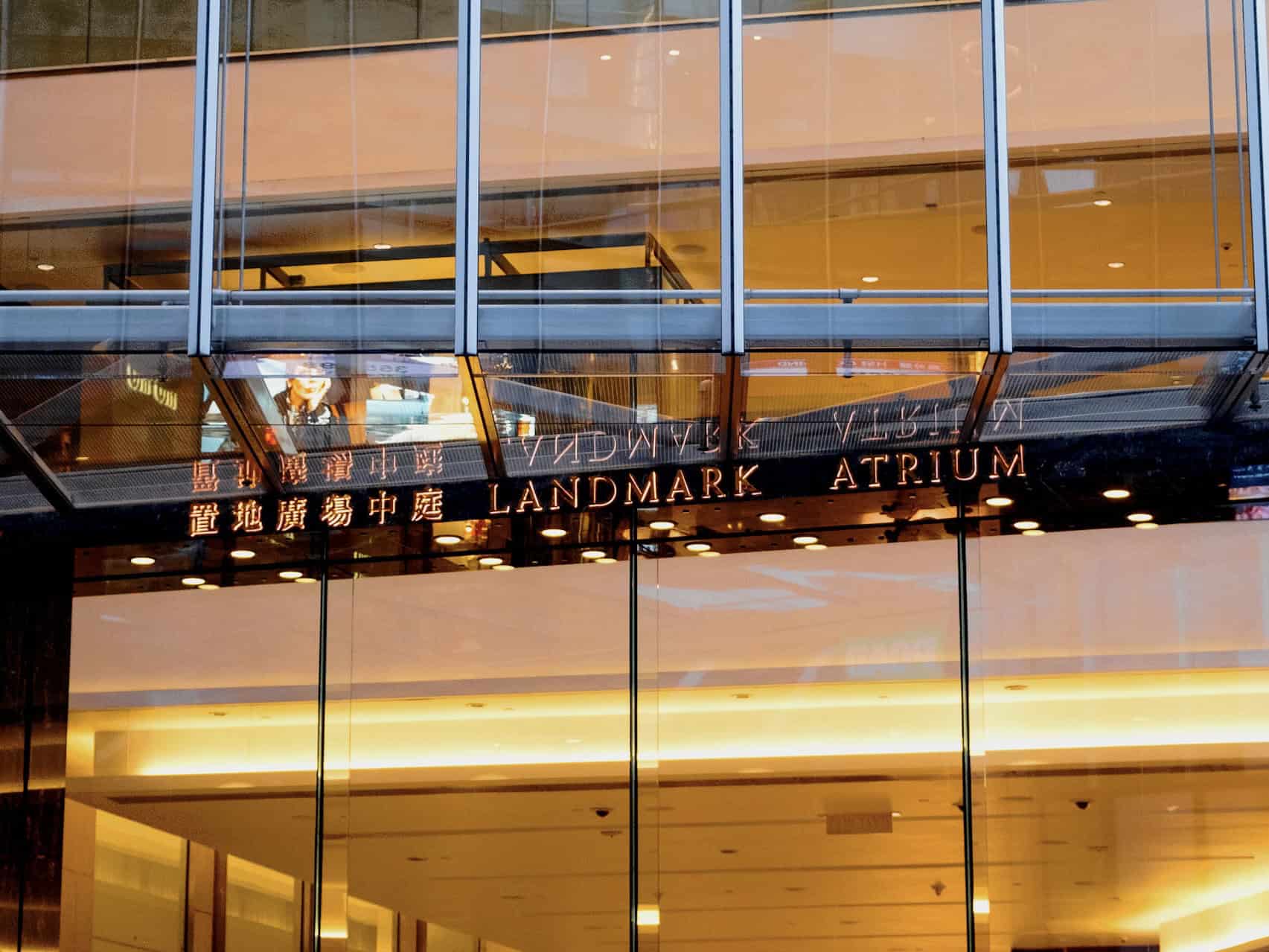
Explore what role British merchant house plays in our lives nowadays.
Pawnbroker's trade is a rare emblem of stability in the fast pace city of Hong Kong.
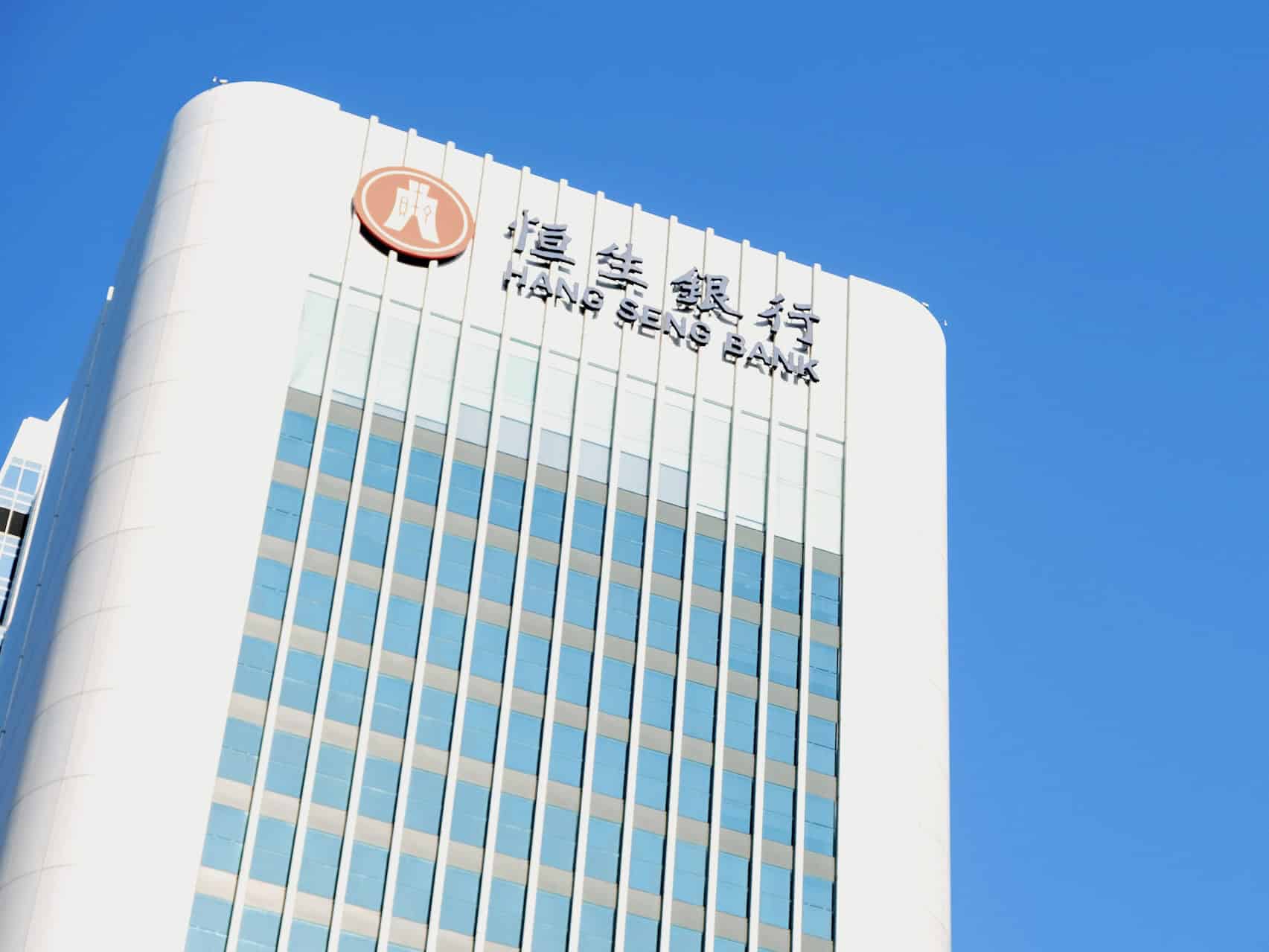
A Hong Kong based bank which established the Hang Seng Index as a public service in 1969 and this stock market index is now the primary indicator of the Hong Kong stock market.
History
Chinese History
Citizenship, Economics and Society (Secondary 1 and 2)
Citizenship and Social Development
Economics




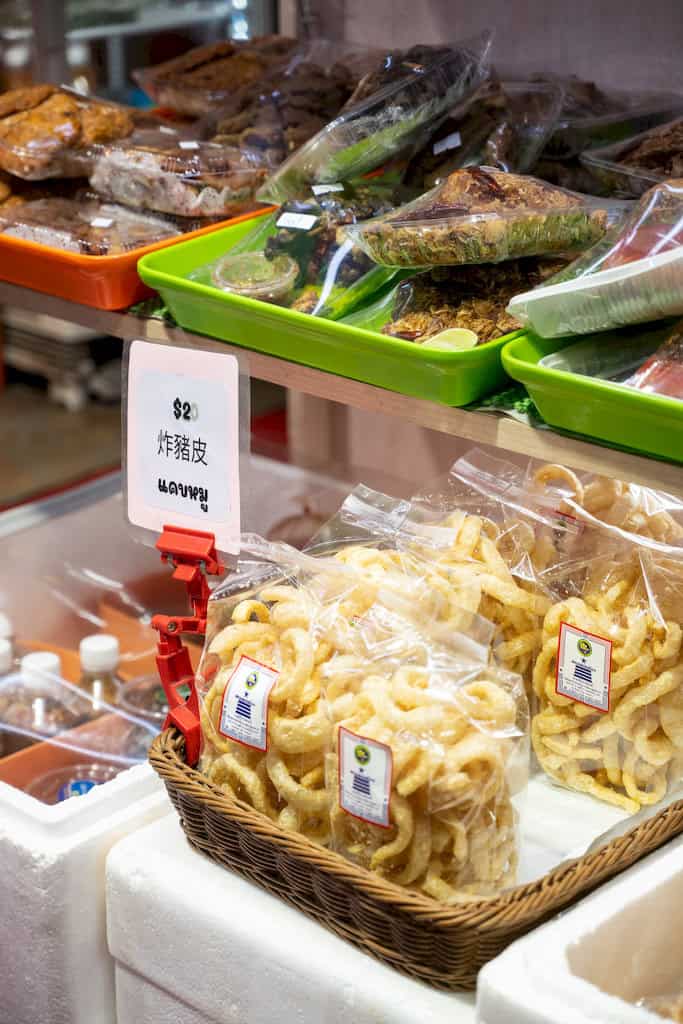
Explore Kowloon City through its rich food culture and uncover the stories behind its transformation from the Walled City to today’s vibrant neighbourhood.
Kowloon City
2 hours
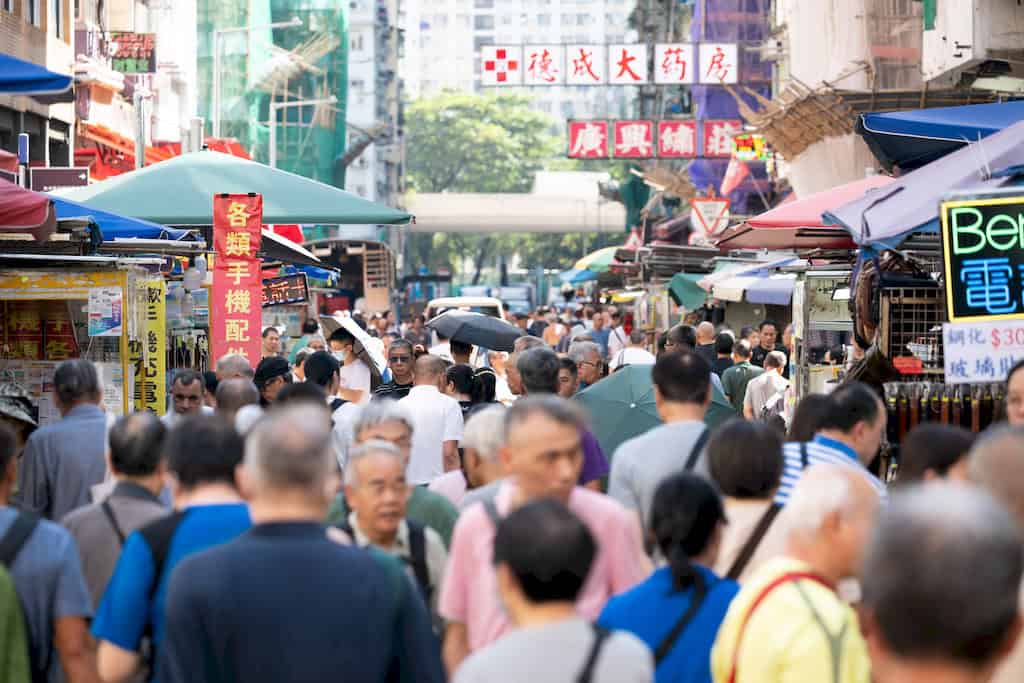
Let's explore the grassroots' daily life and understand diversified and various Sham Shui Po.
Sham Shui Po
2 hours
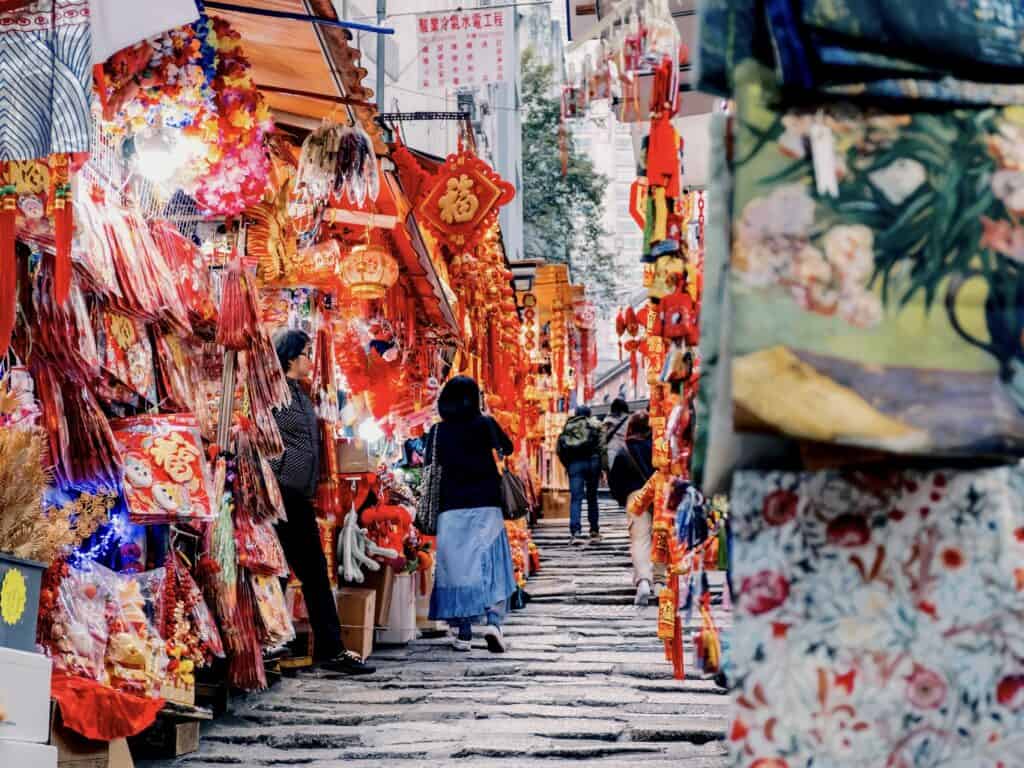
Travel through Central and Sheung Wan to learn about Hong Kong's history and architecture
Central and Sheung Wan
2 hours
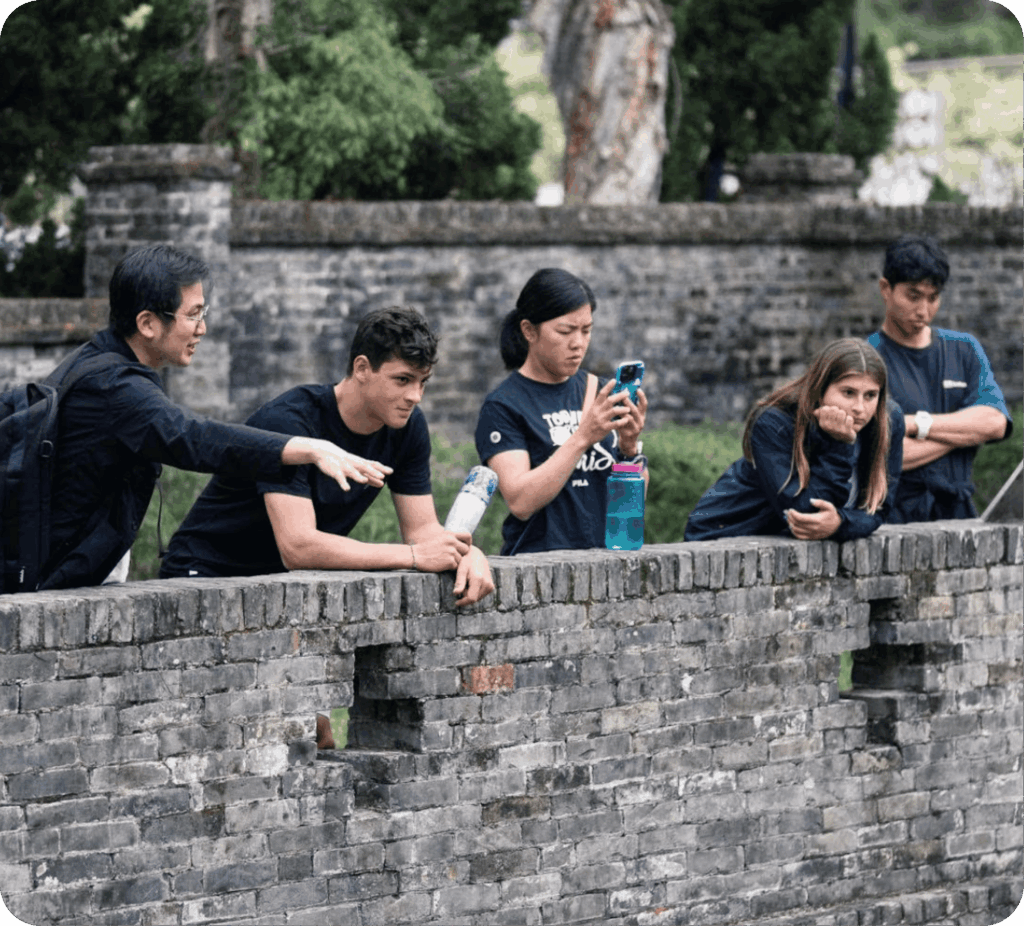
Learn more about the prosperity and the story of the demolition of the once-existing Chaos.
Kowloon City
2 hours
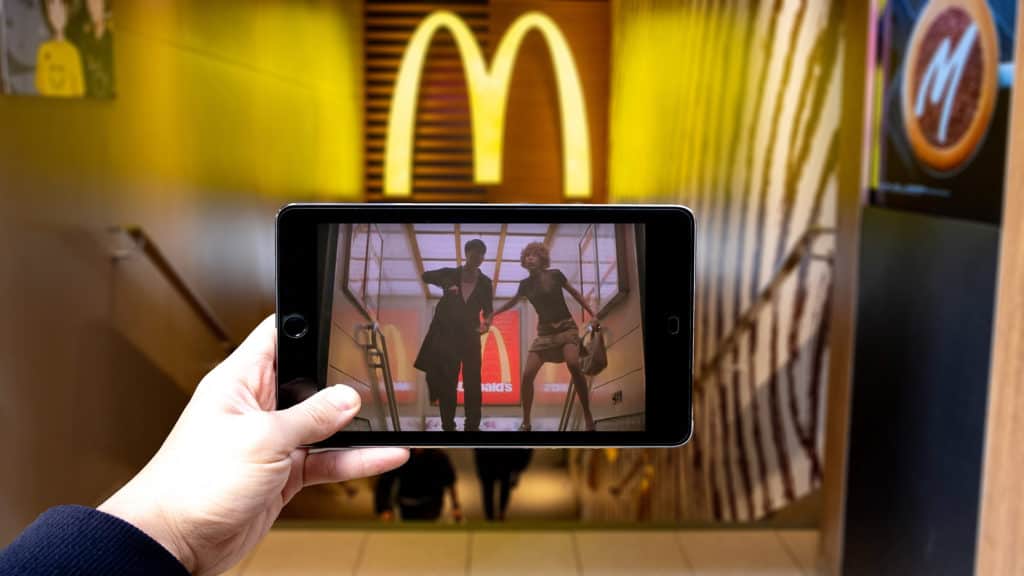
Discover Hong Kong’s cinematic heritage, from Tsim Sha Tsui’s bustling streets to hidden film landmarks, and experience the magic of light and shadow shaping the city’s identity.
Tsim Sha Tsui
2 hours
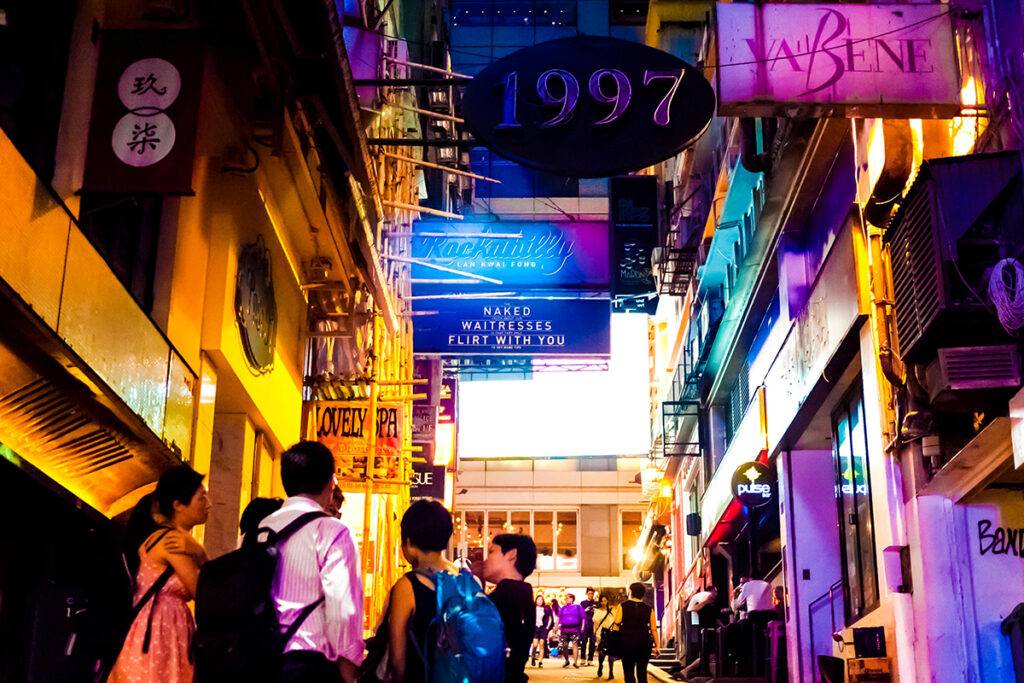
Understand Hong Kong's multi-gender culture and listen to LGBT stories
Central and Sheung Wan
2 hours
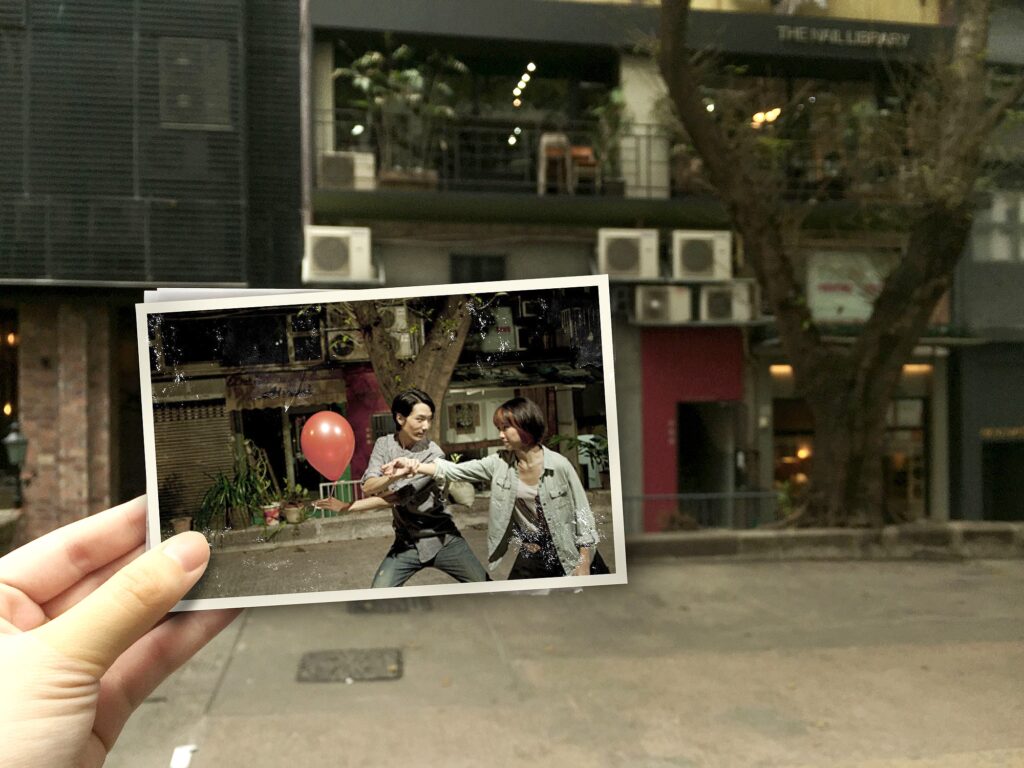
Explore Hong Kong's pop culture through the lens of light and shadow
Sheung Wan
2 hours